After more than three decades in federal prison, West reflects on how education, mentorship and perseverance helped her find purpose behind bars and imagine a future beyond them.
“Freedom begins with a book.”
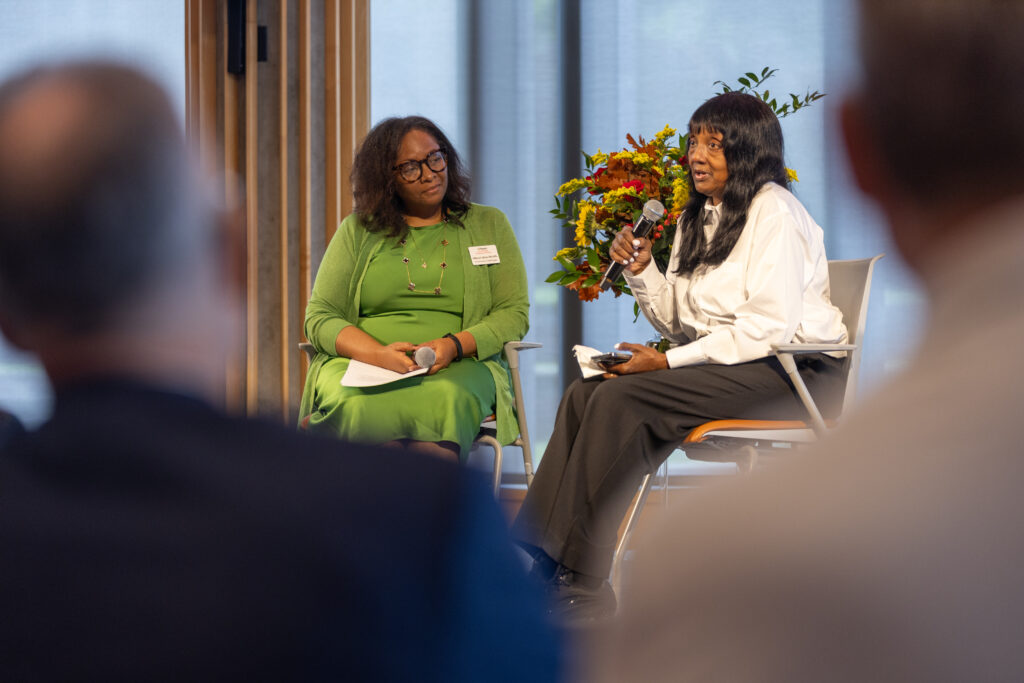
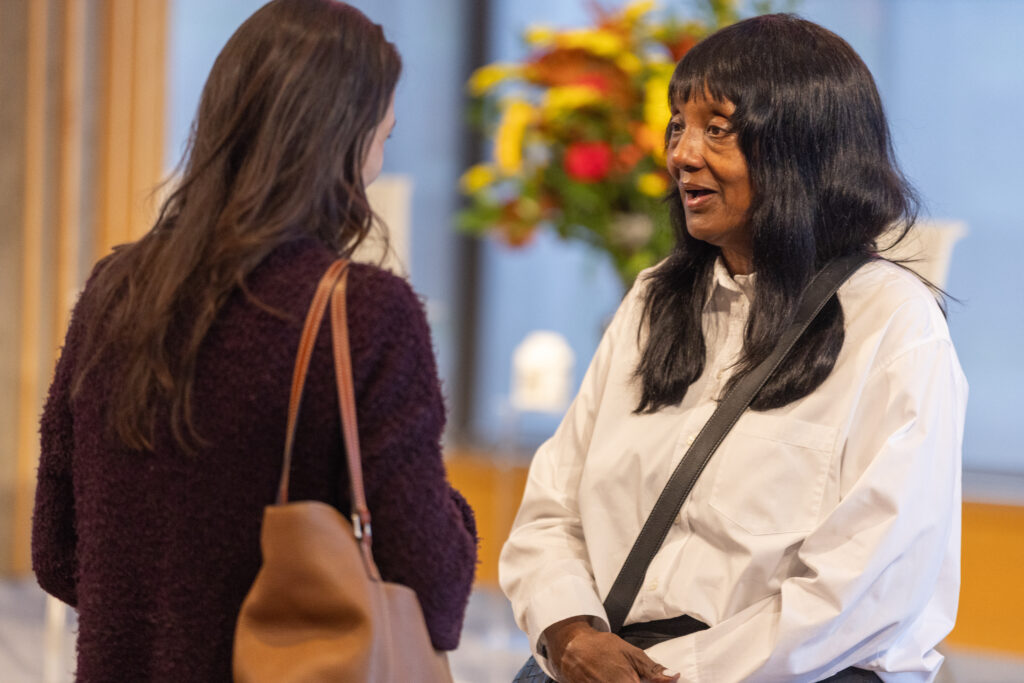
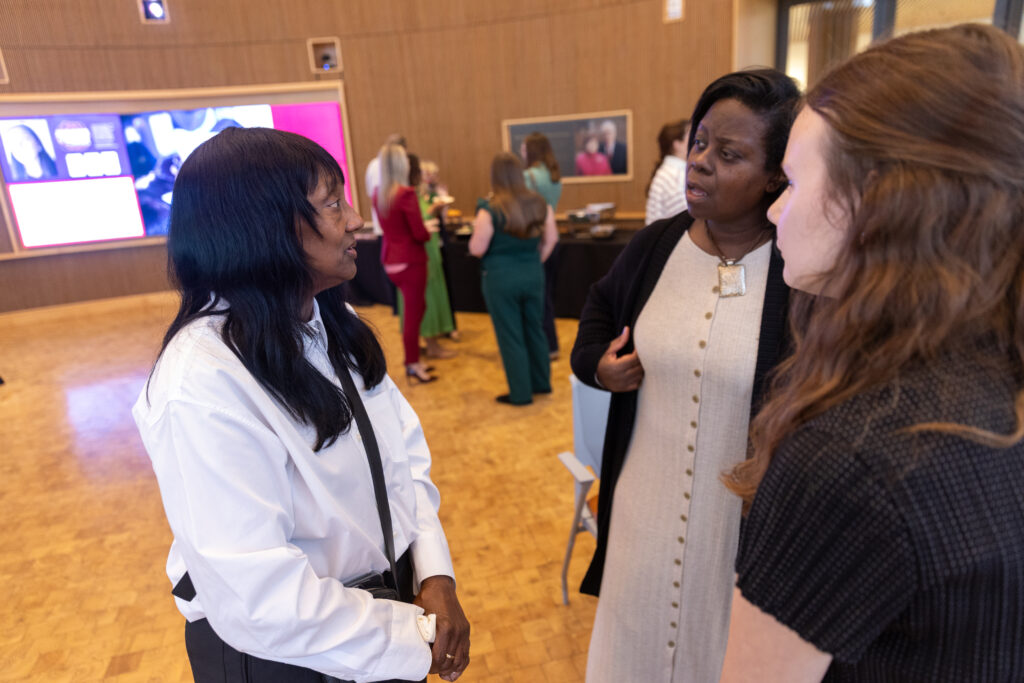
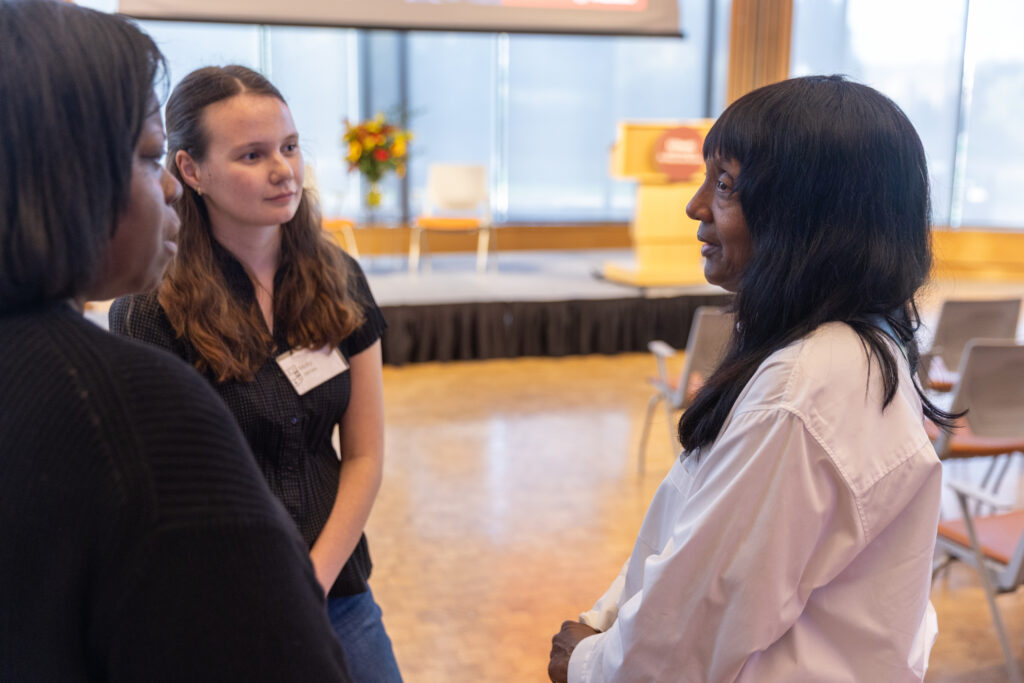
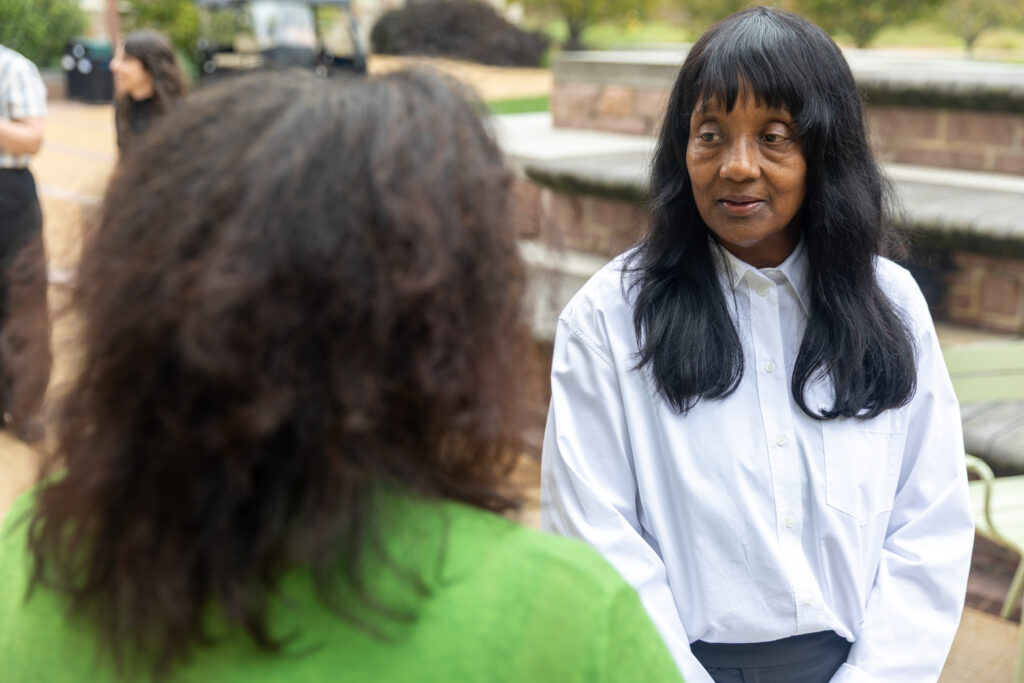
That was the message Michelle West brought to the annual WashU Continuing & Professional Studies (CAPS) Prison Education Project (PEP) Maggie Garb Memorial Lecture, where she shared how education, perseverance and a love of reading helped her find purpose during more than three decades in federal prison.
Sentenced to two life terms plus 50 years, West continued her education, mentored younger incarcerated women and maintained a close relationship with her daughter, who eventually helped lead an international campaign advocating for her release. President Joe Biden commuted West’s sentence in January 2025, and she was released the following month.
For West, books offered more than an escape from the realities of prison life. They provided a way to continue growing, discover new perspectives and maintain a sense of possibility even when her circumstances offered little reason for hope.
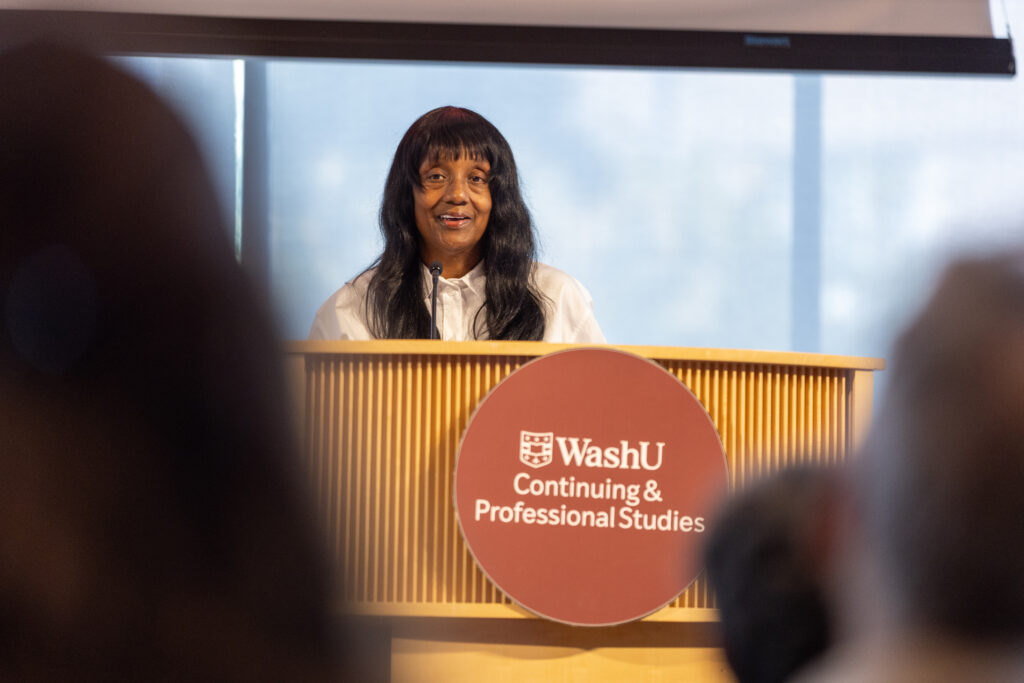
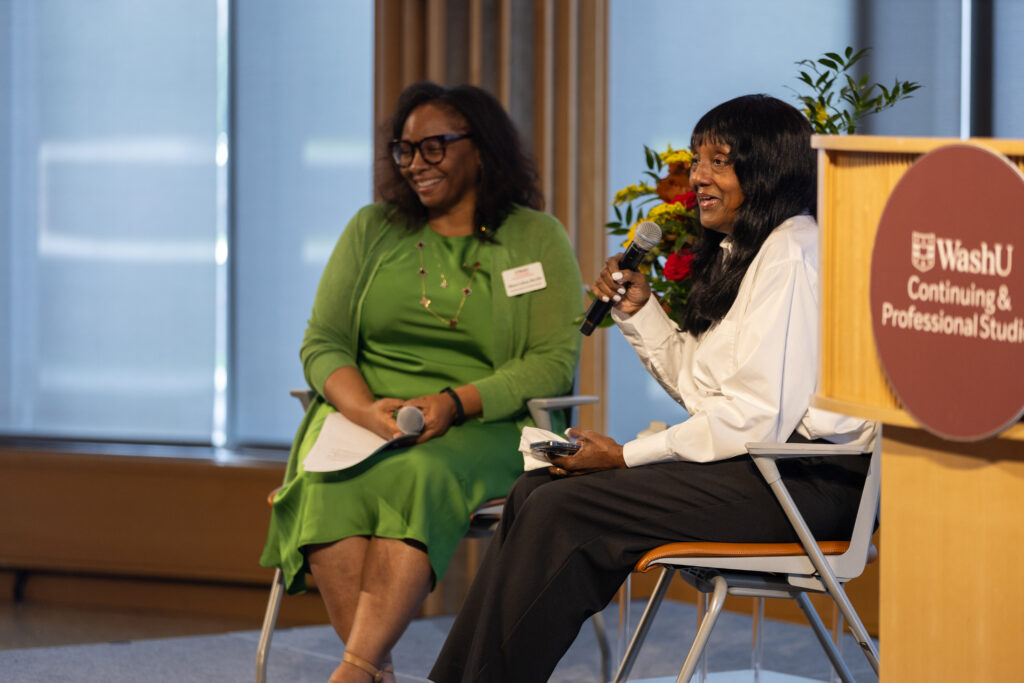
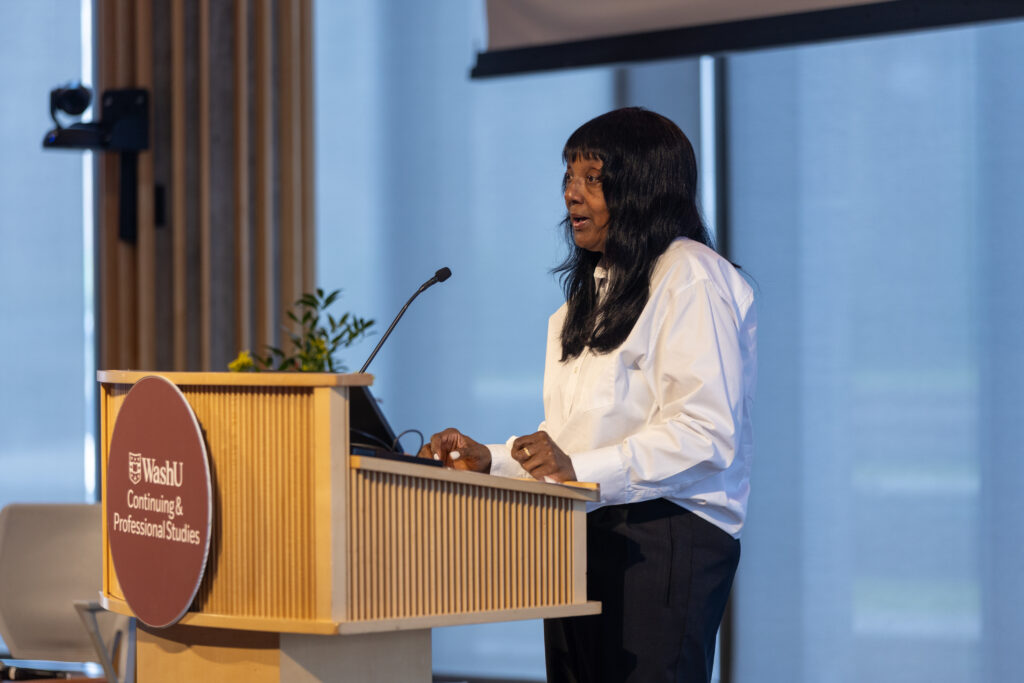
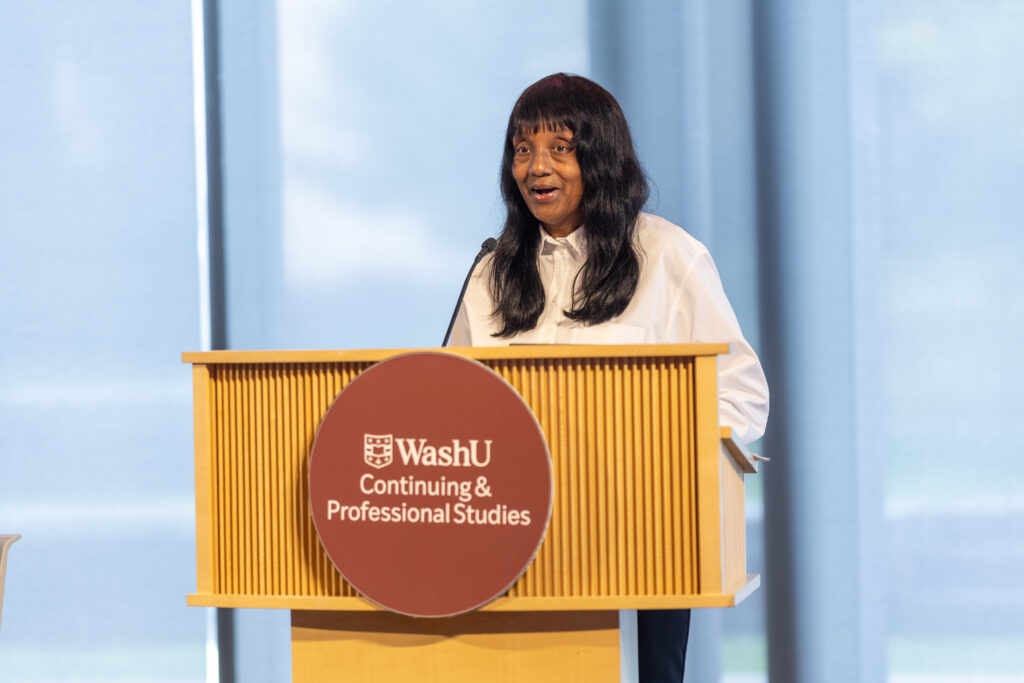
“Incarceration may restrict a person’s freedom, but it should never define the limits of their mind and their future,” West said.
Finding freedom through learning
West’s relationship with books began early. She learned to read at age three, encouraged by a father who emphasized the importance of education. Decades later, that love of reading became an essential source of strength.
Books allowed her to move beyond the limitations of her surroundings, even when she could not physically leave them.
One book in particular changed how she approached incarceration: Man’s Search for Meaning by psychiatrist and Holocaust survivor Viktor Frankl.
Frankl’s reflections on finding purpose amid suffering prompted West to consider how she could create meaning within her own circumstances.
“I had to find my purpose,” she said. “And my purpose was mentoring the youth.”
Without a formal mentoring program available to her, West created one herself. She dedicated time on weekends to working individually with younger incarcerated women, encouraging them to pursue their education, recognize their abilities and consider possibilities for their futures.
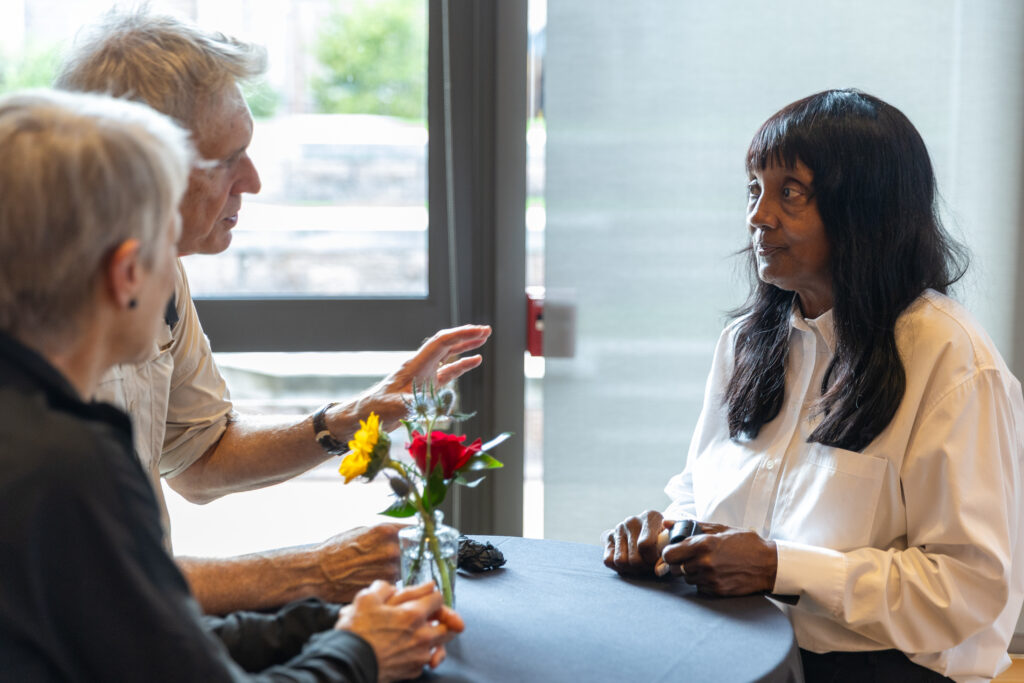
Some of those relationships have continued since her release.
“Education can become a powerful source of hope,” West said. “It gives people an opportunity to challenge themselves, discover their abilities, and see possibilities beyond their circumstances.”
West pursued her own education while incarcerated, completing college coursework through Marist College and earning a certificate in business management. She accumulated 57 college credits but was unable to complete her degree as changes in funding, transfers between facilities and restrictions during the COVID-19 pandemic interrupted her studies.
Those experiences reinforced her belief that education offers something more lasting than a credential.
“Education behind bars is about more than earning a degree or obtaining a certificate,” she said. “It’s about personal growth, dignity, and the opportunity to return to society with greater knowledge, purpose, and direction.”
Continuing Maggie Garb’s legacy
West’s message reflected the values at the heart of the lecture series, established in memory of Margaret “Maggie” Garb, a WashU historian and educator who helped create the Prison Education Project.
In opening remarks, Kilinyaa Cothran, vice dean of WashU CAPS, described Garb’s commitment to justice, equality and extending the resources of the university beyond the traditional classroom.
“When Maggie spoke about prison education, she talked about having skills as a college professor that could be used in places where those skills were needed,” Cothran said.
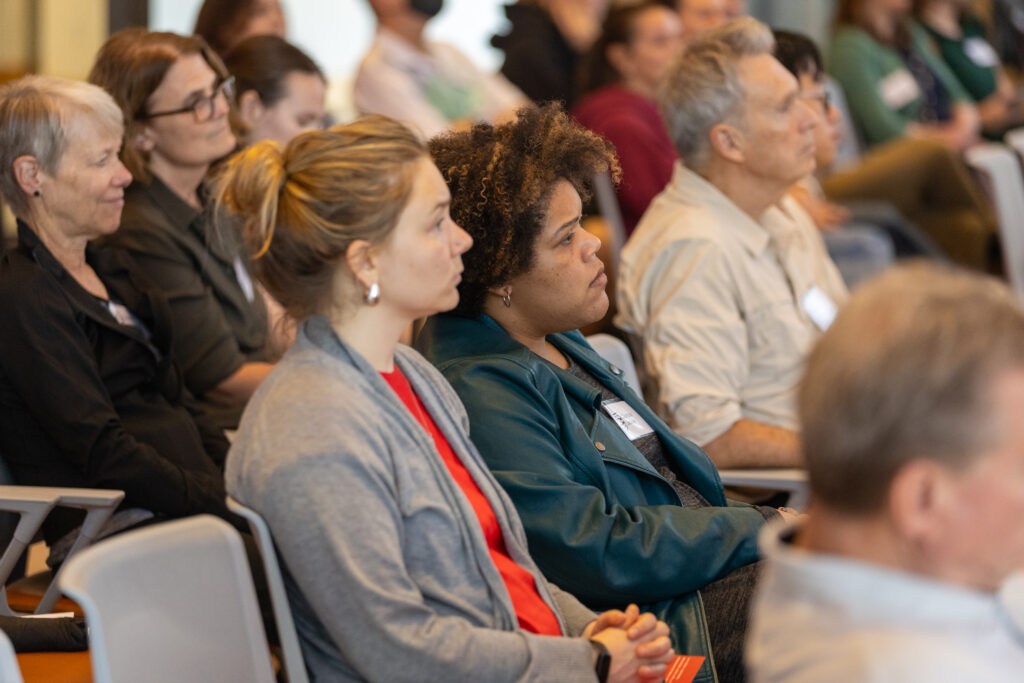
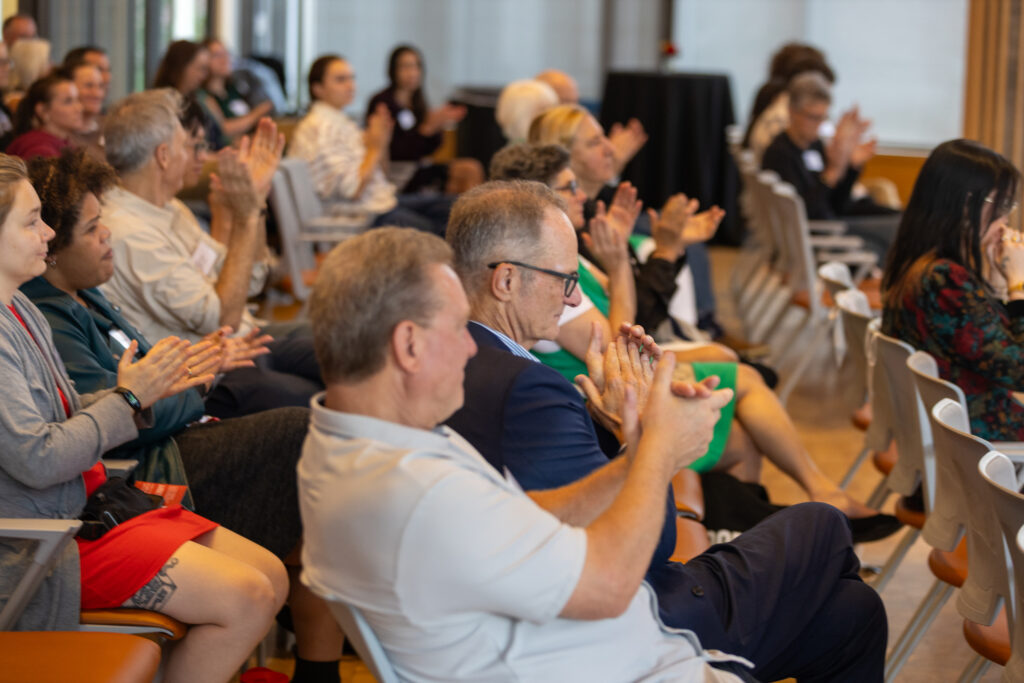
That belief helped shape PEP, which began offering courses at the Missouri Eastern Correctional Center in Pacific in 2014. The program grew rapidly, offering 17 courses during the 2018–19 academic year and preparing for its first graduation.
“Maggie did not live to see that first graduation,” Cothran said. “She died in December 2018 after living with cancer for many years. But the program she worked so hard to create continued.”
“Continuing Maggie’s work does not mean keeping PEP exactly as it was,” she added. “It means protecting the values at its foundation while continuing to ask where the program can go next, whom it can serve, and what education can make possible.”
The annual lecture brings together scholarship and lived experience to examine questions surrounding education, incarceration and the criminal legal system.
Bringing the conversation inside prison walls
West’s visit extended beyond the public lecture.
Earlier that day, she spoke with PEP students at the Missouri Eastern Correctional Center (MECC) in Pacific, sharing her experiences and discussing the role education played throughout her incarceration.
Marshall Funkhouser, a CAPS PEP student at MECC shared, “Ms. West put into words the collective trauma we, as incarcerated individuals, are subjected to. We will face hardships in society, but if we can be anything like Ms. West, we will come out of our time in prison stronger and more focused than before.”
Jacob Kalawaia, another CAPS PEP student at MECC, was particularly impacted by West’s relationship with her daughter.

“I was so intrigued by how focused she said that she was on her daughter during her incarceration, because I too have a little girl and can sympathize with that feeling of love and the willingness to sacrifice anything in order for our children to be successful and find happiness,” he said.
West also visited students at the Women’s Eastern Reception, Diagnostic and Correctional Center in Vandalia the following day.
“Listening to Michelle West speak was like listening to a recording of my mind,” said WERDCC CAPS PEP student Vermonn Roberts. “Because Michelle did it, I know it is possible for me to continue living free on the inside until the day I can walk free on the outside.”
Sean Armstrong, Dean of WashU Continuing & Professional Studies notes, “The Maggie Garb Lecture Series serves as a powerful testament to the values Professor Garb championed—rigorous scholarship, deep community connection, and a commitment to equity. Michelle West’s presentation exemplifies those values, inspiring our students and faculty to engage deeply with the pressing issues facing our cities today.”
Looking beyond incarceration
West’s journey toward release was shaped in part by her daughter, who helped launch the #FreeMichelleWest campaign. The effort gained broader attention following West’s appearance in Humans of New York and contributed to an international network of people advocating on her behalf.
President Joe Biden commuted her sentence on January 19, 2025. She walked out of federal prison on February 18, 2025, after serving more than three decades.
“Michelle’s work reminds us that history is not just about the past,” stated Dean Armstrong, “It is a vital tool for understanding our present and shaping a more just future. Her insights during the Maggie Garb Lecture highlight the profound impact of community-engaged scholarship and the enduring relevance of urban history.”
But West emphasized that release does not automatically eliminate the barriers faced by people who have been incarcerated.
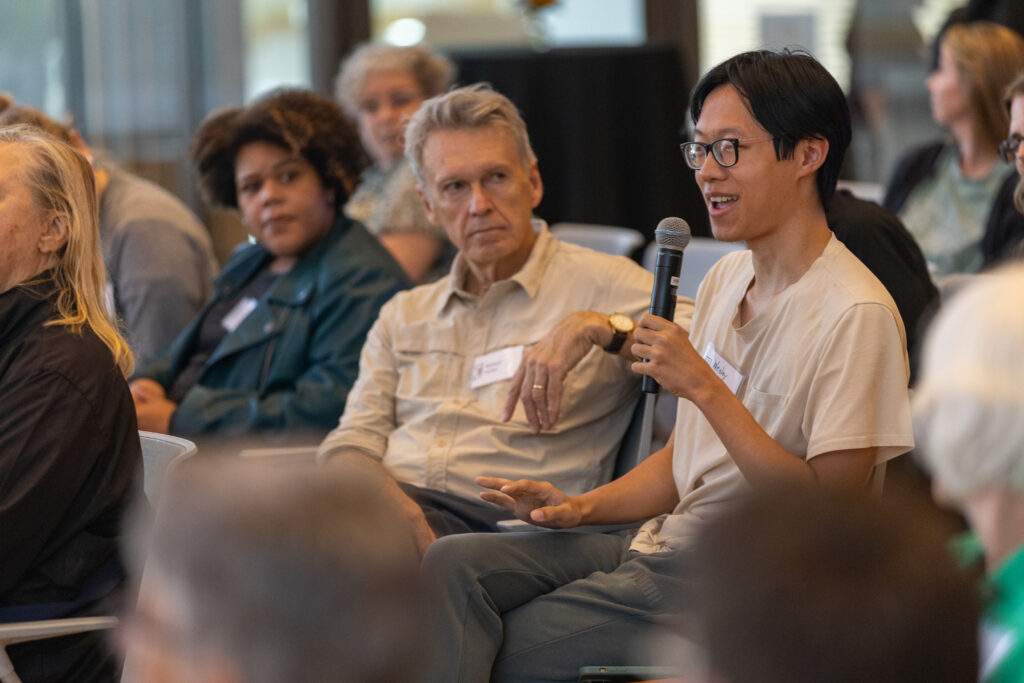
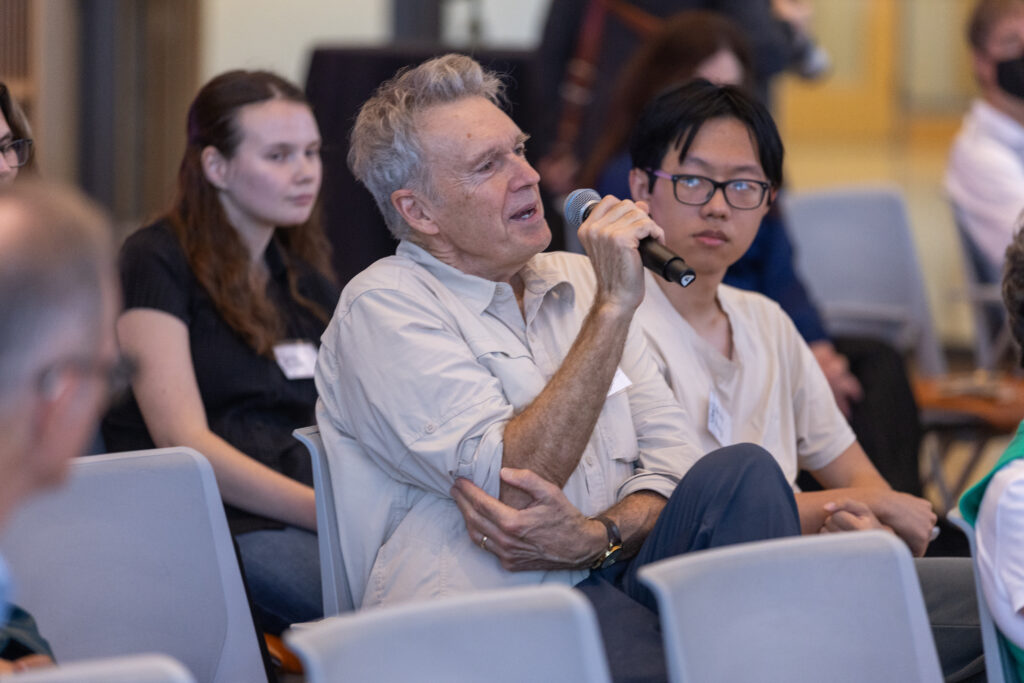
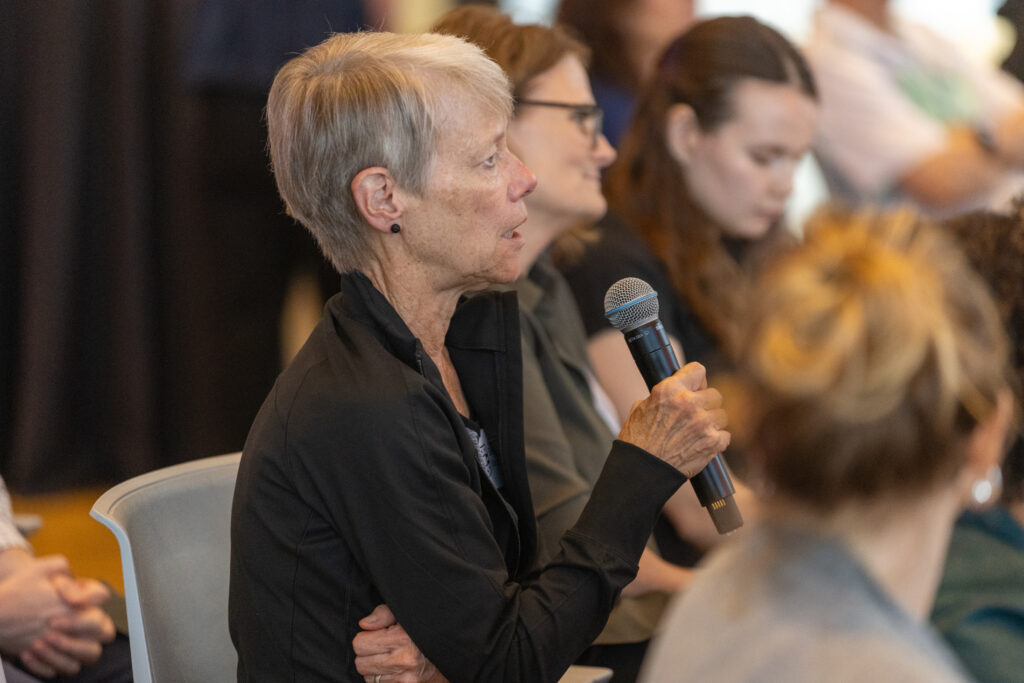
During a question-and-answer session, West spoke about the challenges women encounter when returning home, particularly limited support systems, financial insecurity and the difficulty of rebuilding their lives.
She challenged the audience to think about what rehabilitation and second chances require beyond prison walls.
“What does freedom mean if a person comes home and is still denied opportunities to learn, work, contribute, and build their life?” she asked.
For West, the answer begins with recognizing the potential of people whose lives have been shaped by incarceration and ensuring they have meaningful opportunities to move forward.
“A person’s worst decision should not automatically become the final definition of their life,” she said. “We can hold people accountable while still believing in their capacity for growth, redemption, and transformation.”
“Education is not just about preparing people for the world,” West said. “Sometimes, it’s about helping people believe they still have a place in it.”