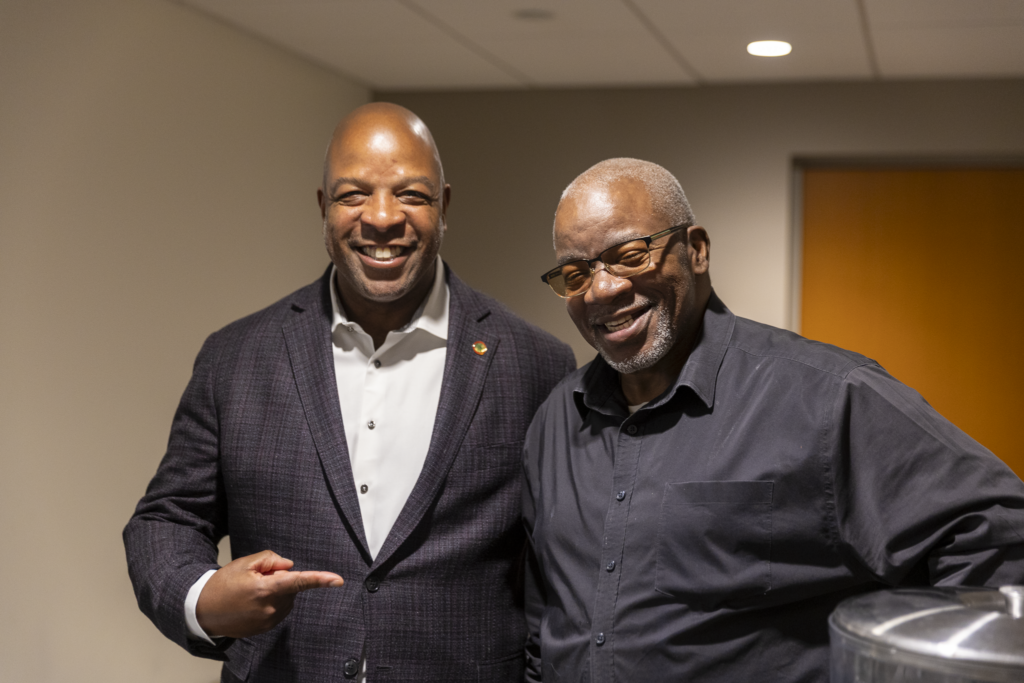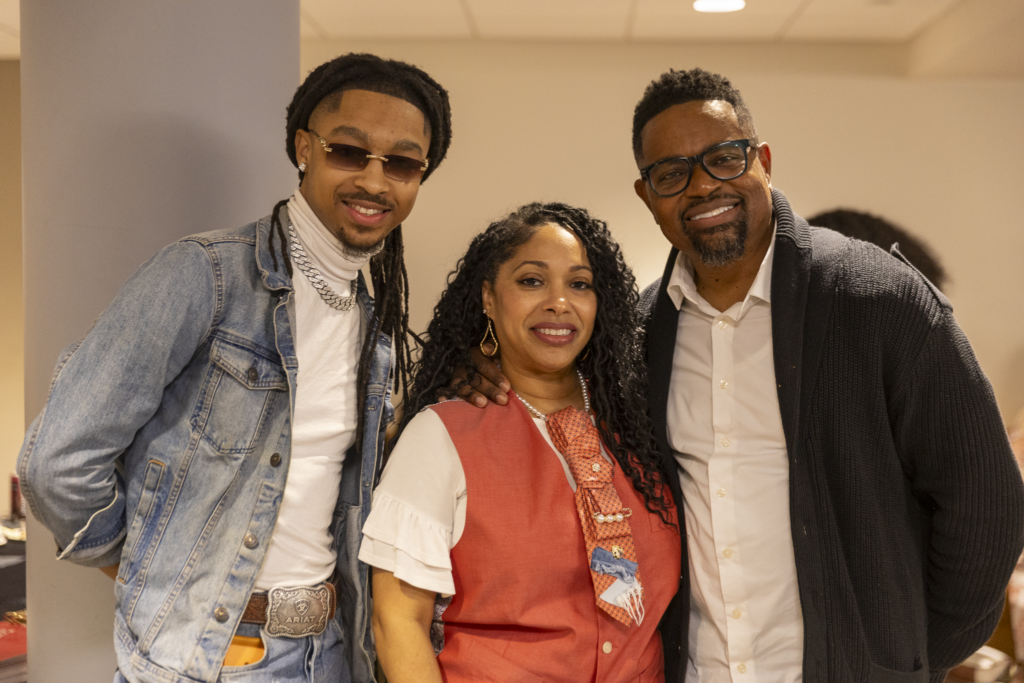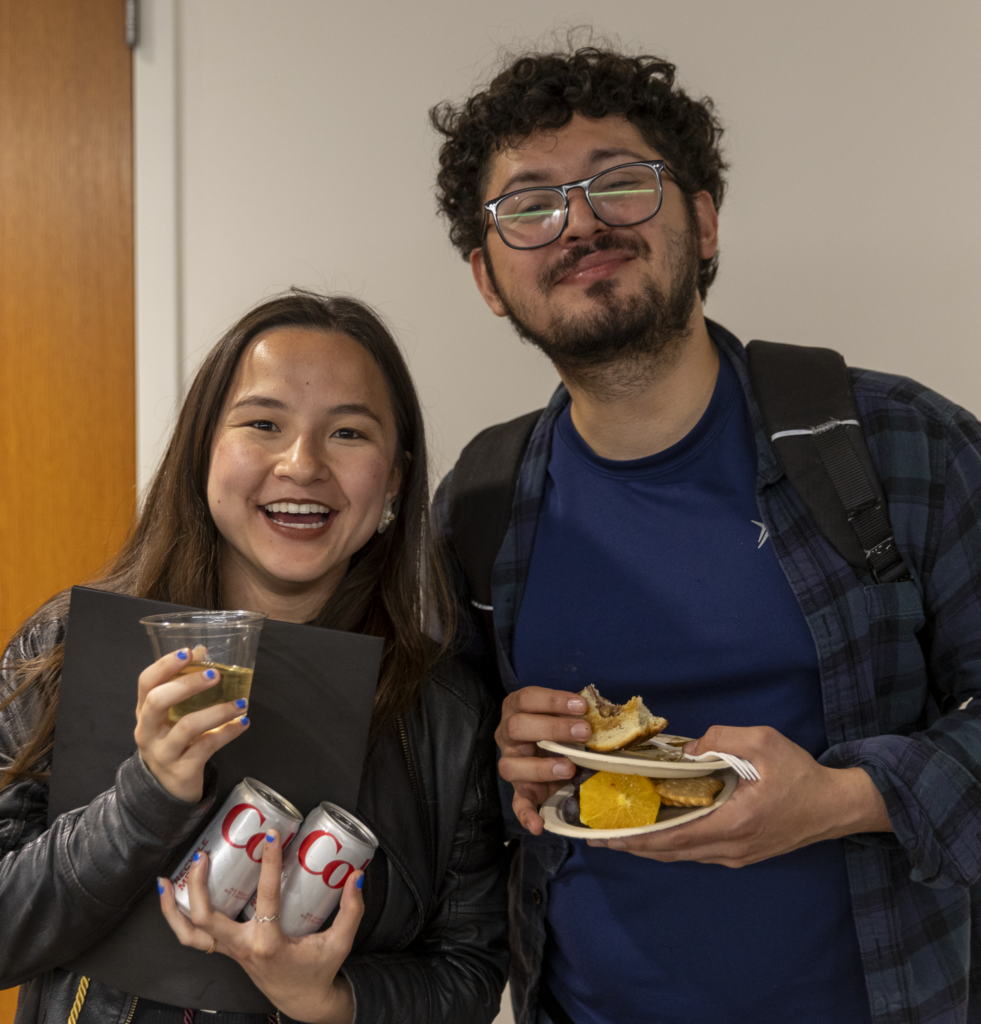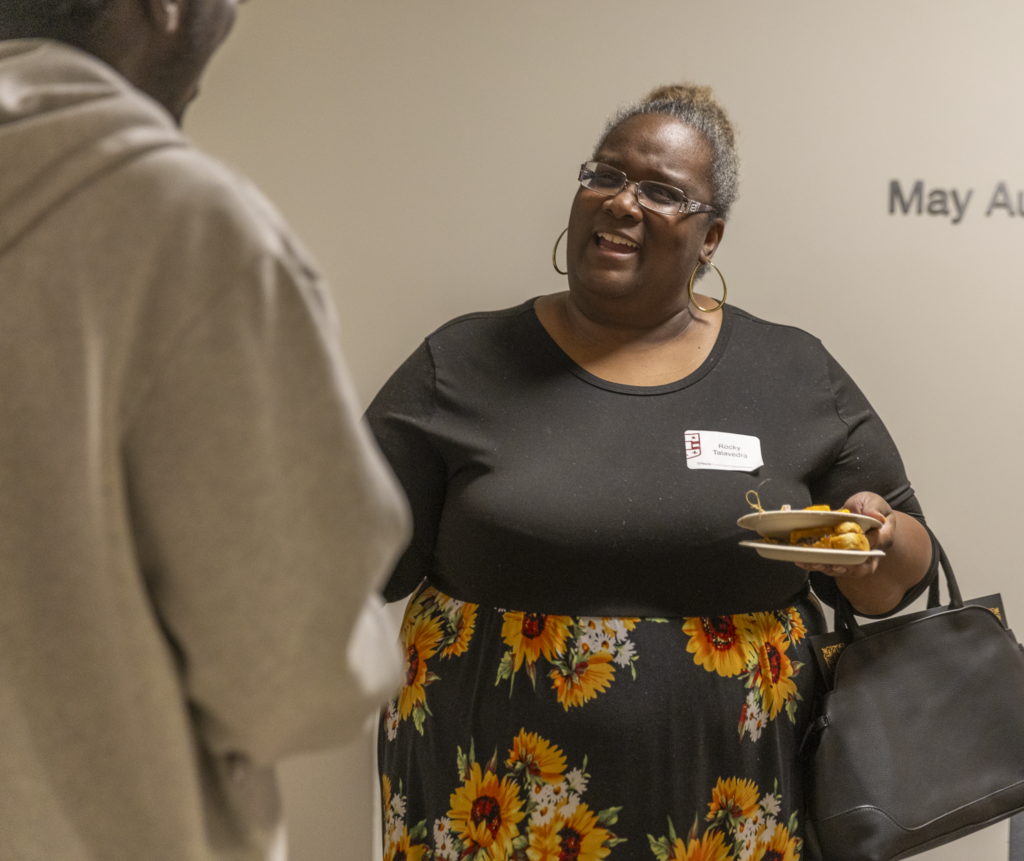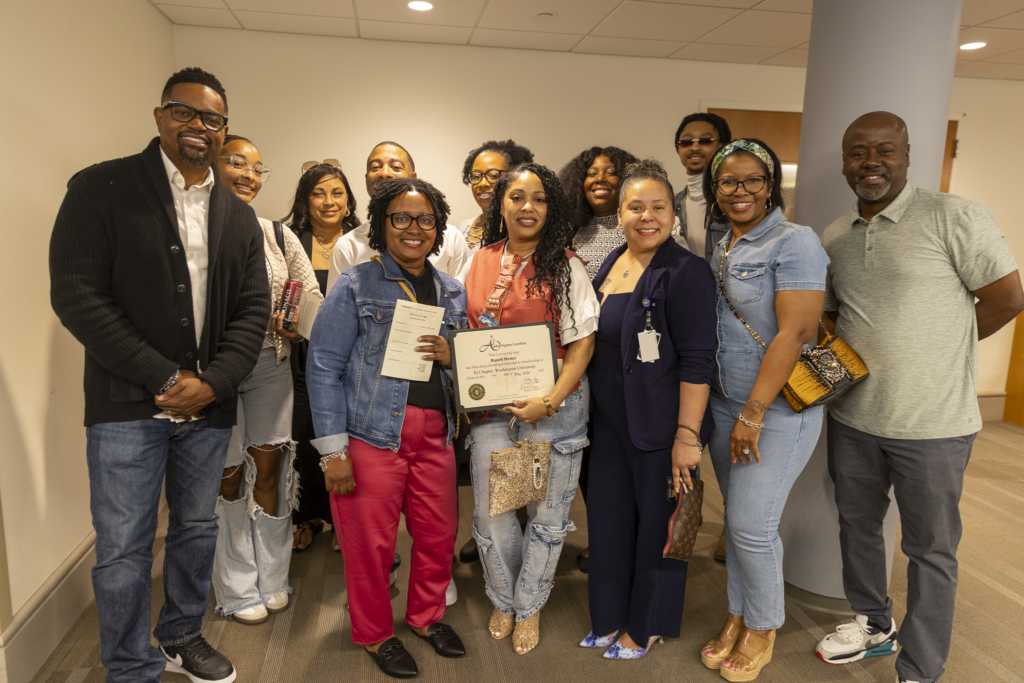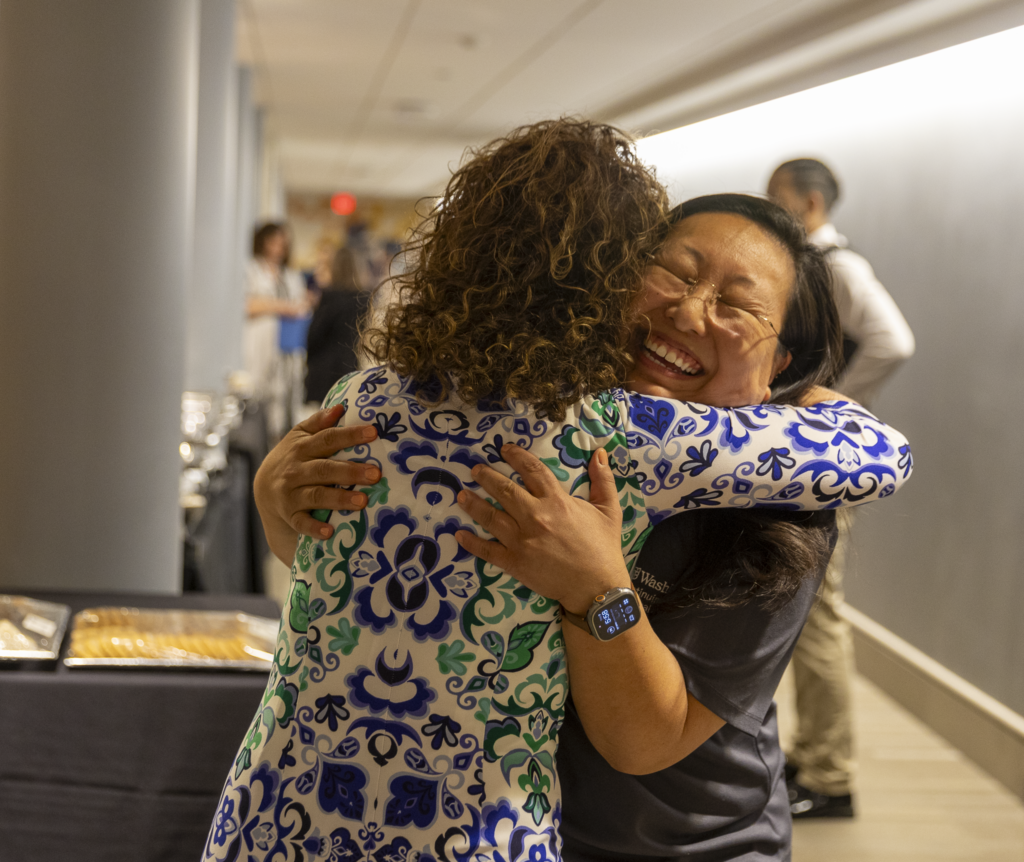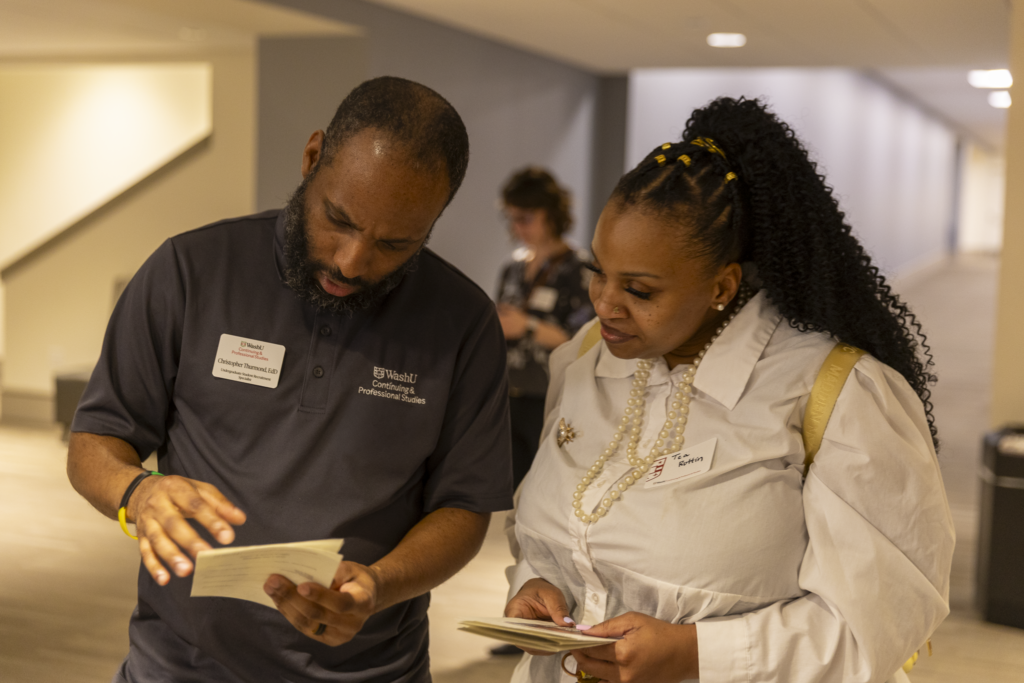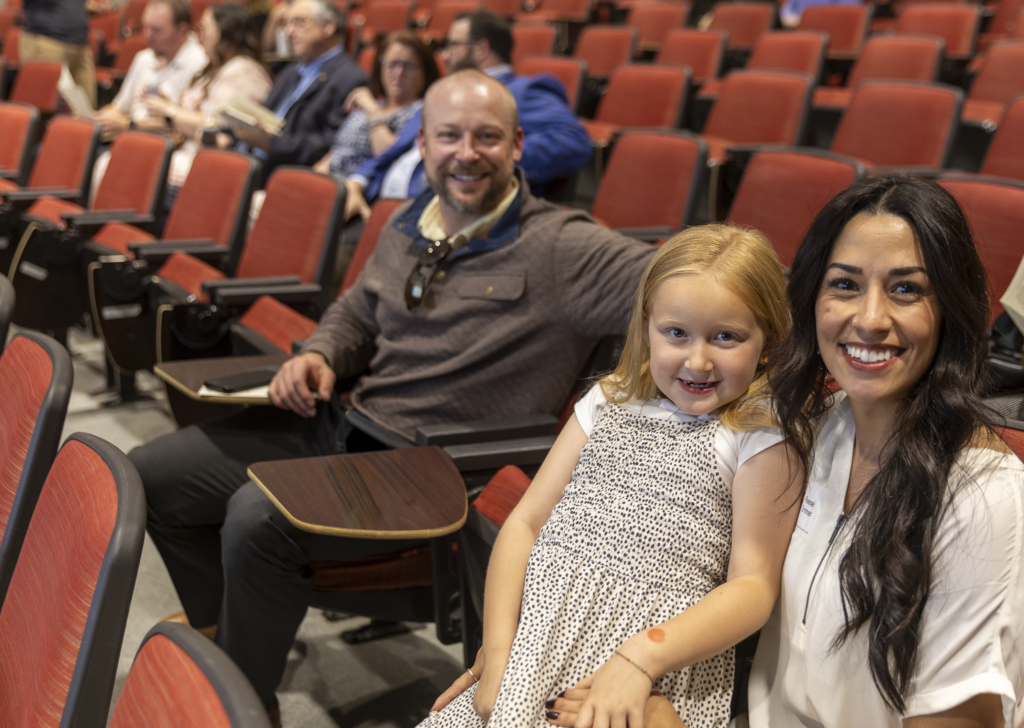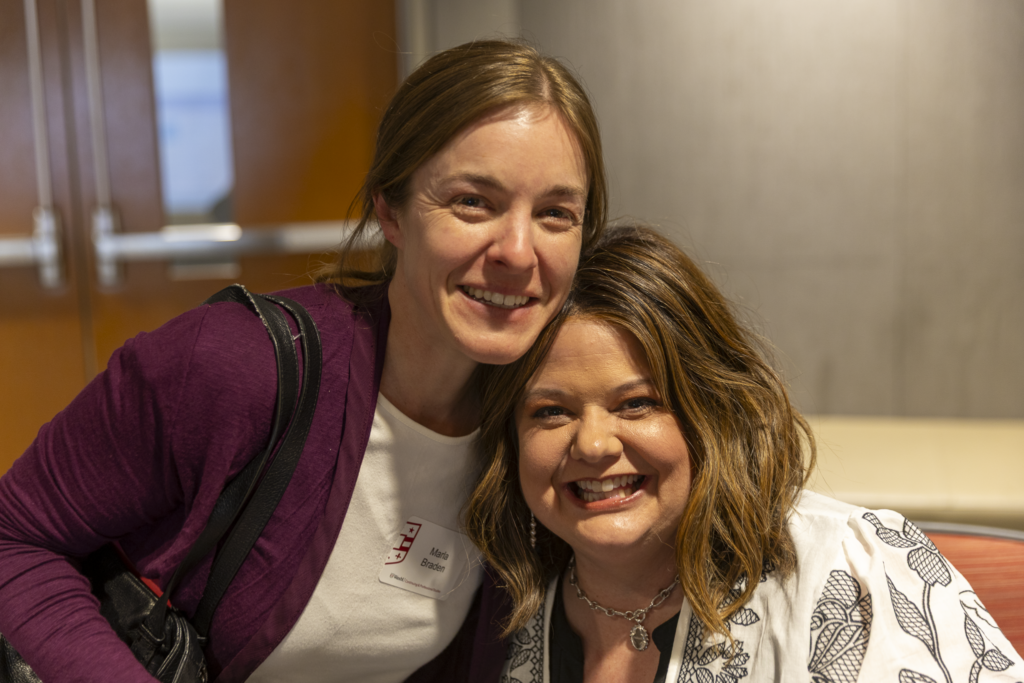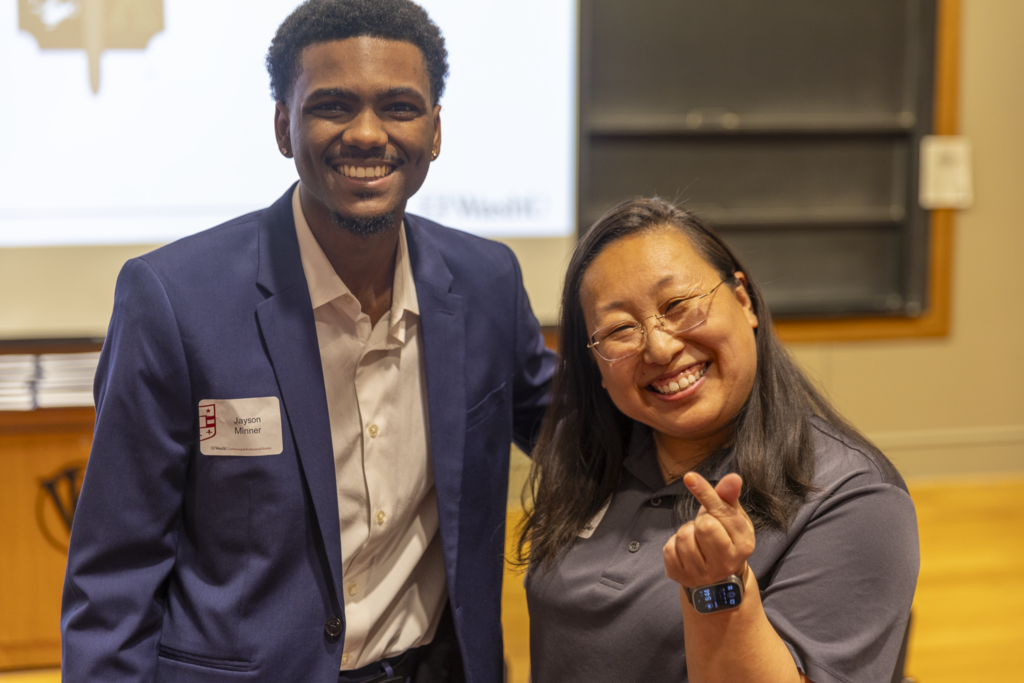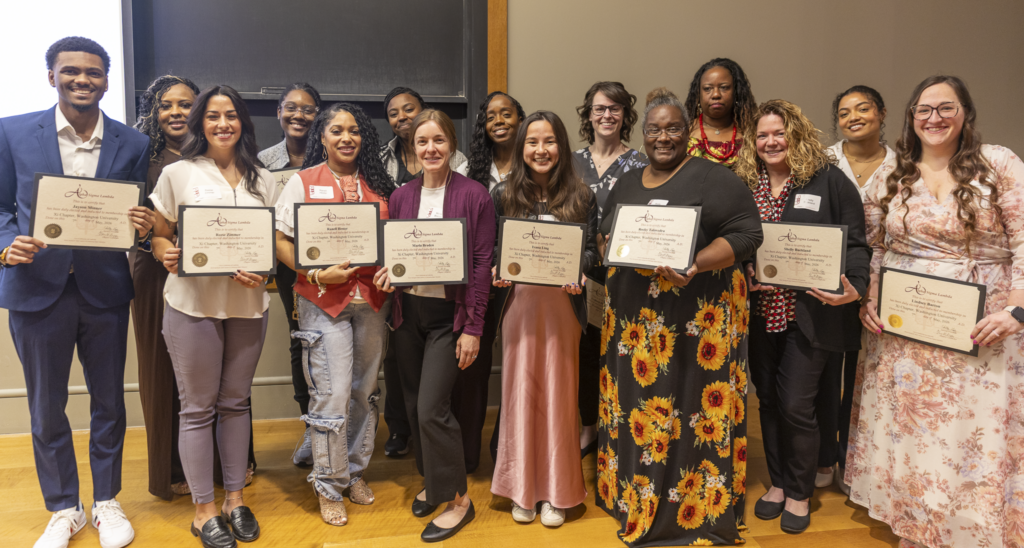
WashU Continuing & Professional Studies (CAPS) students, faculty, and community members celebrated a year of achievement at the annual CAPS Honors and Research Night in early May.
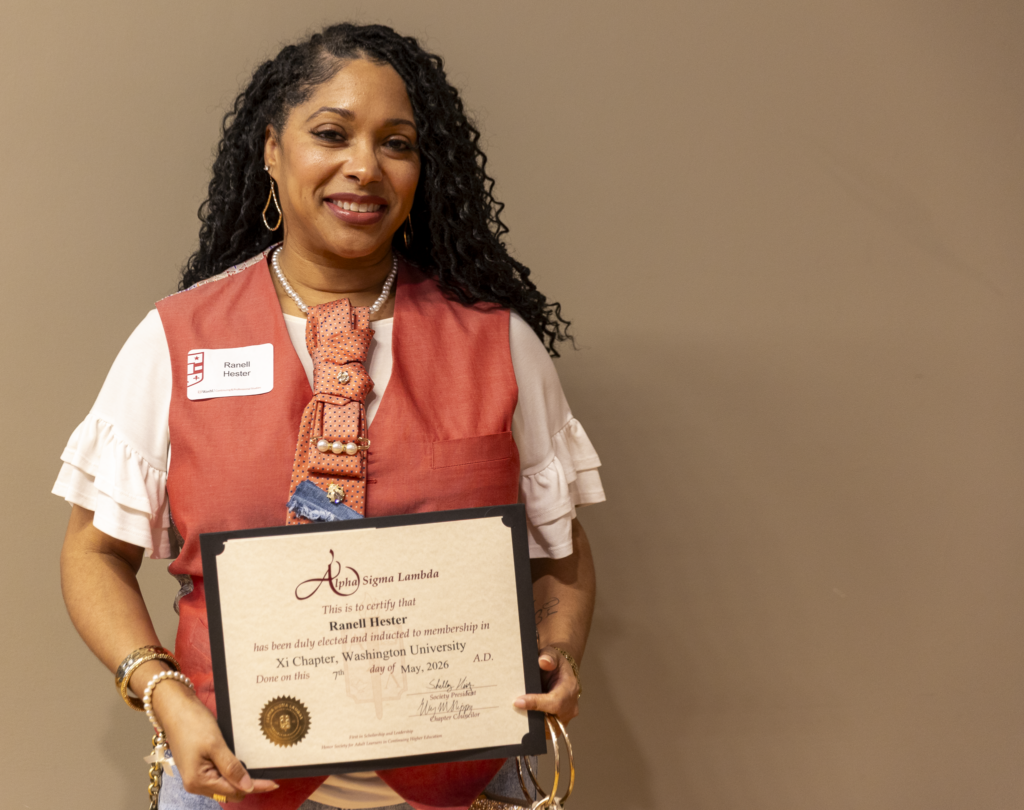
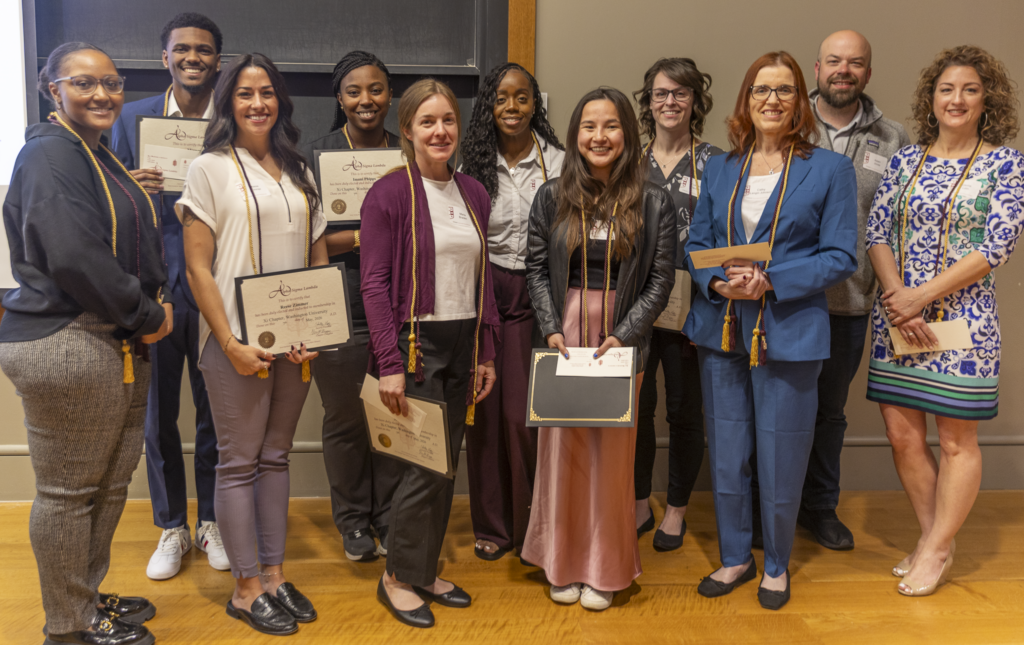
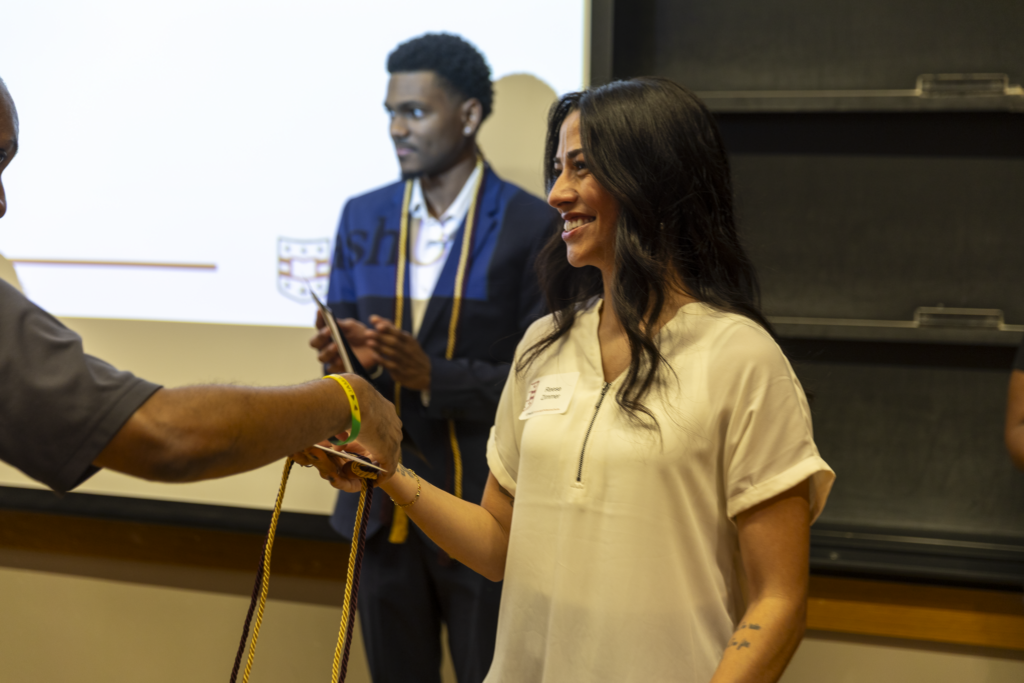
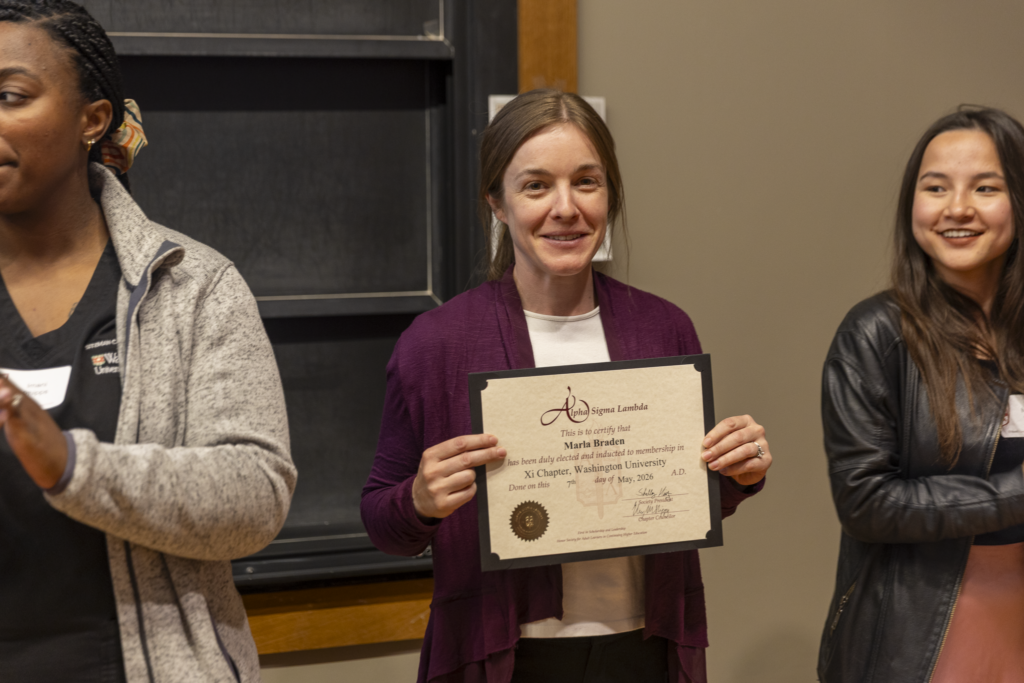
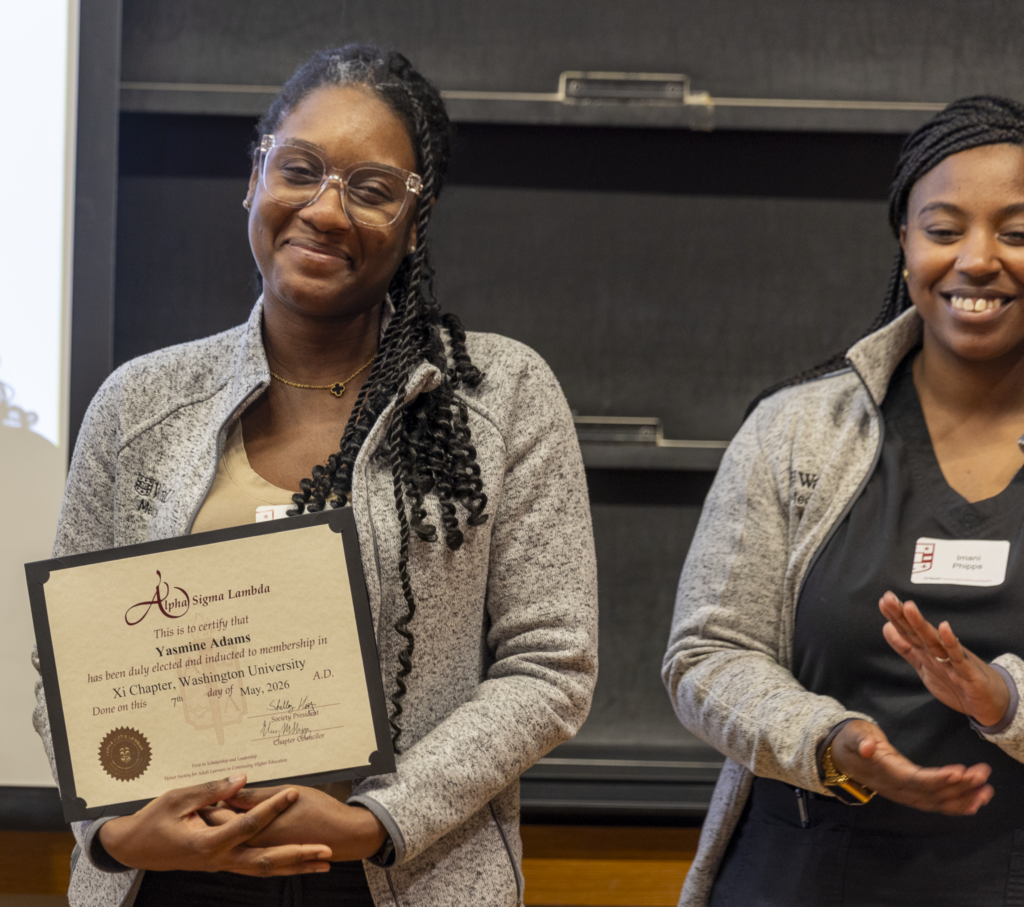
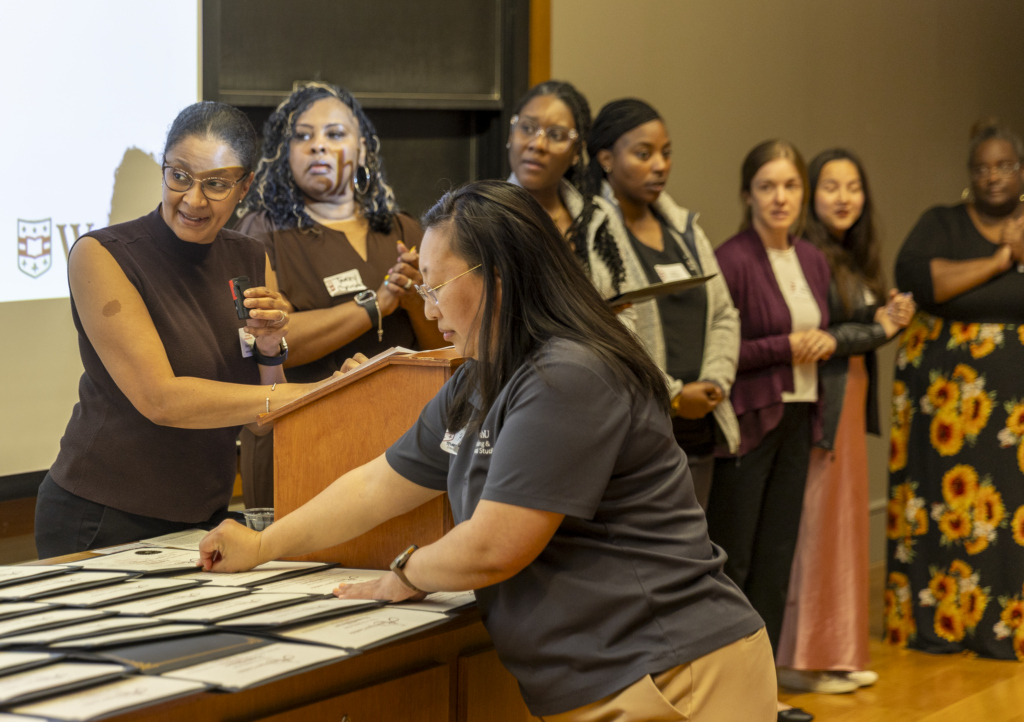
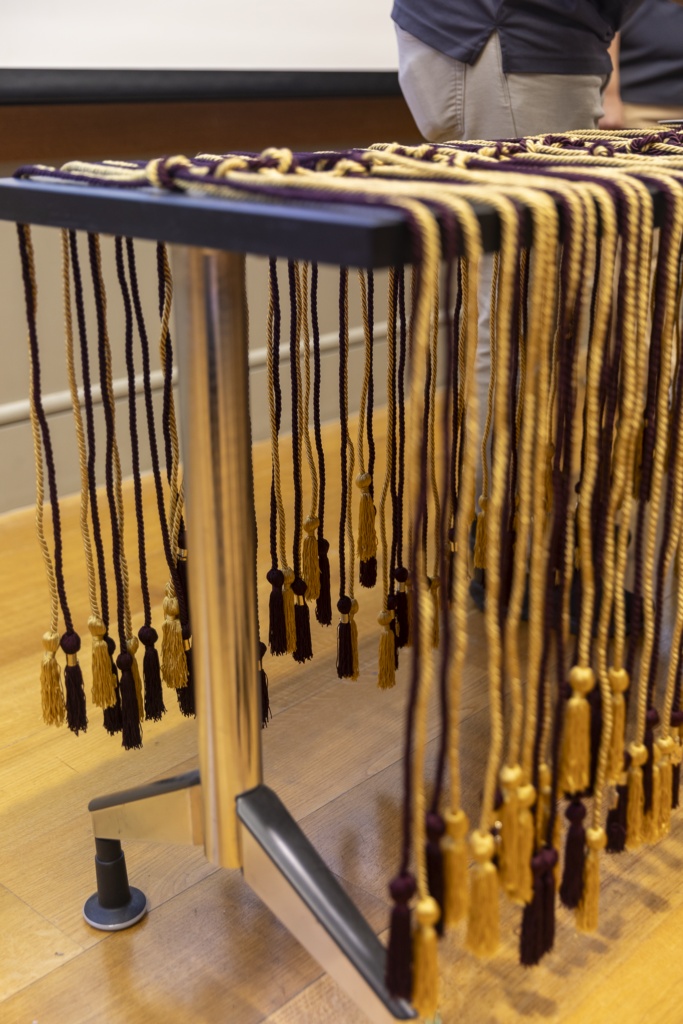
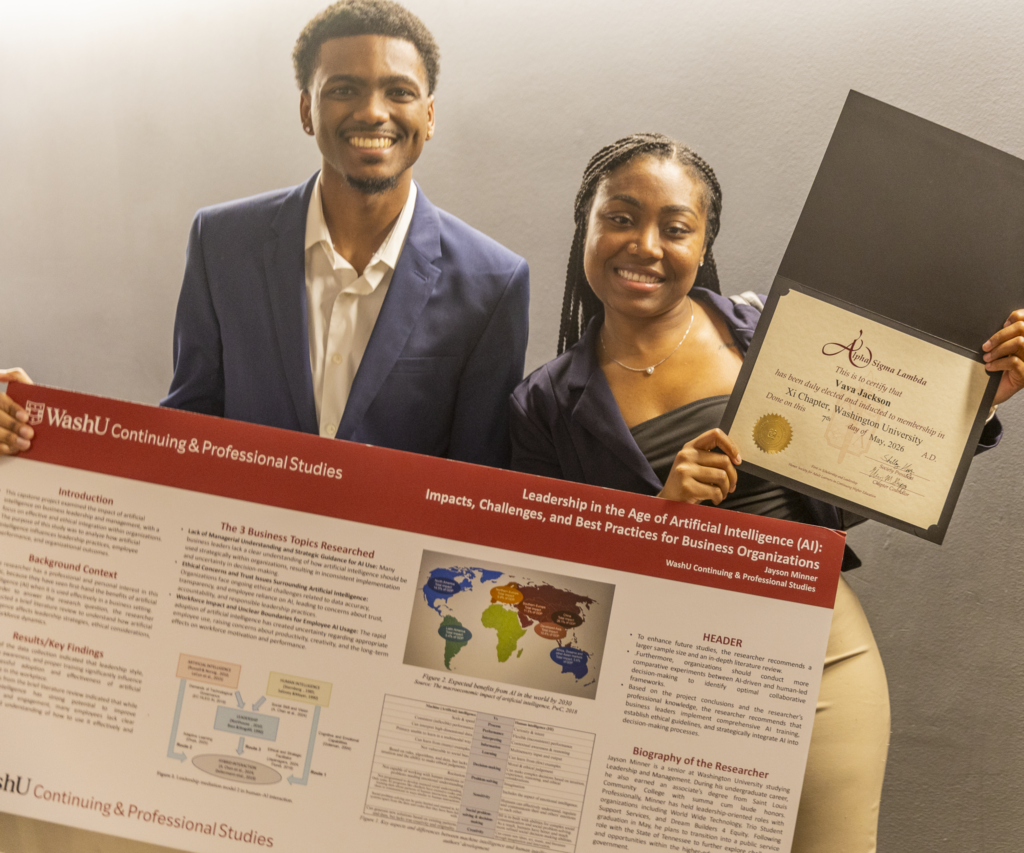
The evening highlighted the interdisciplinary scholarship and professional inquiry taking place throughout CAPS and coincided with CAPS’ annual Alpha Sigma Lambda induction ceremony.
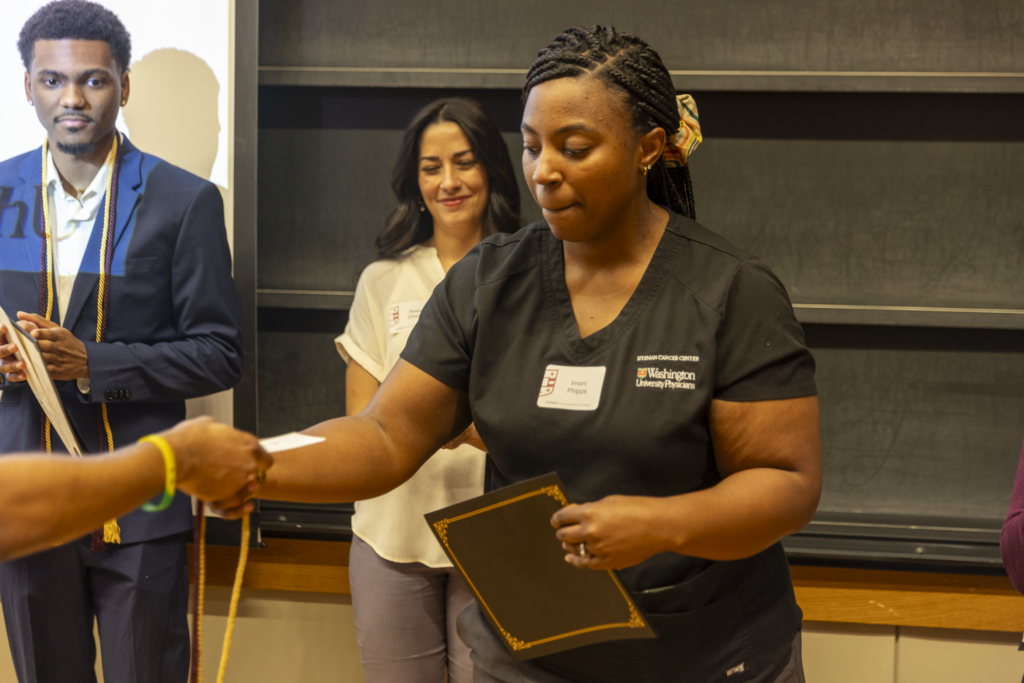
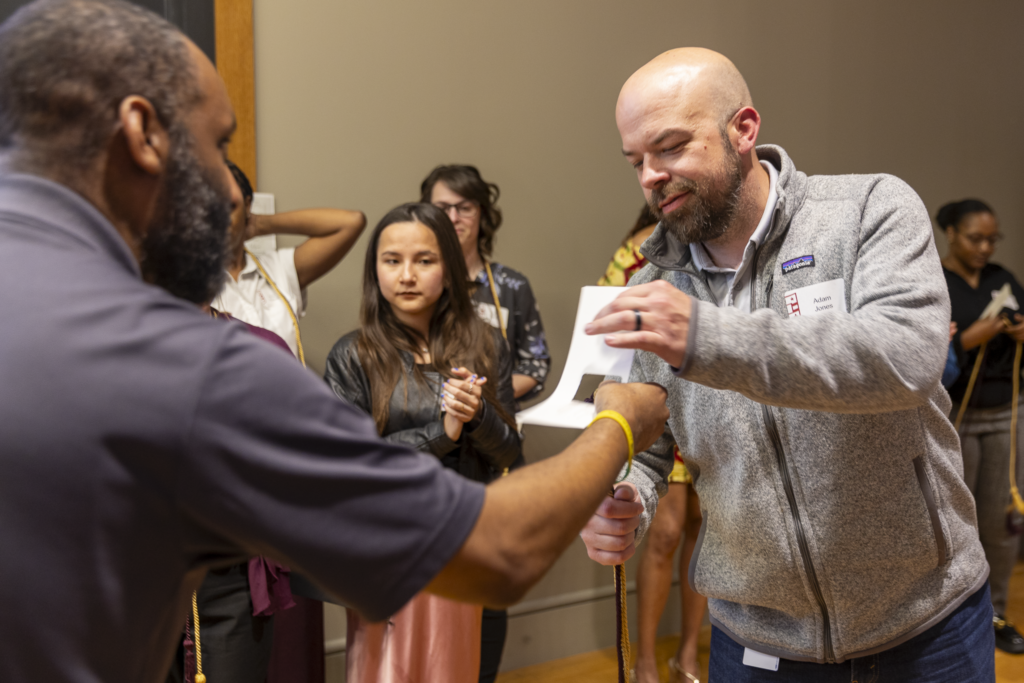
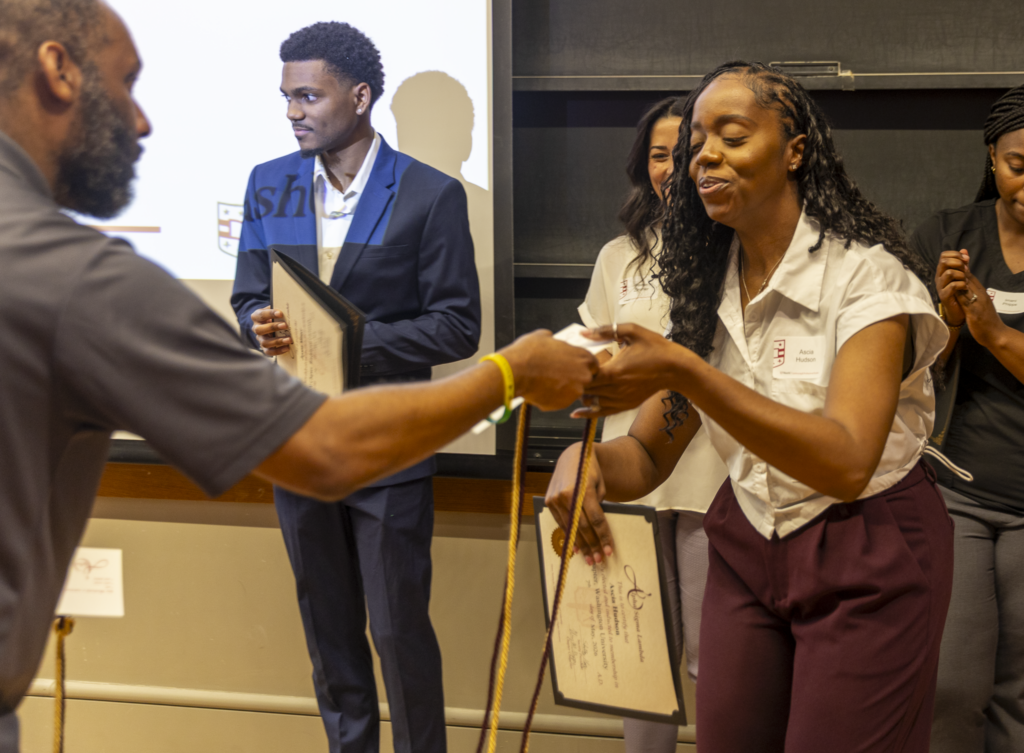
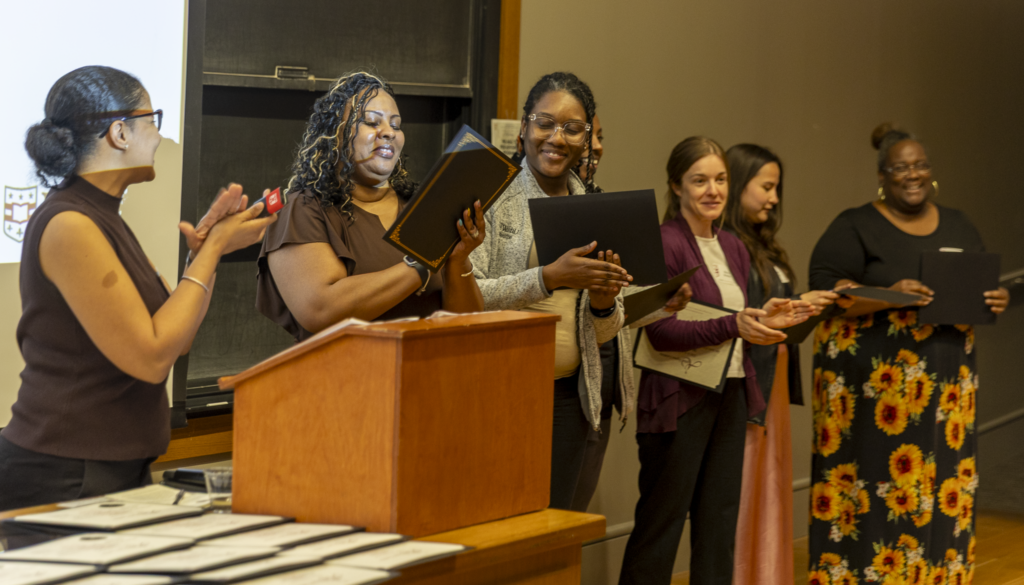
The ceremony celebrated modern learners, including 35 new inductees and 46 graduates, who have demonstrated exceptional success while balancing academic, professional, and personal responsibilities.
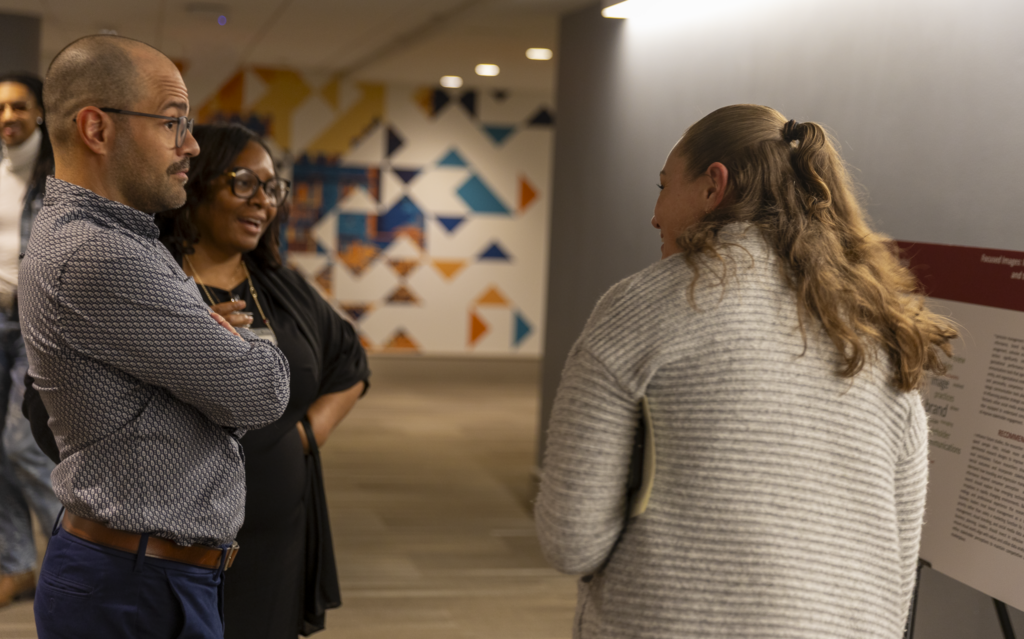
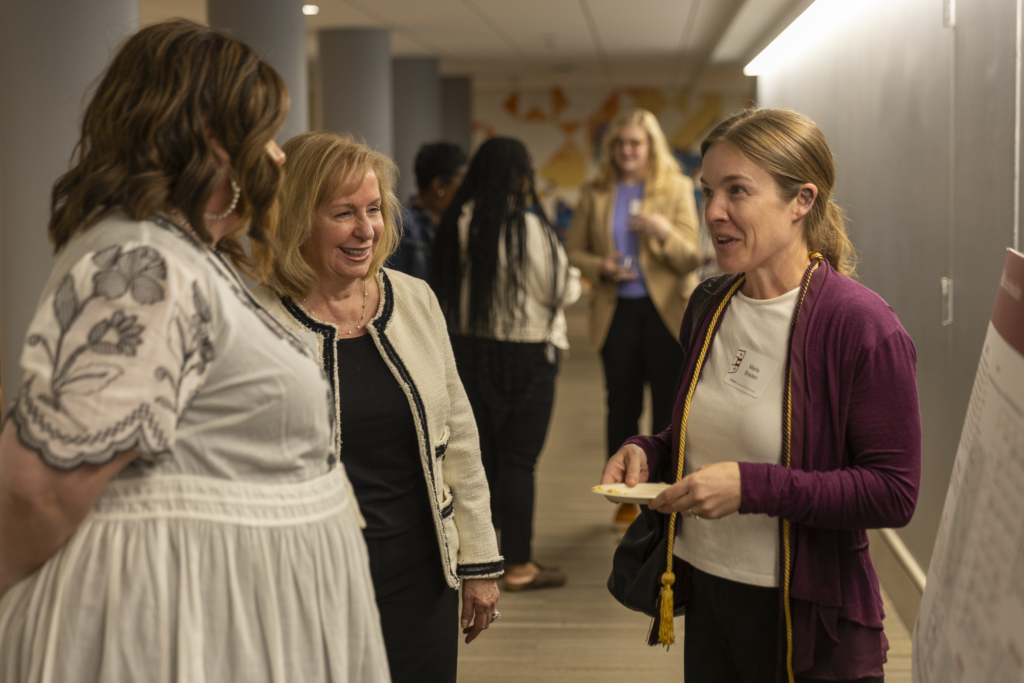
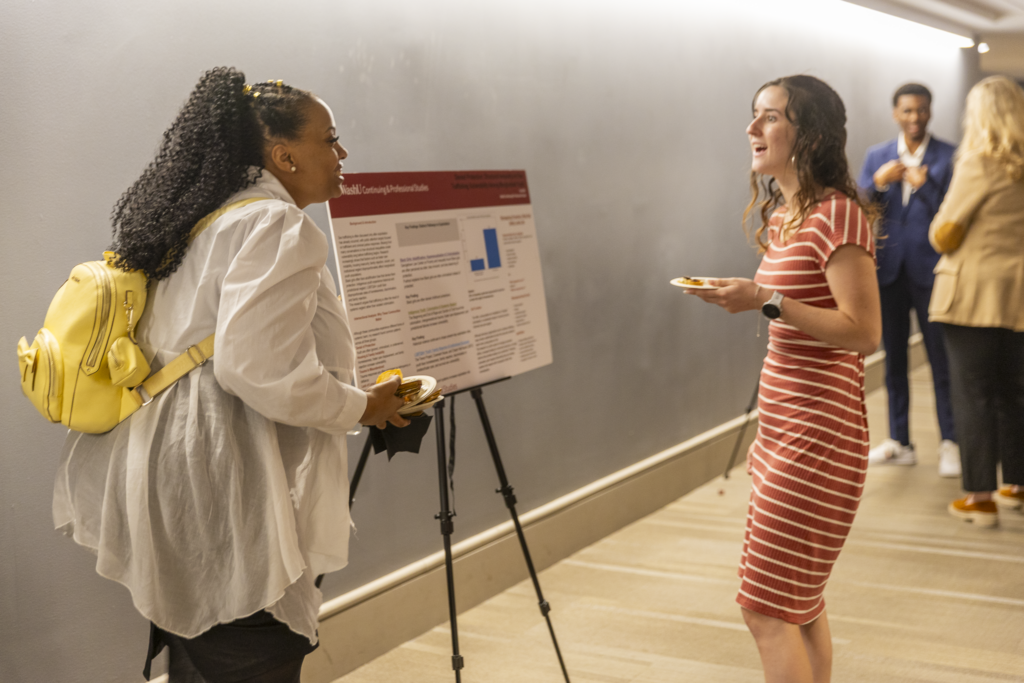
Following the induction ceremony, attendees were invited to view a poster gallery of student research on artificial intelligence, branding and communication, political history, global policy, and social justice.
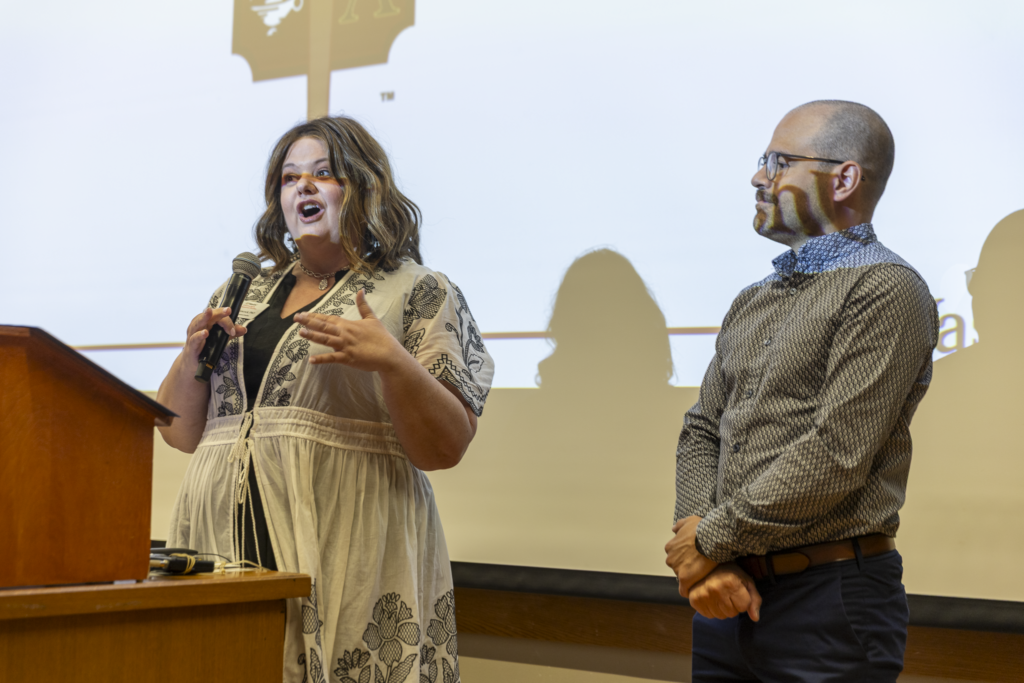
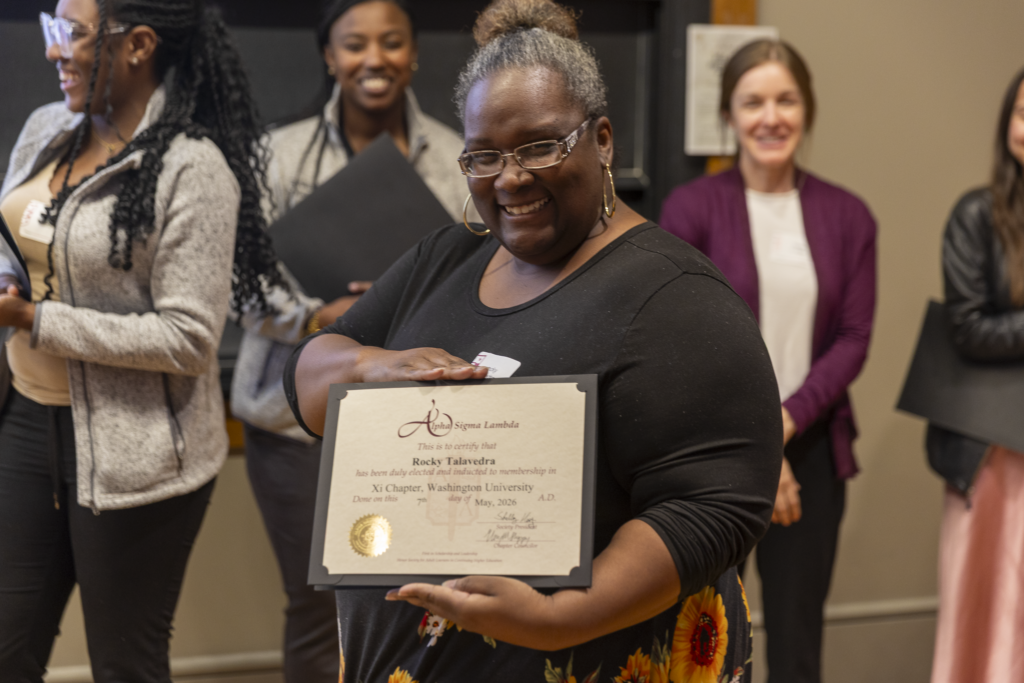
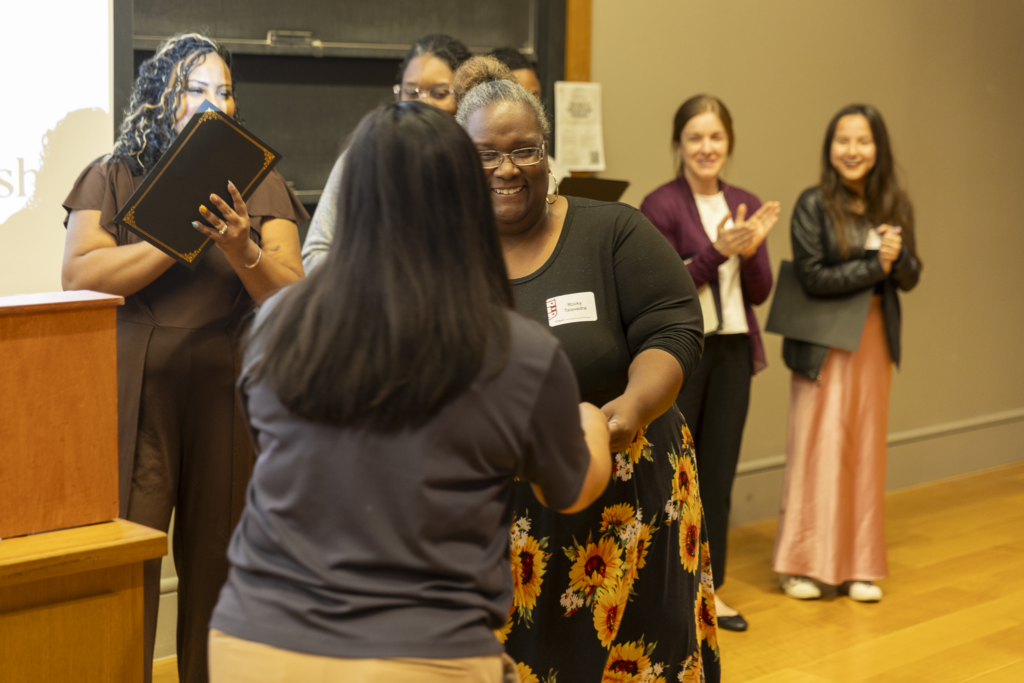
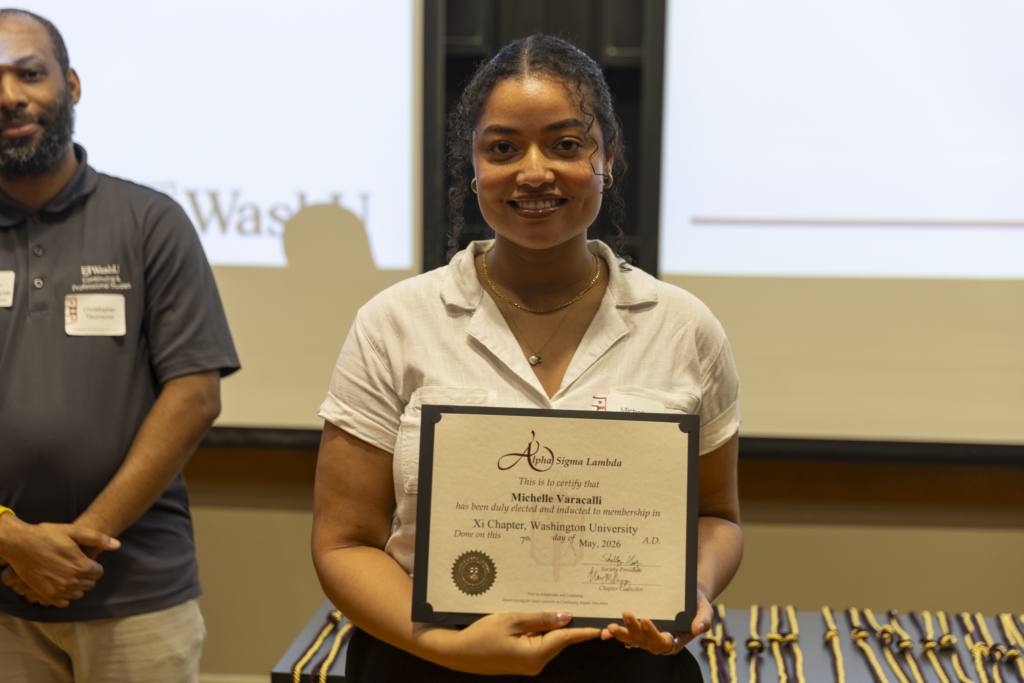
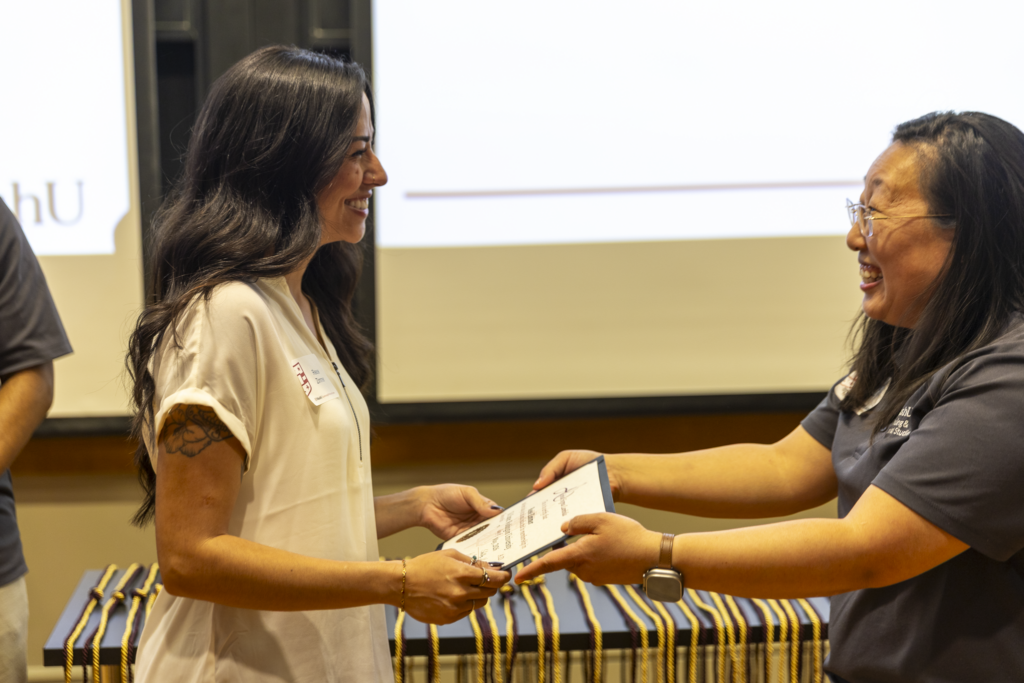
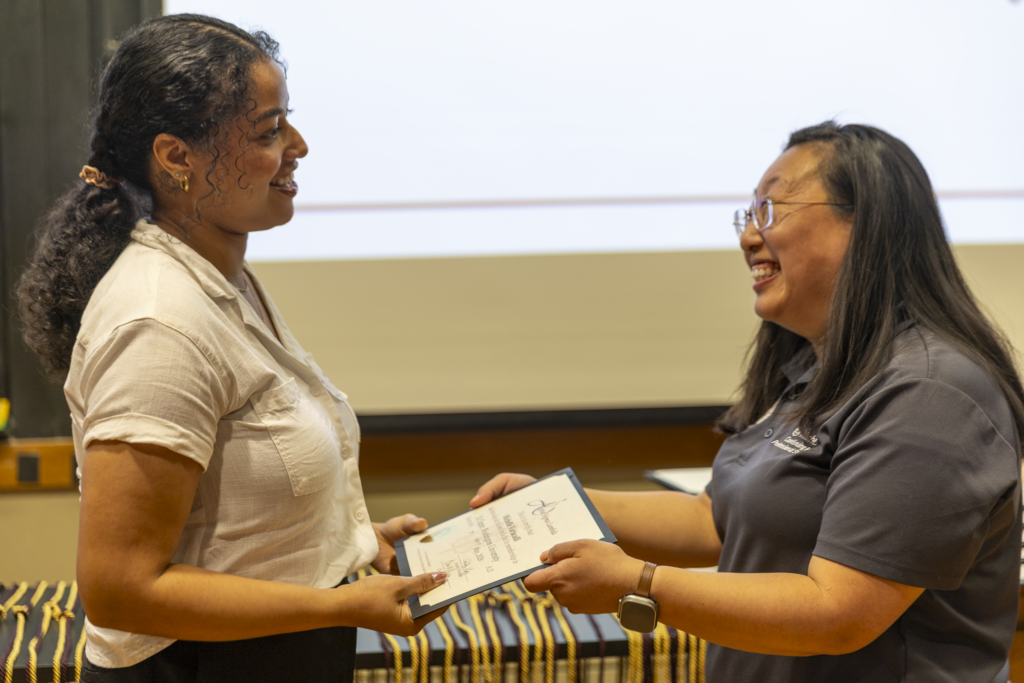
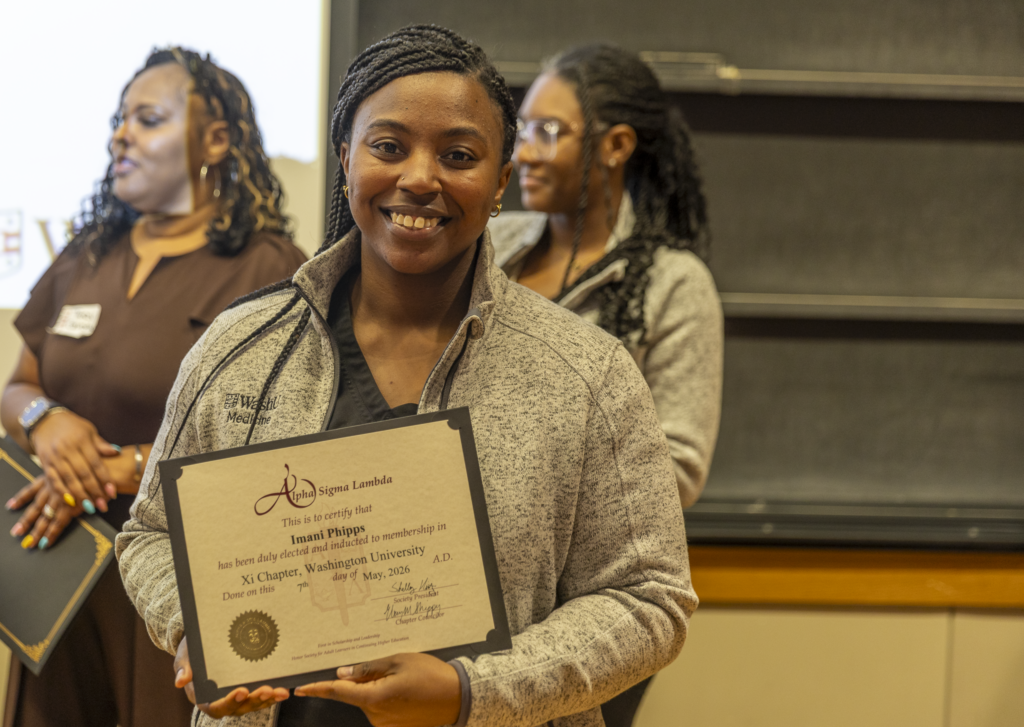
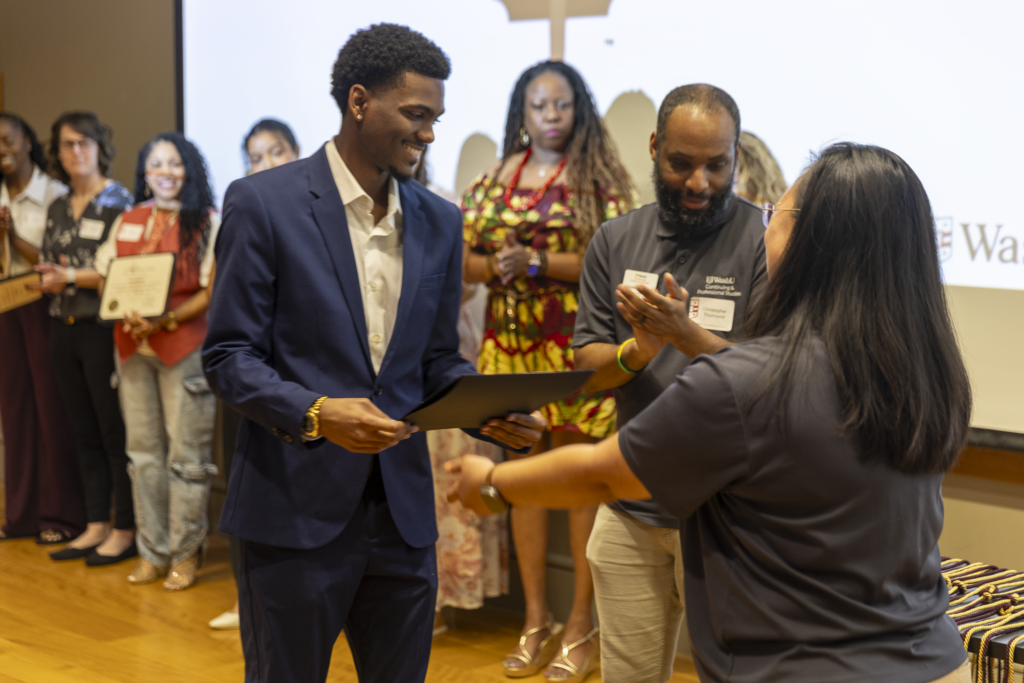
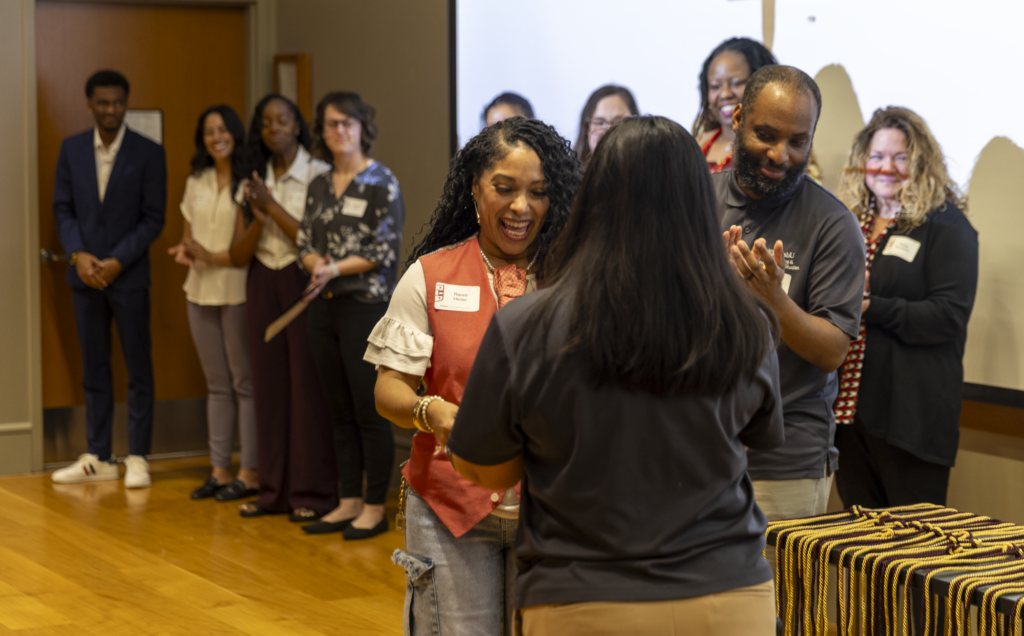
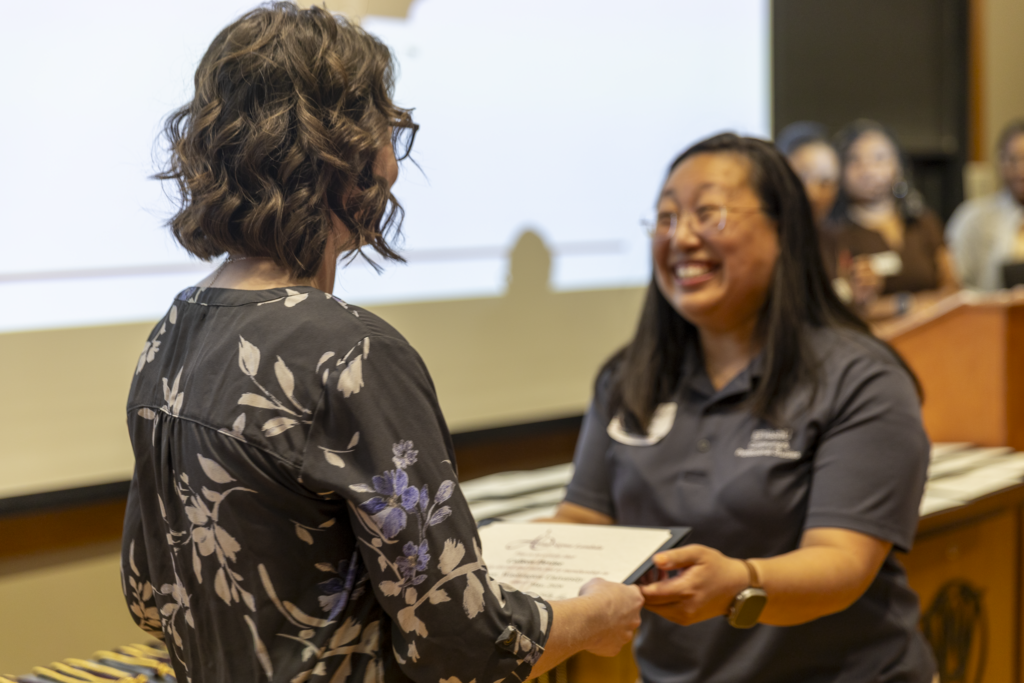
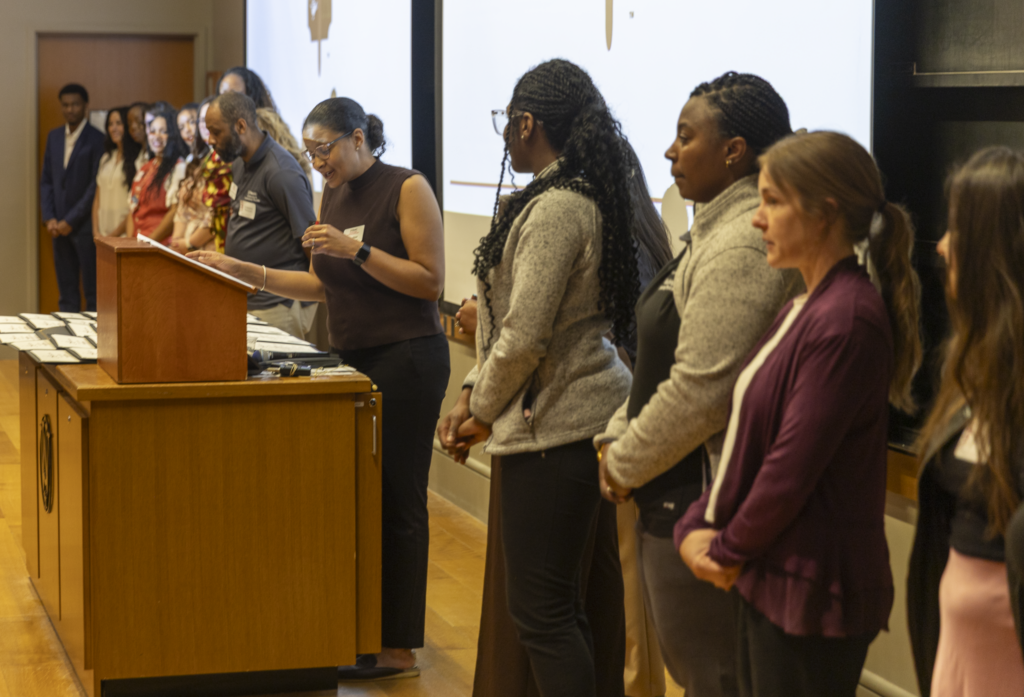

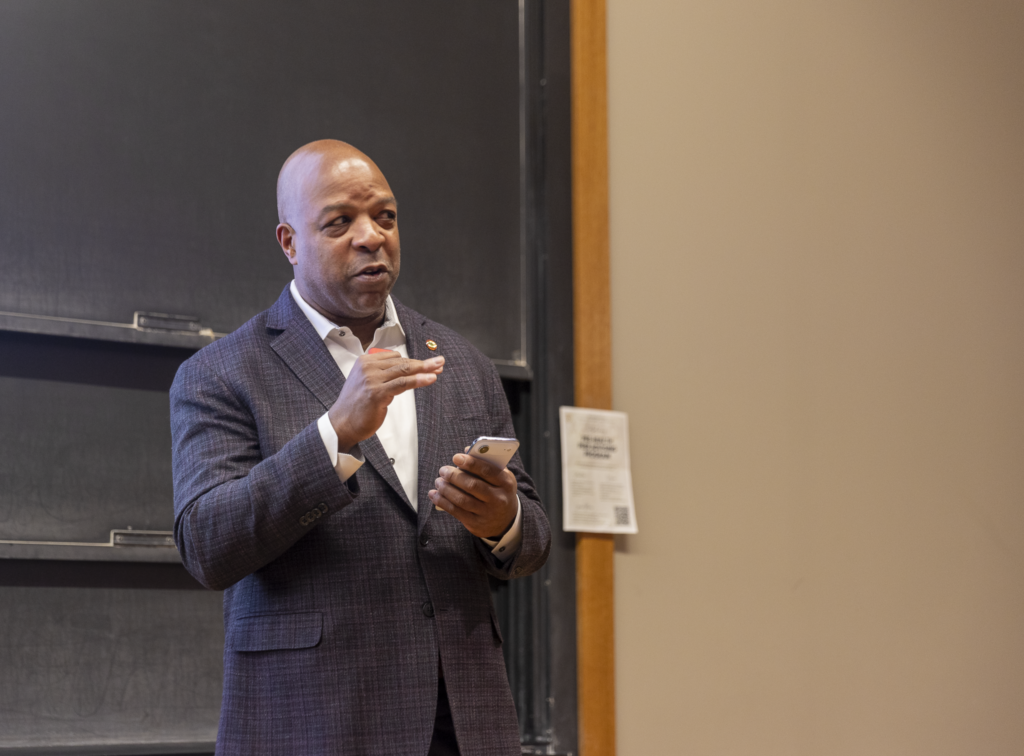
Dean Sean Armstrong emphasized the importance of the event in fostering community and showcasing the work of CAPS students.
“Honors and Research Night has grown tremendously in both scope and ambition,” Armstrong said. “What began as a smaller celebration of student achievement has evolved into a dynamic forum. The range and quality of these projects demonstrate the depth of scholarship and professional expertise our students bring to CAPS.”
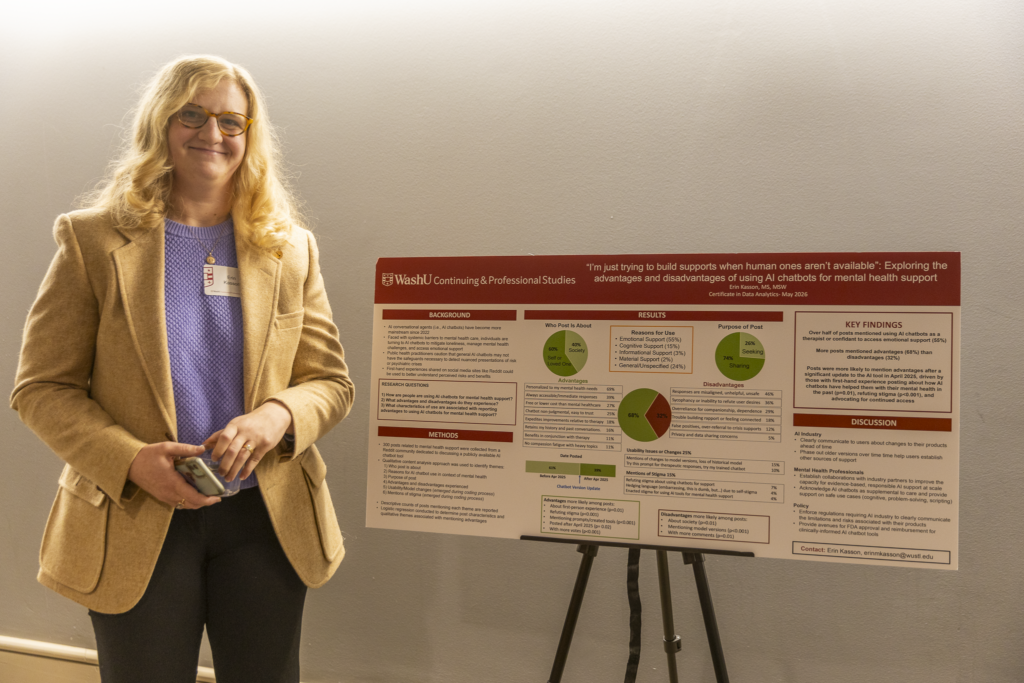
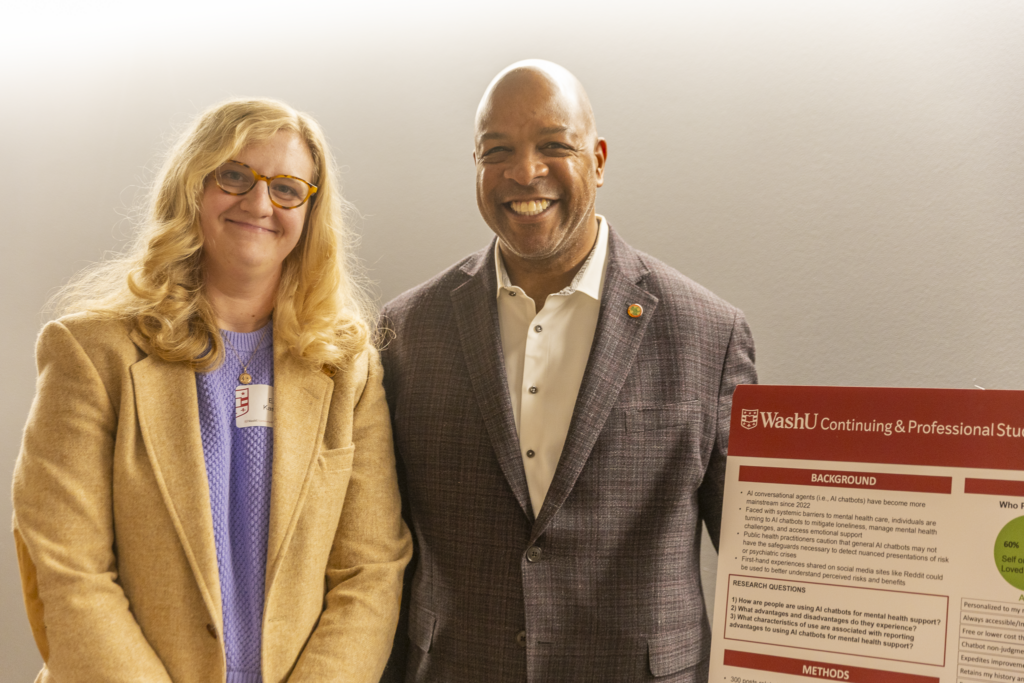
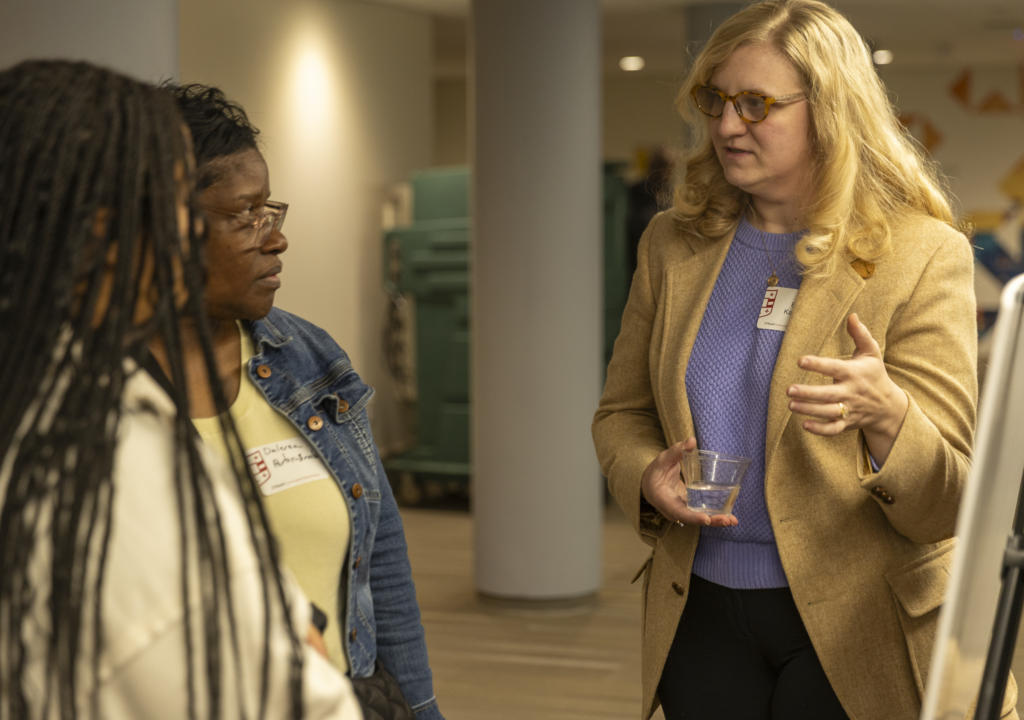
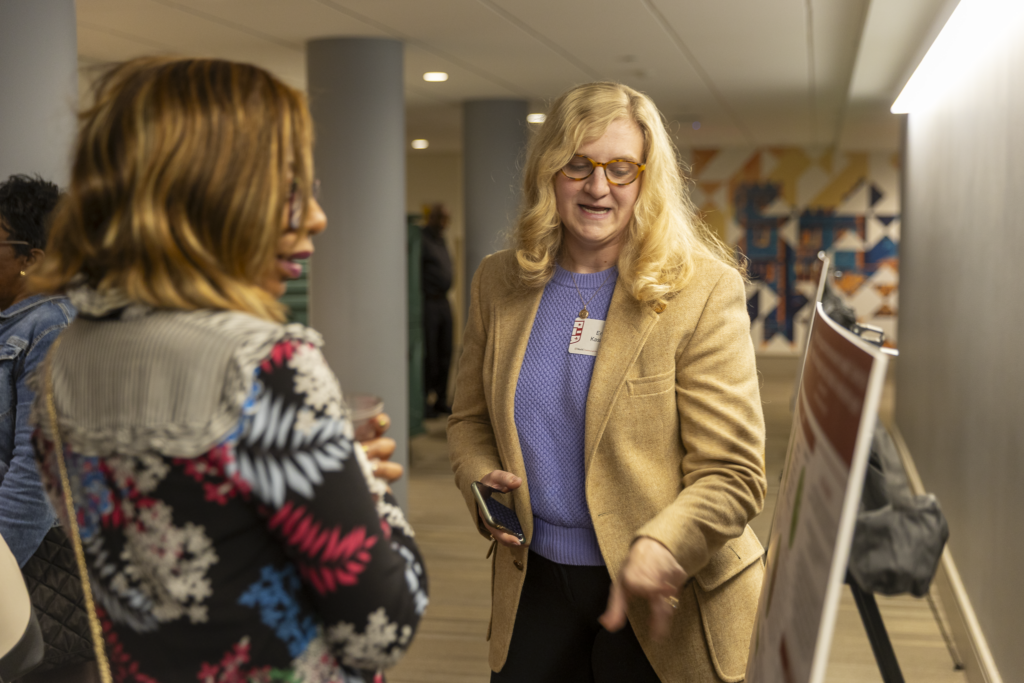
Among the featured presenters was Erin Kasson, whose project, “‘I’m Just Trying to Build Supports When Human Ones Aren’t Available’: Exploring the Advantages and Disadvantages of Using AI Chatbots for Mental Health Support,” examined the increasing use of AI chatbots as tools for emotional and mental health assistance.
Kasson explored both the accessibility these technologies provide and the ethical concerns surrounding their use.
“I wanted to better understand why people are turning to AI for support and what gaps in traditional mental health systems this trend reveals,” Kasson explained. “The project really pushed me to think critically about the relationship between technology, care and human connection.”
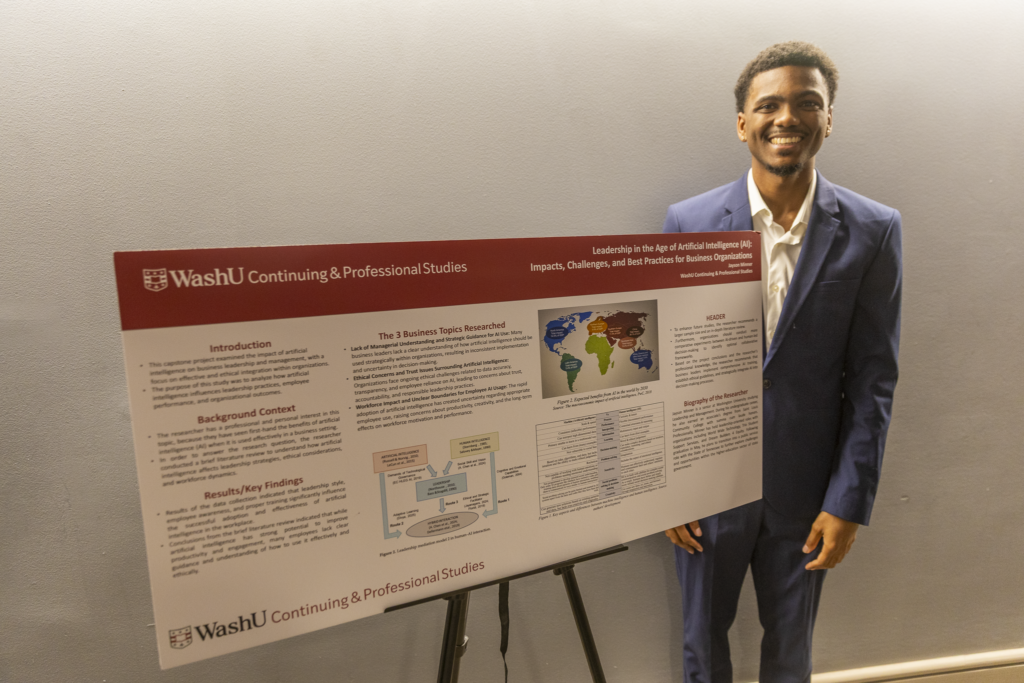
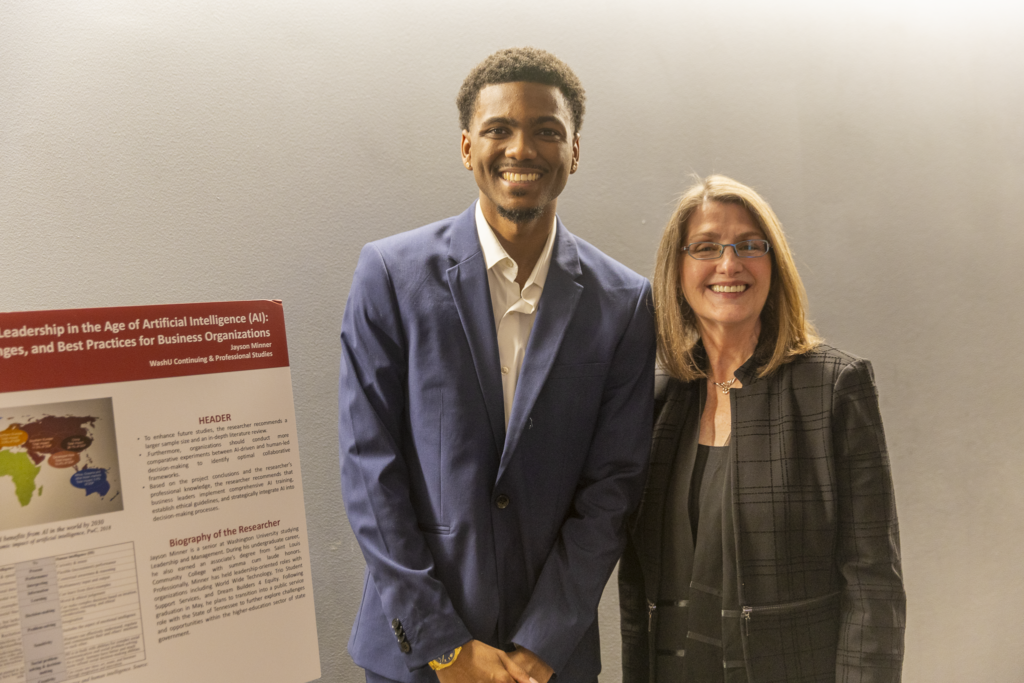
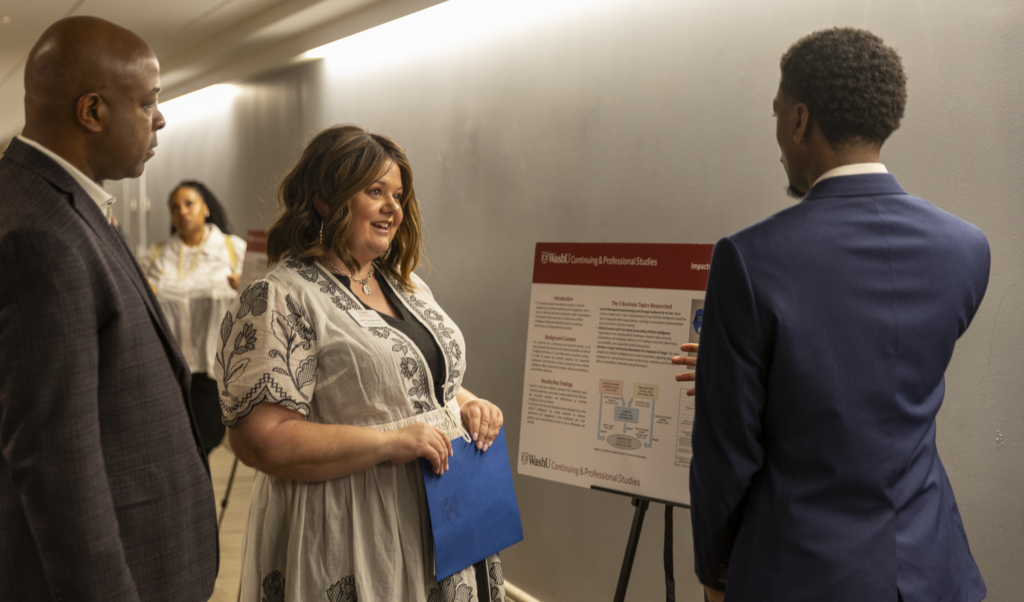
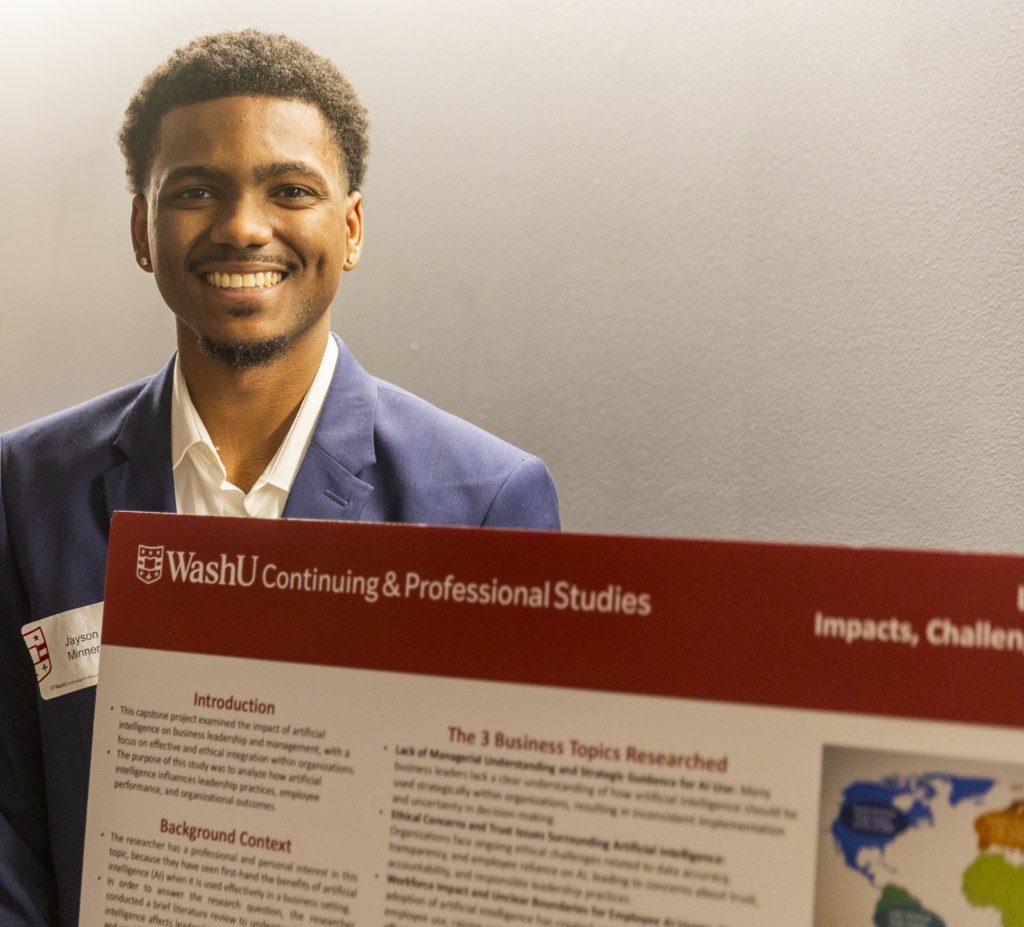
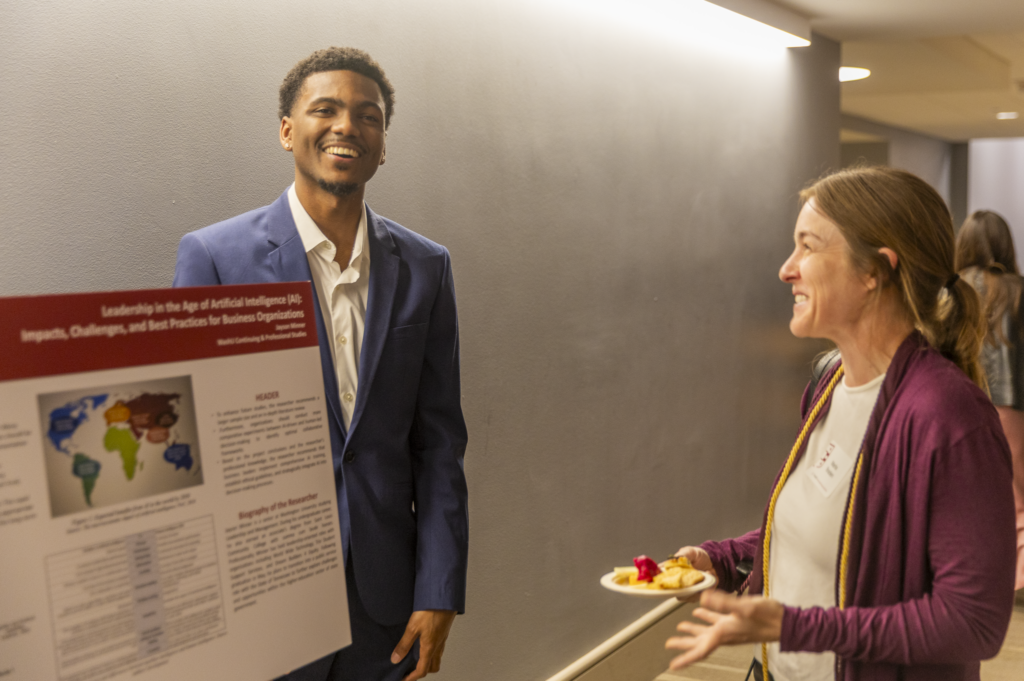
Jayson Minner’s project, “Leadership in the Age of Artificial Intelligence (AI): Impacts, Challenges, and Best Practices for Business Organizations,” focused on how organizations can integrate AI responsibly into business operations while maintaining ethical leadership practices.
“AI is transforming every aspect of organizational life,” Minner said. “My research examines how leaders can adopt these technologies strategically while remaining transparent, accountable, and people-centered.”

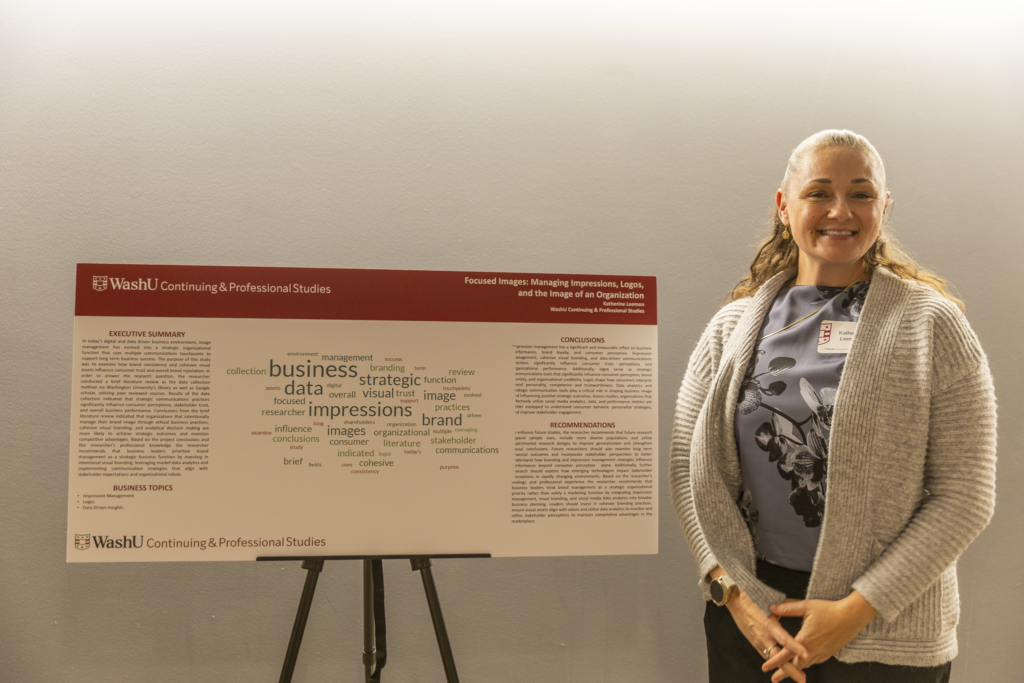
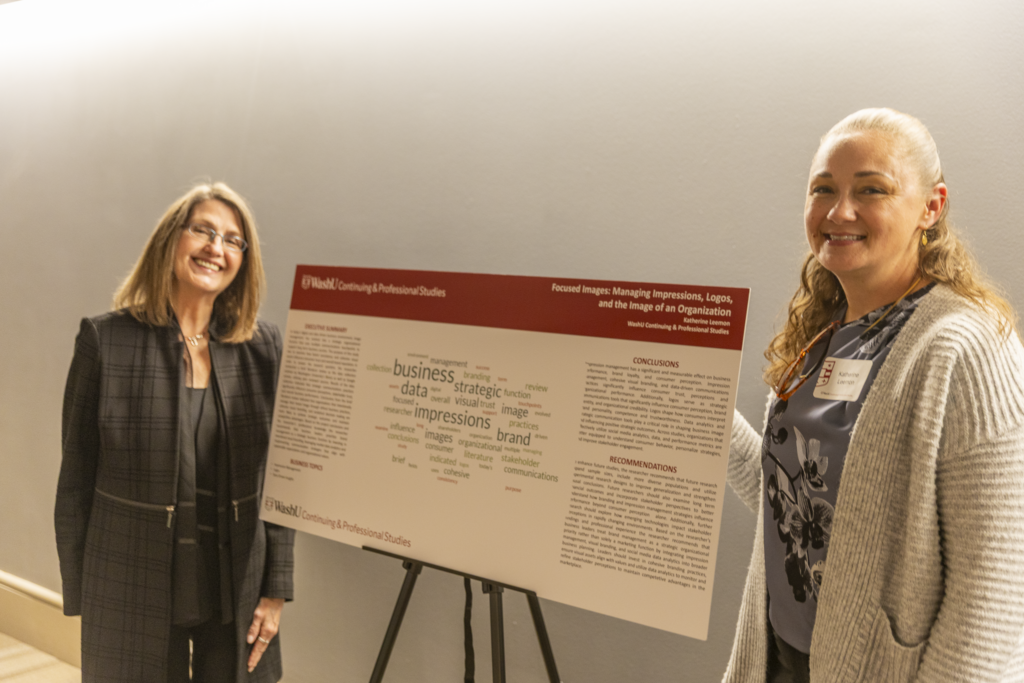
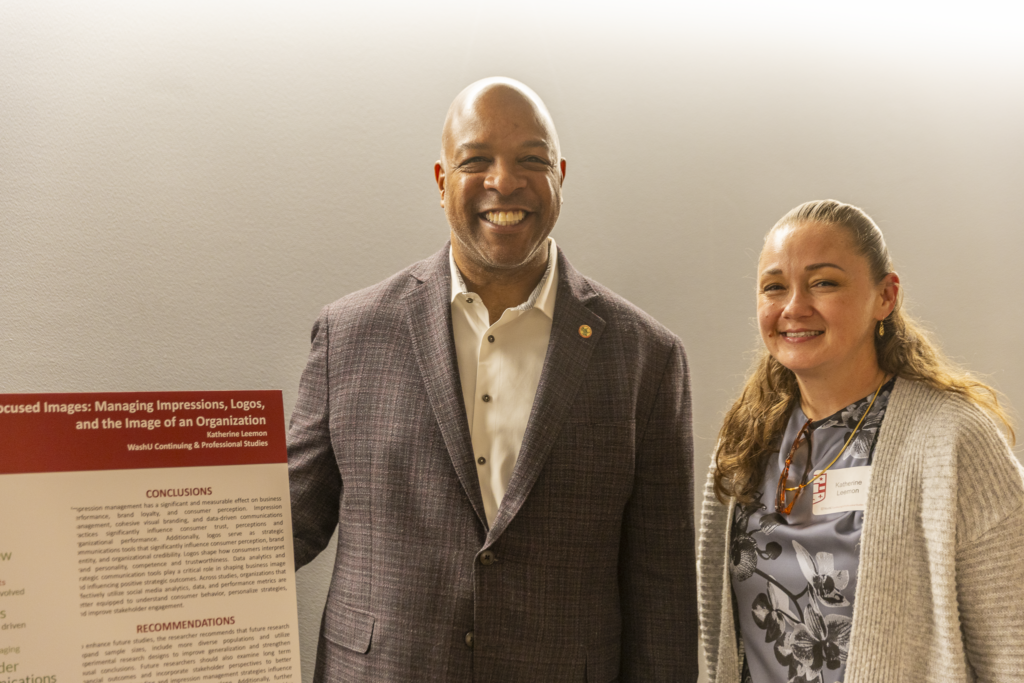
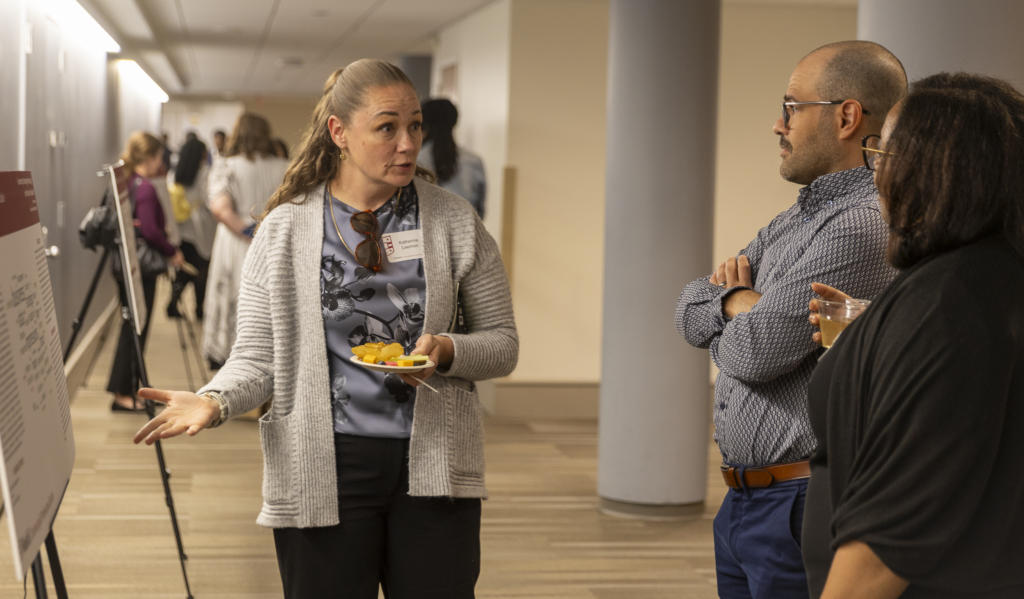
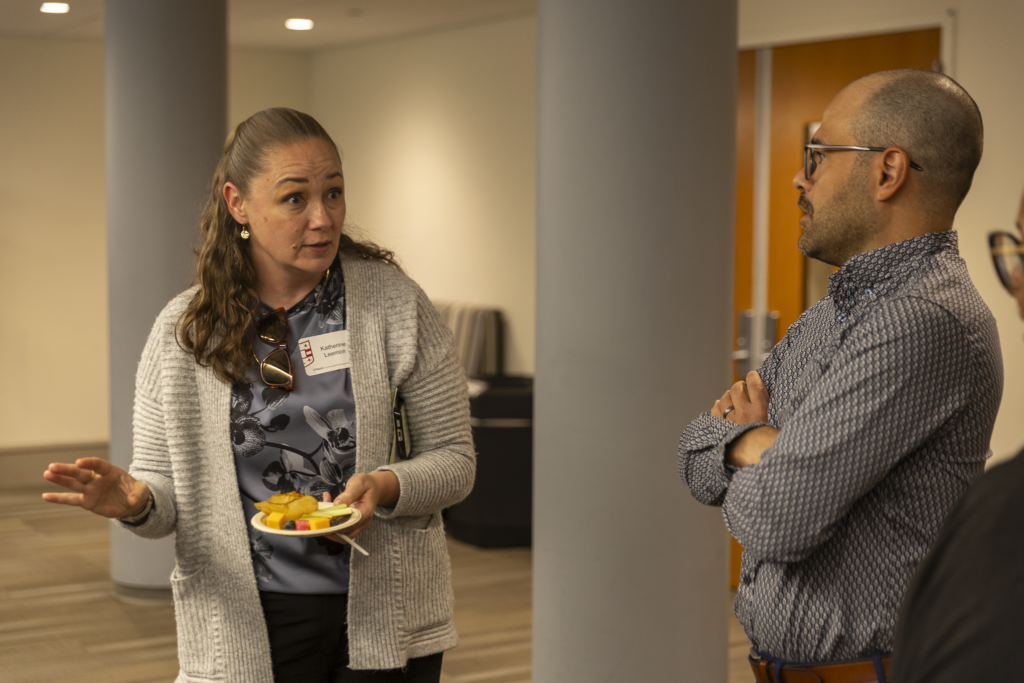
Kate Leemon explored communication and branding in her project, “Focused Images: Managing Impressions, Logos, and the Image of an Organization.”
Her research investigated how visual identity and brand consistency shape public trust and organizational reputation.
“Consumers often make immediate judgments based on visual branding,” Leemon noted. “I was interested in how organizations build credibility through consistency and how design choices influence public perception.”
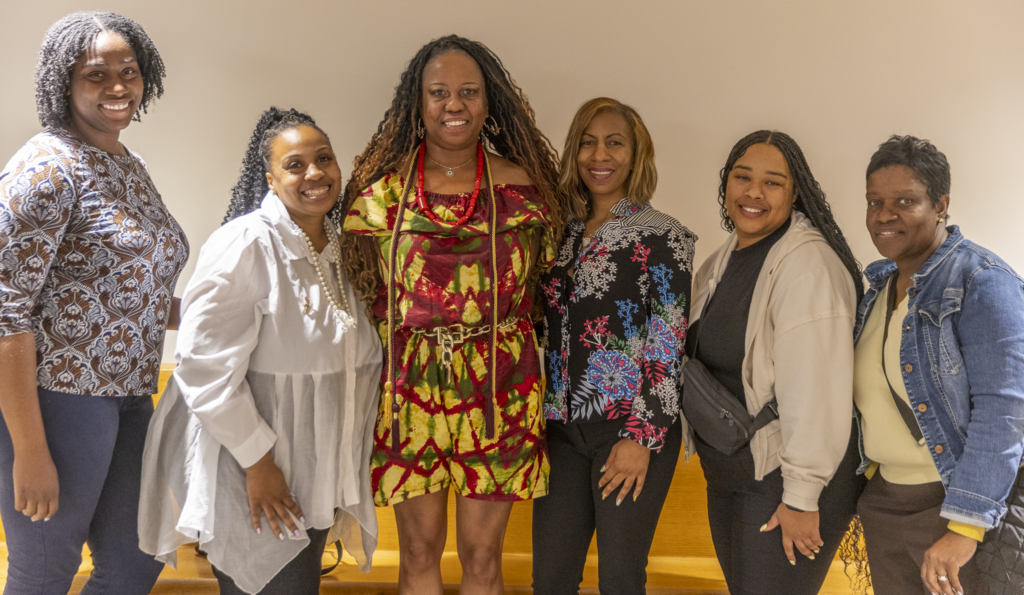
Dierdre Lockett’s research connected global and local systems of power in a project examining how religion, government, and capital have shaped systems of extraction and resistance across history. Her work specifically linked political and socio-cultural dynamics in St. Louis to movements for sovereignty and change in the Sahel region of Africa.
“I wanted to explore how structures of power repeat across different places and historical moments,” Lockett said. “Connecting St. Louis to the Sahel helped me think about resistance, identity, and community on both local and global levels.”
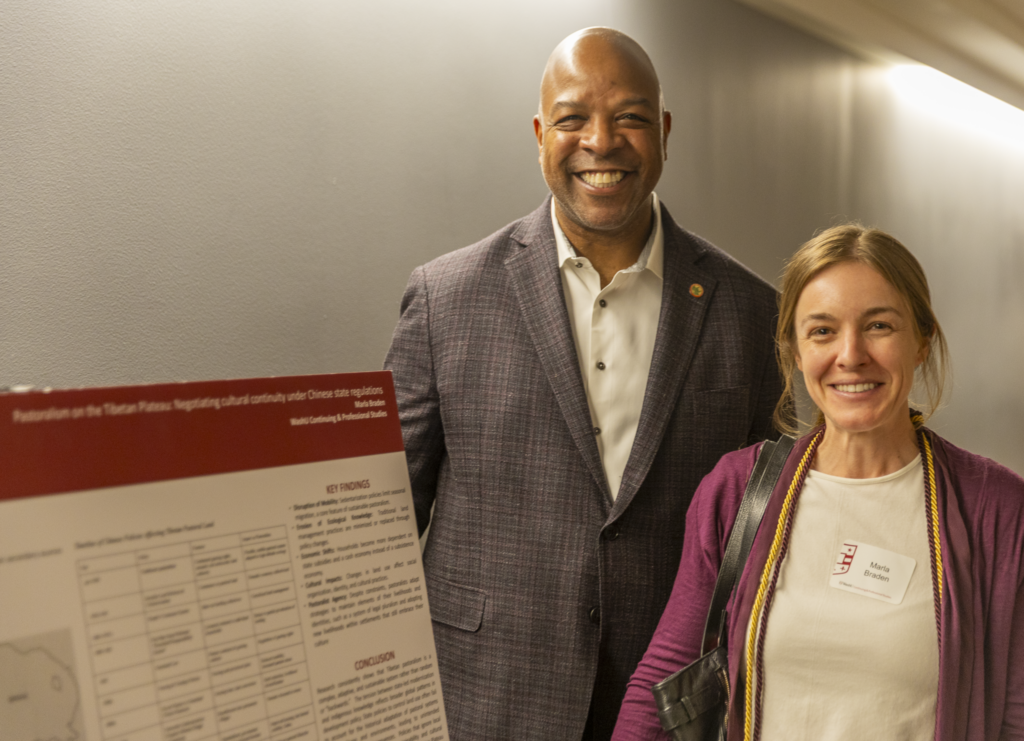
Marla Braden presented research on Chinese state policies affecting Tibetan pastoralist communities and examined the ways these communities maintain cultural continuity amid political and economic pressures.
“My project focused on how Tibetan pastoralists preserve cultural identity despite ongoing structural challenges,” Braden explained. “I was especially interested in how traditions adapt while still maintaining continuity across generations.”

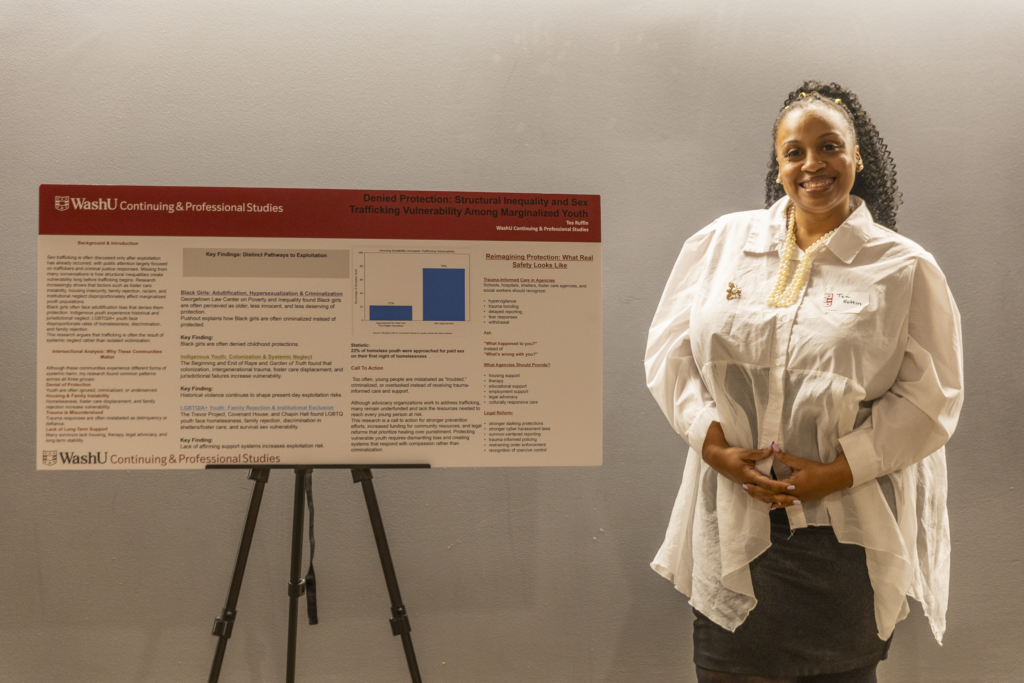
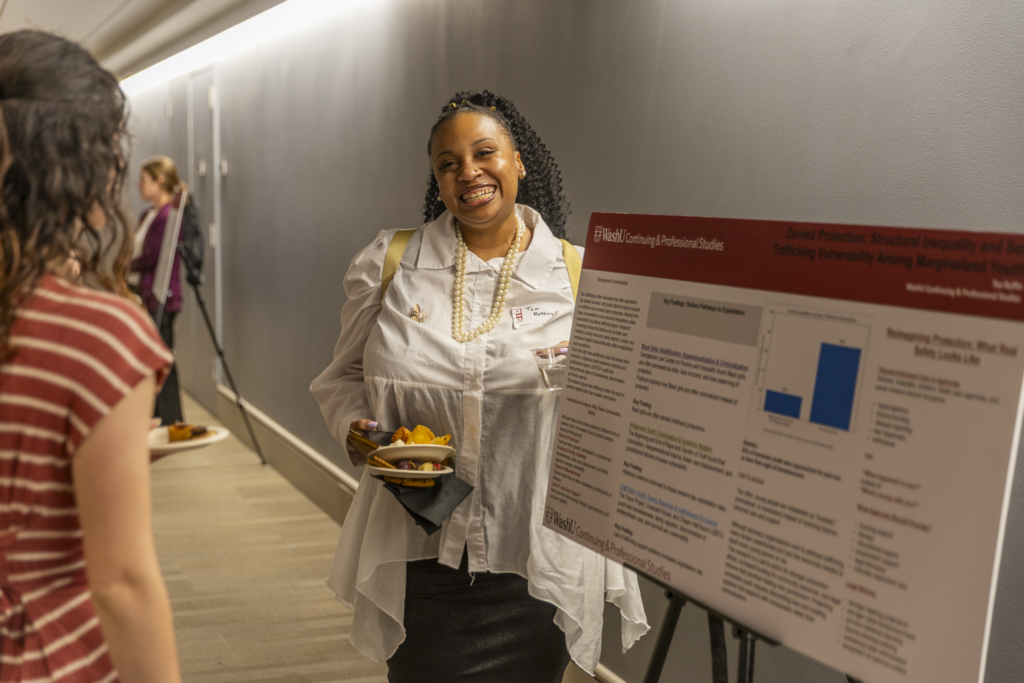
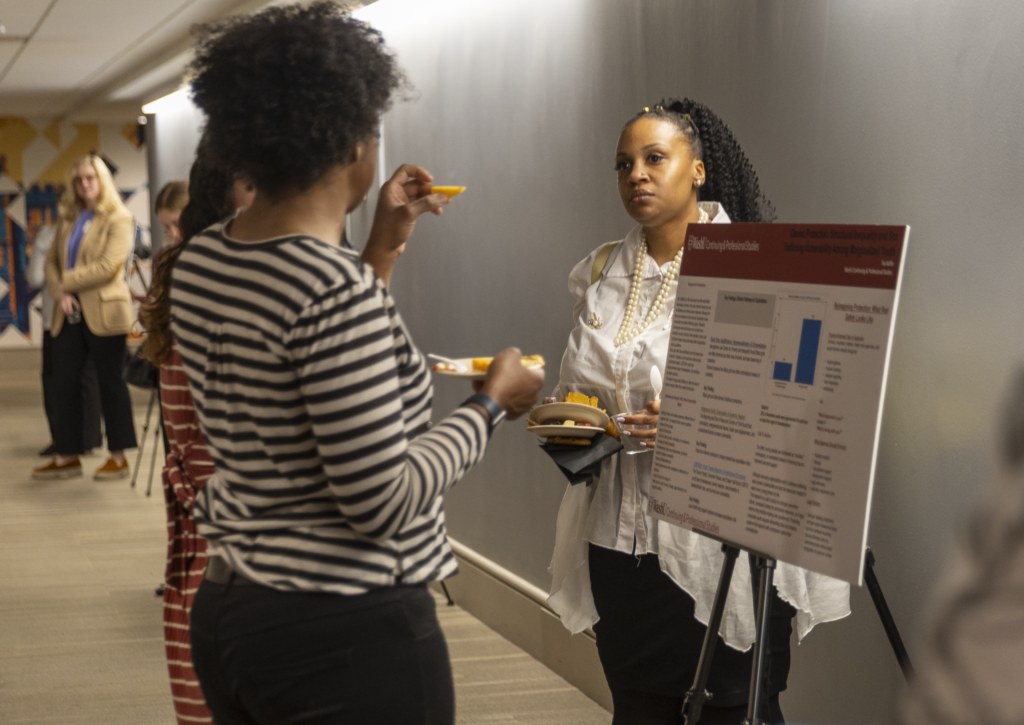
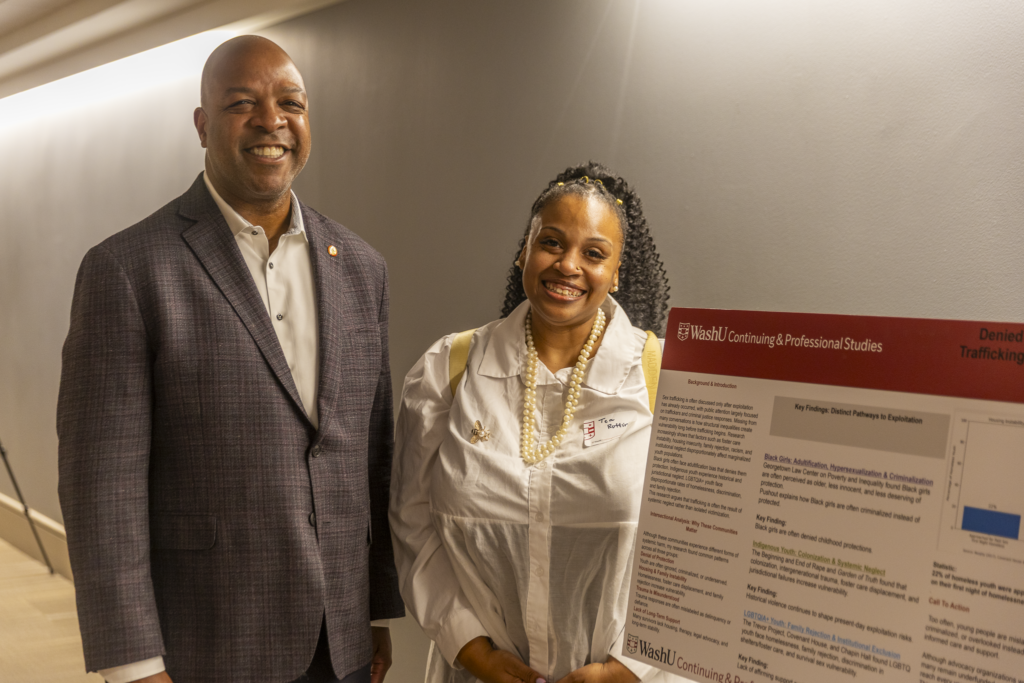
Tea Ruffin’s project addressed the systemic inequalities that contribute to sex trafficking, focusing on the social and economic conditions that increase vulnerability.
“Sex trafficking cannot be understood as an isolated issue,” Ruffin said. “My research examined the structural inequalities—poverty, housing insecurity, discrimination, and lack of resources—that create conditions where exploitation becomes possible.”
Honors and Research Night highlighted more than academic achievement—it demonstrated how curiosity, professional experience and lived perspective come together at WashU CAPS to produce research grounded in both purpose and application. The evening reflected a growing culture of scholarship shaped by modern learners exploring questions with real-world relevance.