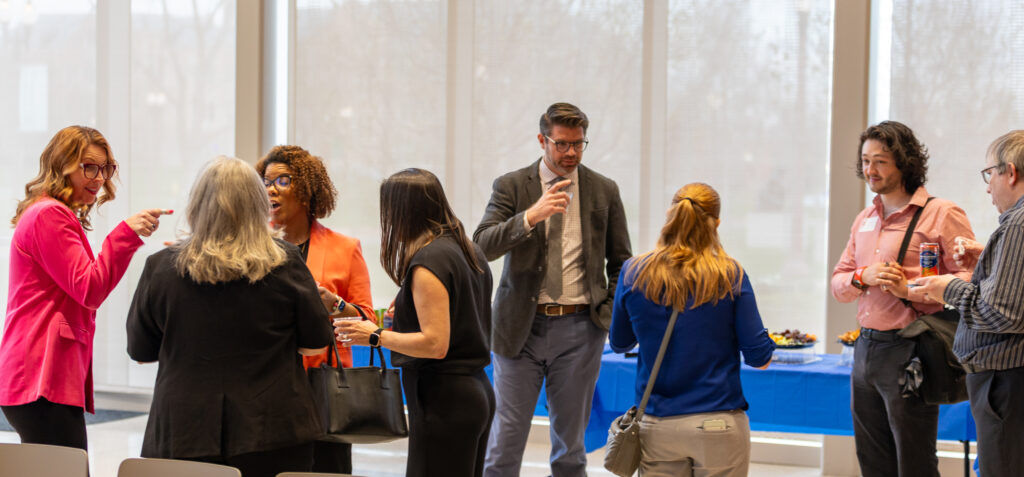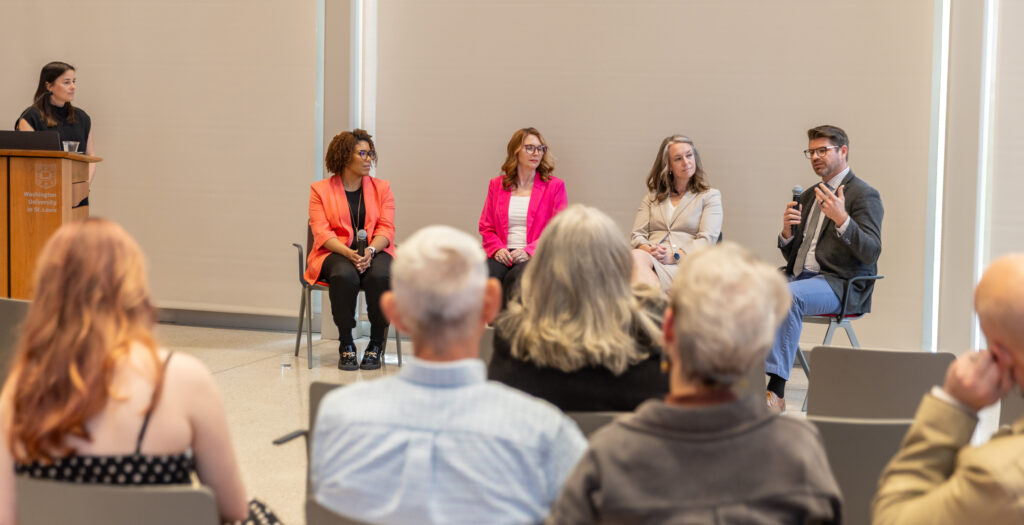
Students at WashU Continuing & Professional Studies (CAPS) gained practical insight into nonprofit and human resources careers at Purpose & People: Career Connections in Nonprofit and Human Resources. Panelists emphasized that meaningful careers are built through relationships, adaptability and a clear sense of purpose.
“Purpose & People reflects CAPS’ commitment to connecting students with professionals and perspectives that translate directly into career growth,” said Dean Sean Armstrong. “When students can hear how these paths actually unfold, they are better equipped to move forward with confidence.”
Throughout the discussion, panelists returned to a central idea: while technology is changing how work is done, success in these fields remains rooted in people.
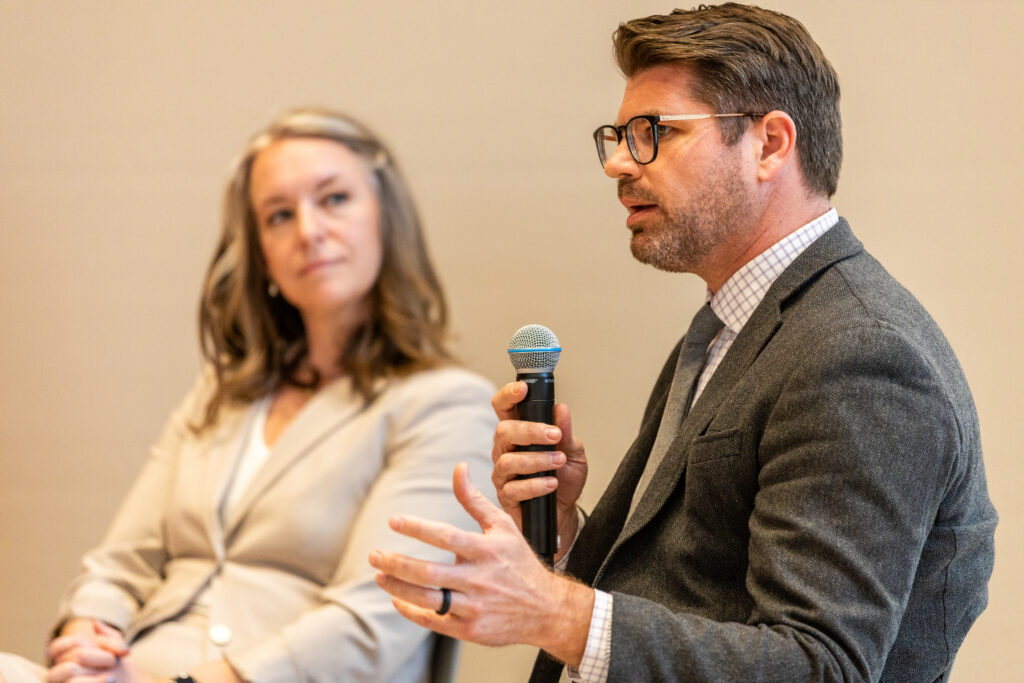
“You need to be able to relate and use those tools to really build up your team and build up the day-to-day experiences that people are going through,” said Brendan Dusha, board member of SHRM of Greater St. Louis and Director of Sales and Operations at ABIG.
He emphasized that technical skills must be paired with strong interpersonal awareness.
At the same time, speakers noted that organizations are becoming more data-driven, requiring professionals to think strategically about outcomes and impact.
“It doesn’t matter how fast that wheel spins—you need it to actually move the car forward,” said Julie Erickson, CAPS Nonprofit Management faculty member and Chief Operating Officer of the St. Louis American, underscoring the shift from activity-based work to measurable results.
That focus on outcomes carried into advice for students preparing to enter or advance in the field.
Dusha encouraged students to clearly communicate their value using a simple framework: “What was the problem, what did you do and what were the results.”
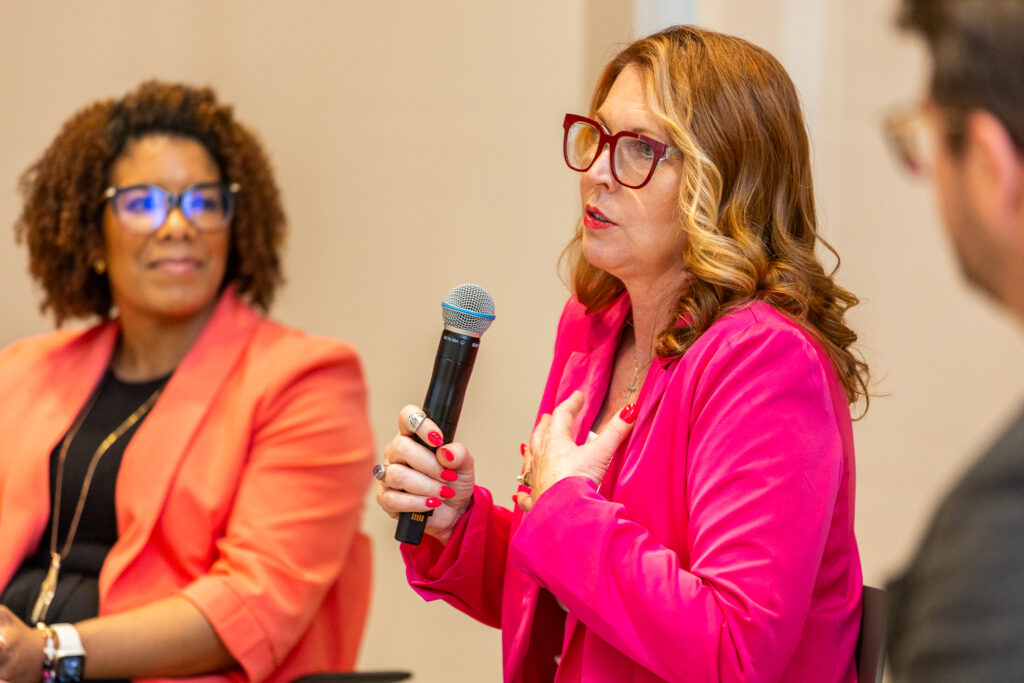
Heather Blue, a CAPS Master of Arts in Nonprofit Management graduate and Director of Marketing Strategy at Prison Fellowship, said she began her career in for-profit marketing before transitioning into the nonprofit sector through the CAPS program. For her, the shift was rooted in purpose.
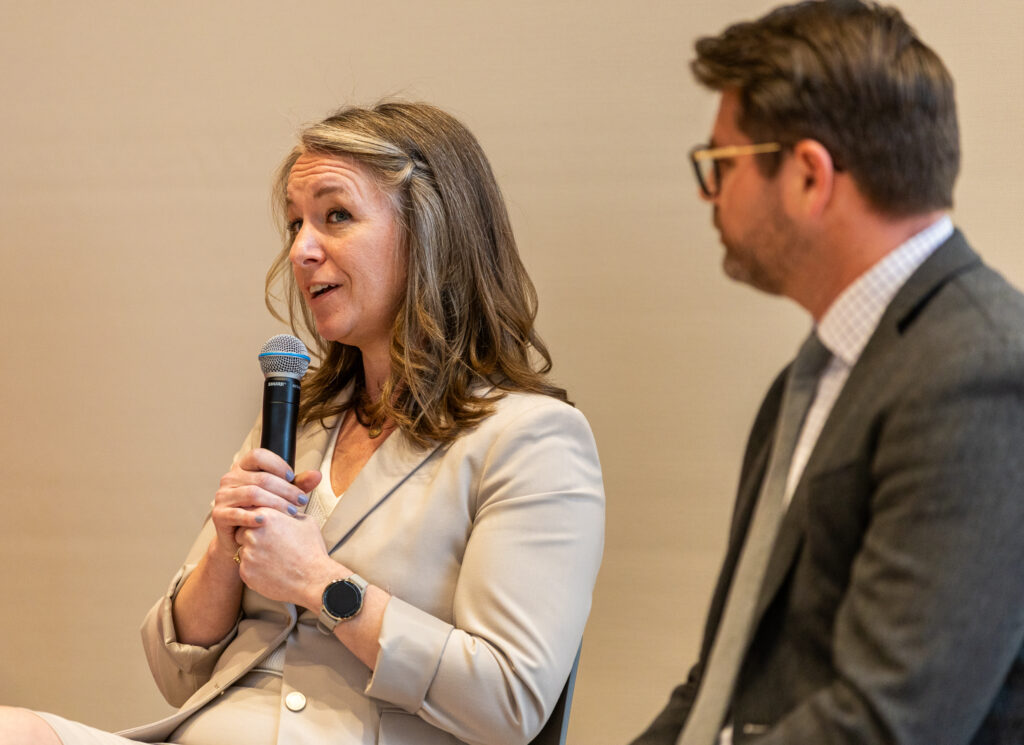
“What drew me to the nonprofit sector is being able to wield my superpower for good,” Blue said. That perspective continues to shape how she approaches her work and her advice to students. “Execute your role every day as if you were a leader,” she said.
Panelists also emphasized that growth often comes from stepping into unfamiliar spaces and contributing new ideas.
“Bring that different perspective and don’t be afraid to say, ‘I saw this somewhere else’ or ‘what if we tried this,’” said Neosha Franklin, CAPS Nonprofit Management faculty member and CEO of Community Impact Network. “That’s how you create more impactful outcomes.”
A defining theme of the evening was the long-term value of networking—not as a transactional activity, but as a sustained approach to building relationships.
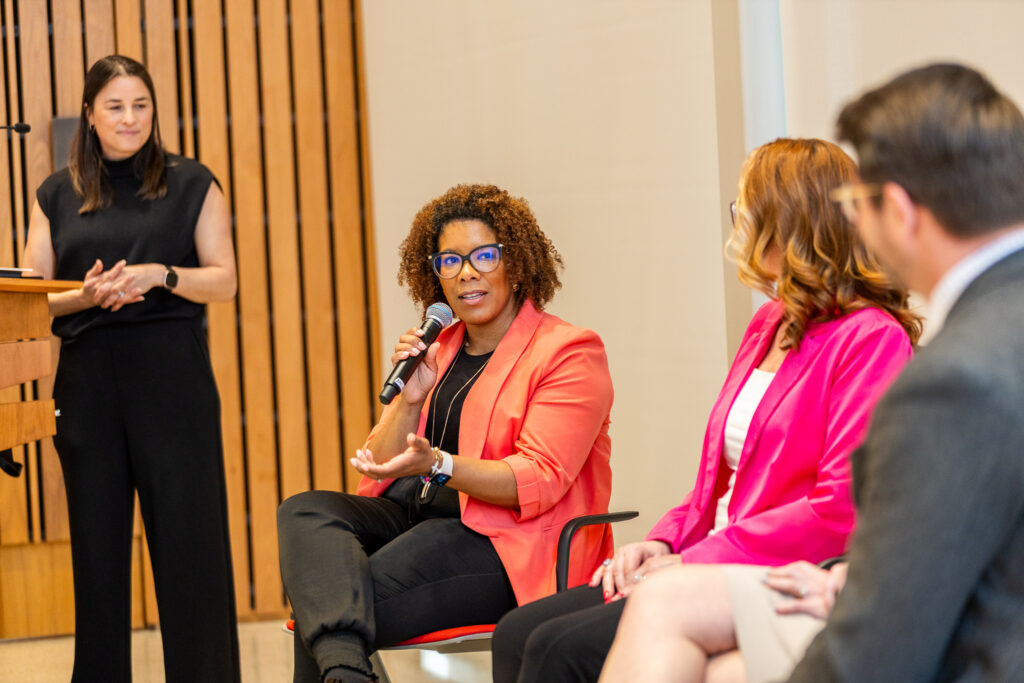
“So I haven’t searched for jobs since 1993, the reason is networking,” Erickson said, pointing to a career built through consistent connection, authenticity and a willingness to help others.
Panelists encouraged students to approach networking with intention—focusing on a small number of meaningful connections, following up consistently and identifying ways to contribute, not just benefit.
“Find one or two people you really connect with and build from there,” Dusha said. “That’s what turns into real opportunity.”
The conversation also challenged common misconceptions about nonprofit work, emphasizing that mission-driven organizations require the same level of strategy, accountability and operational discipline as any business.
“You have to treat it like a business,” Franklin said. “You have to know what the numbers are and how the work is actually moving forward.”
Across each perspective, the message remained consistent: careers in nonprofit and human resources are not defined by a single path, but by a combination of skills, relationships and purpose.
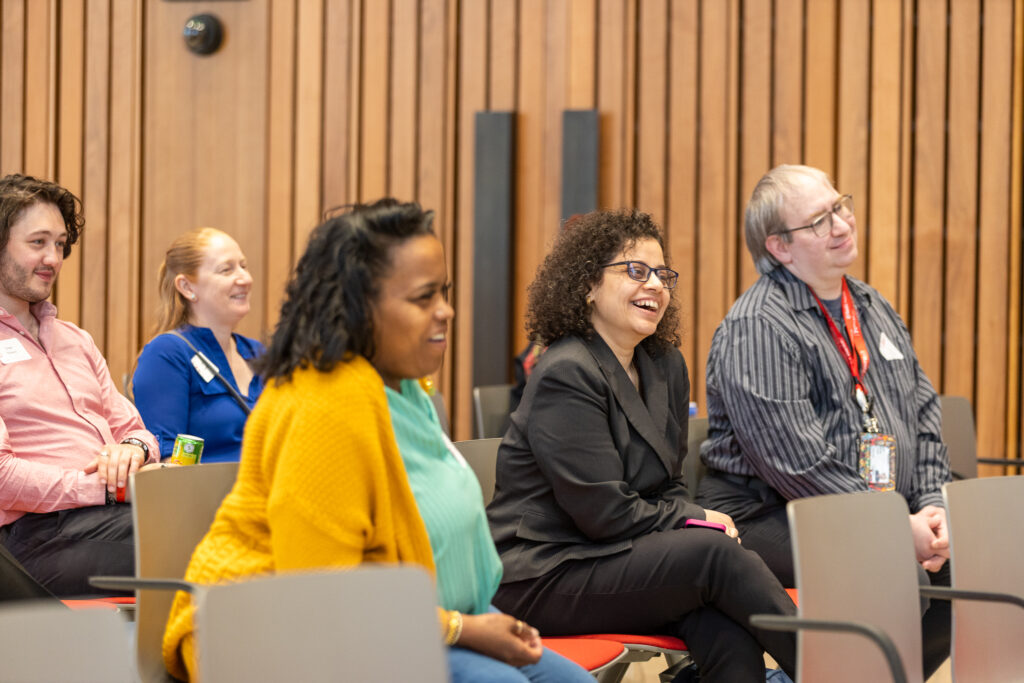
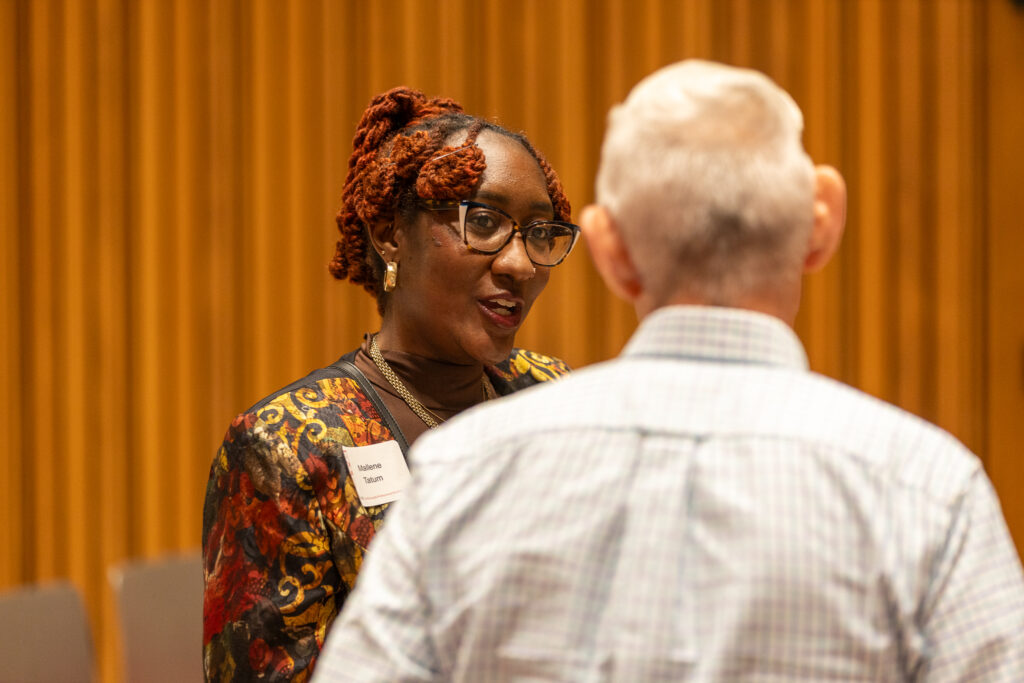
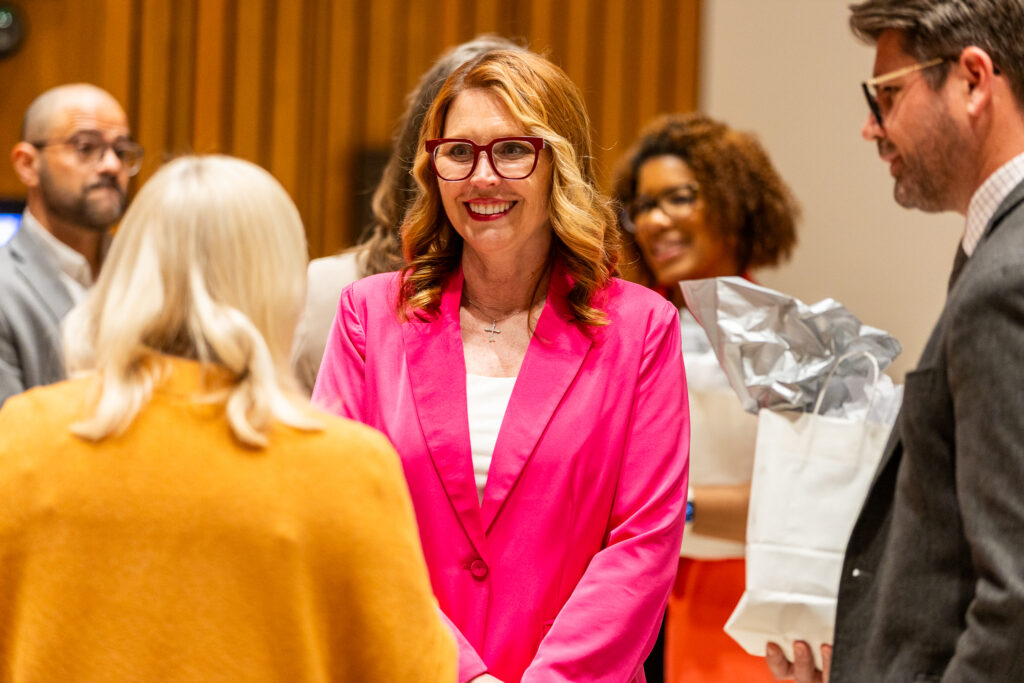
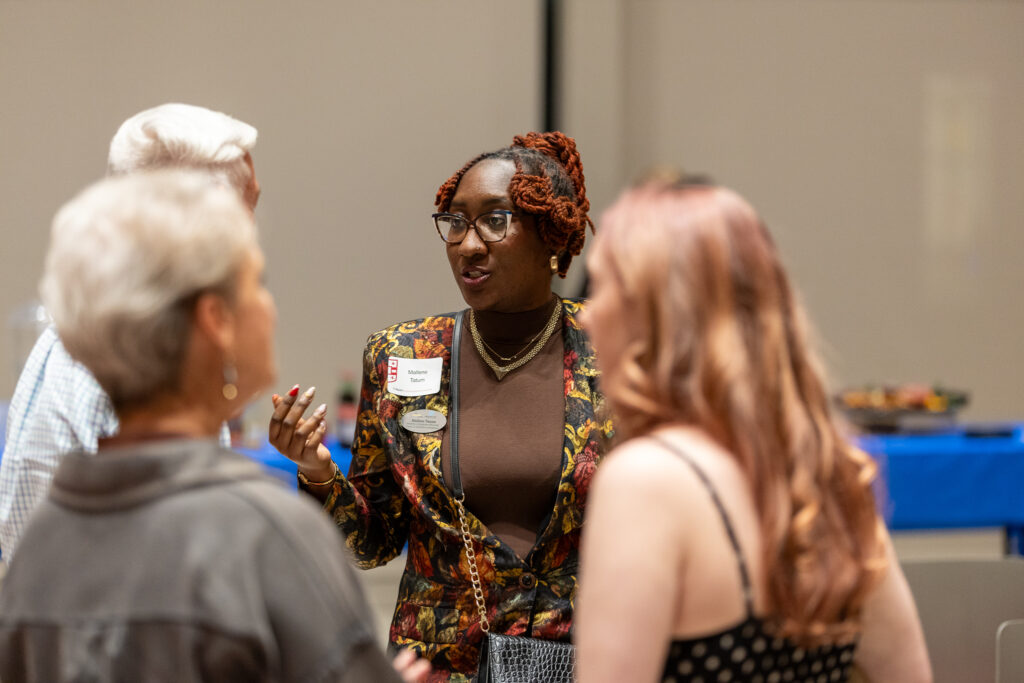
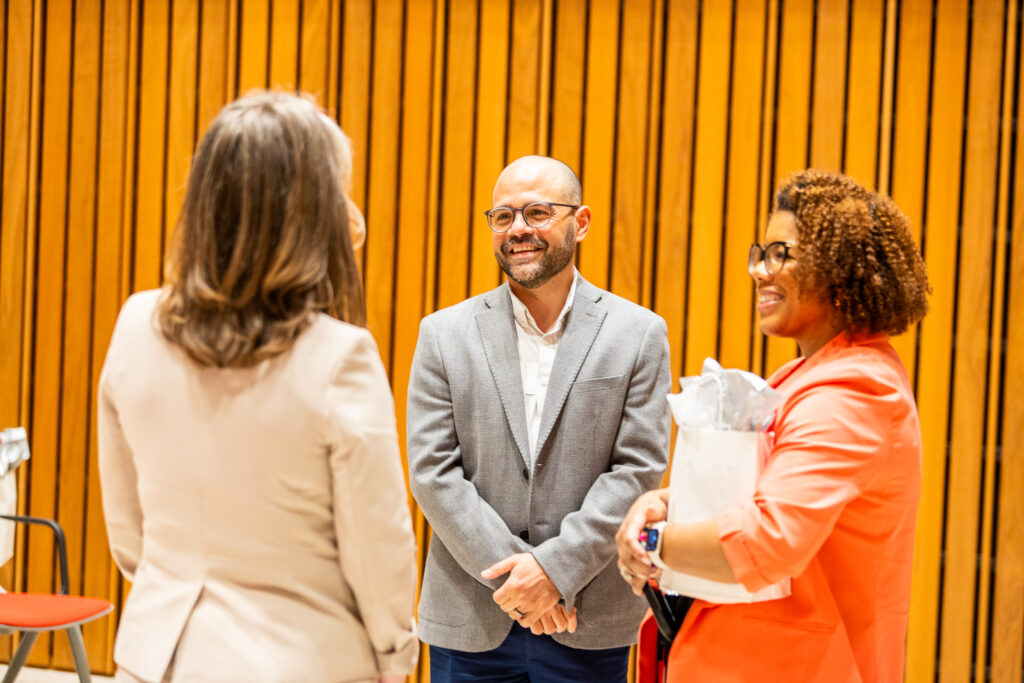
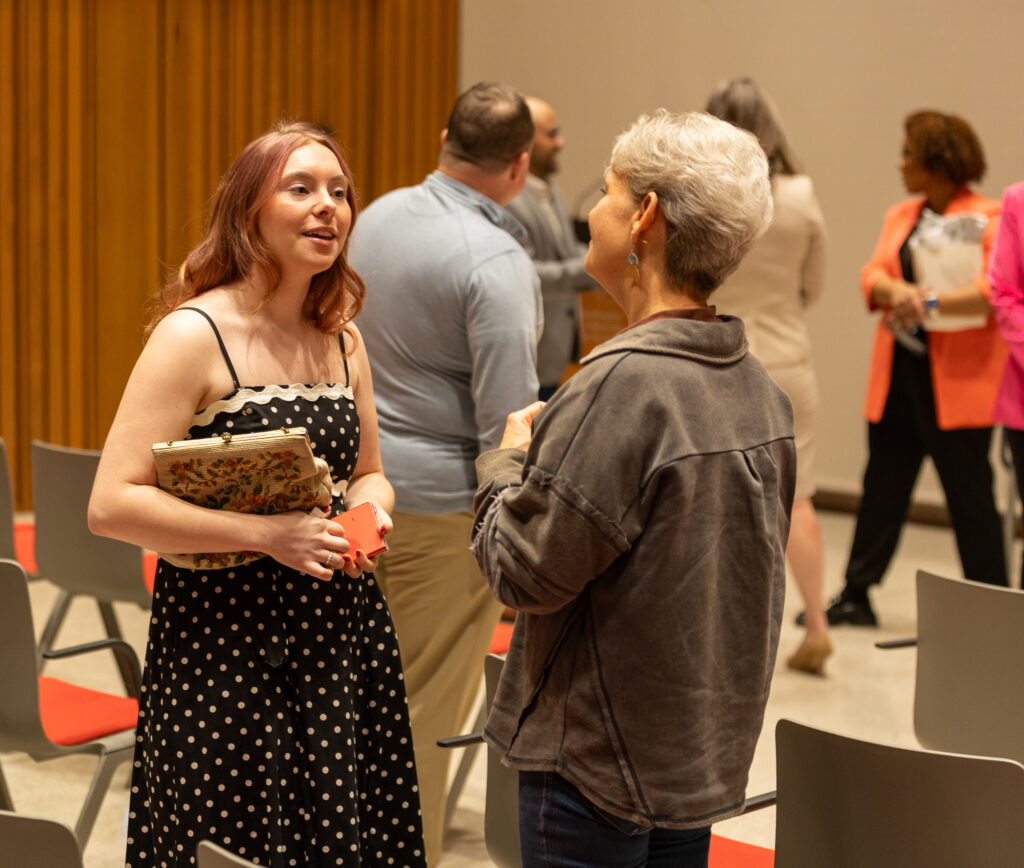
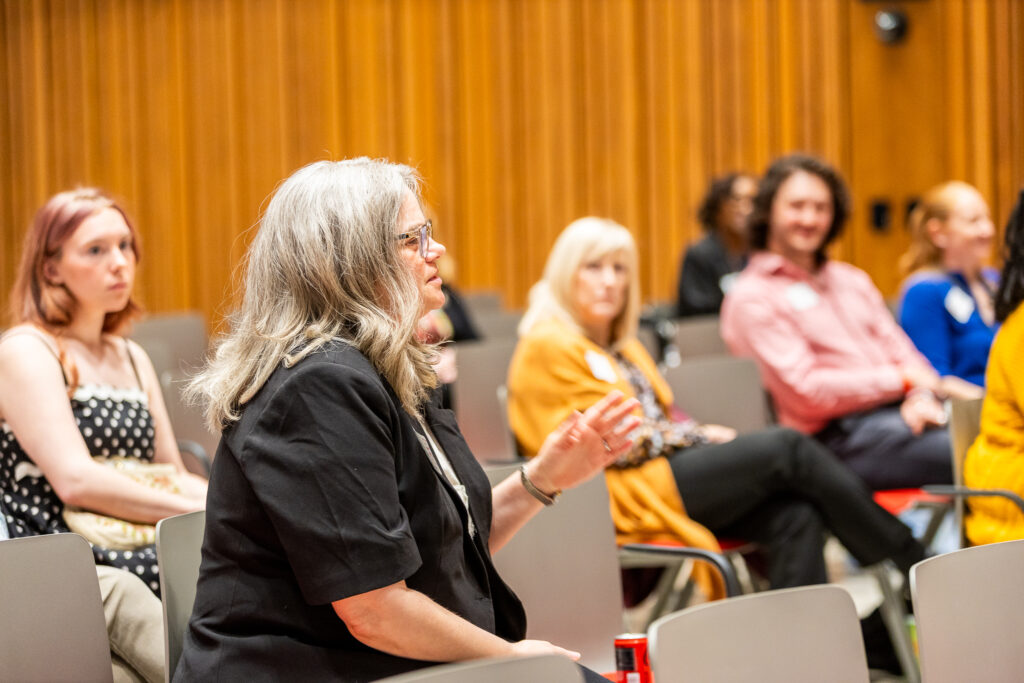
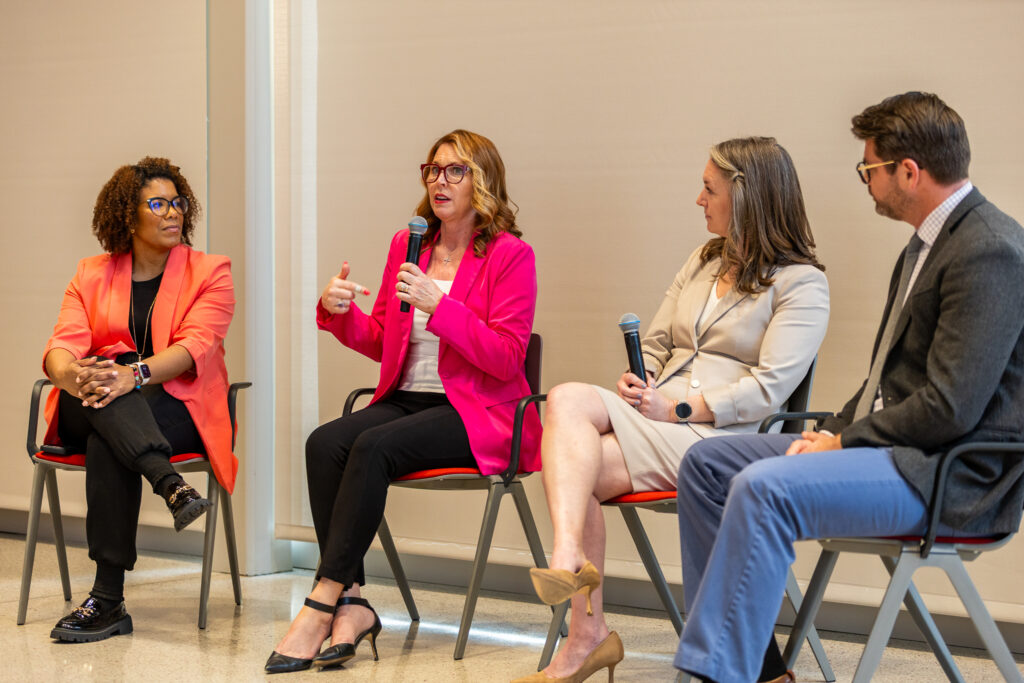
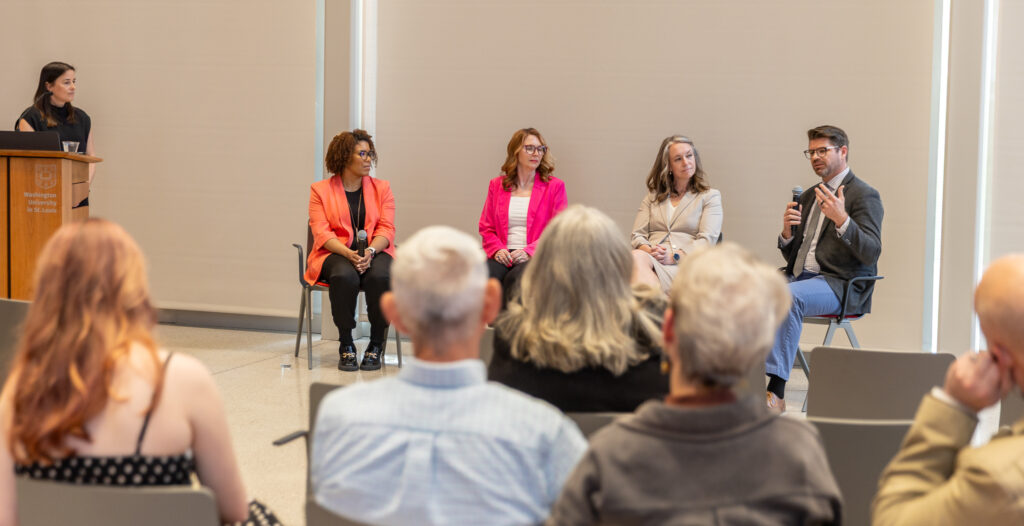
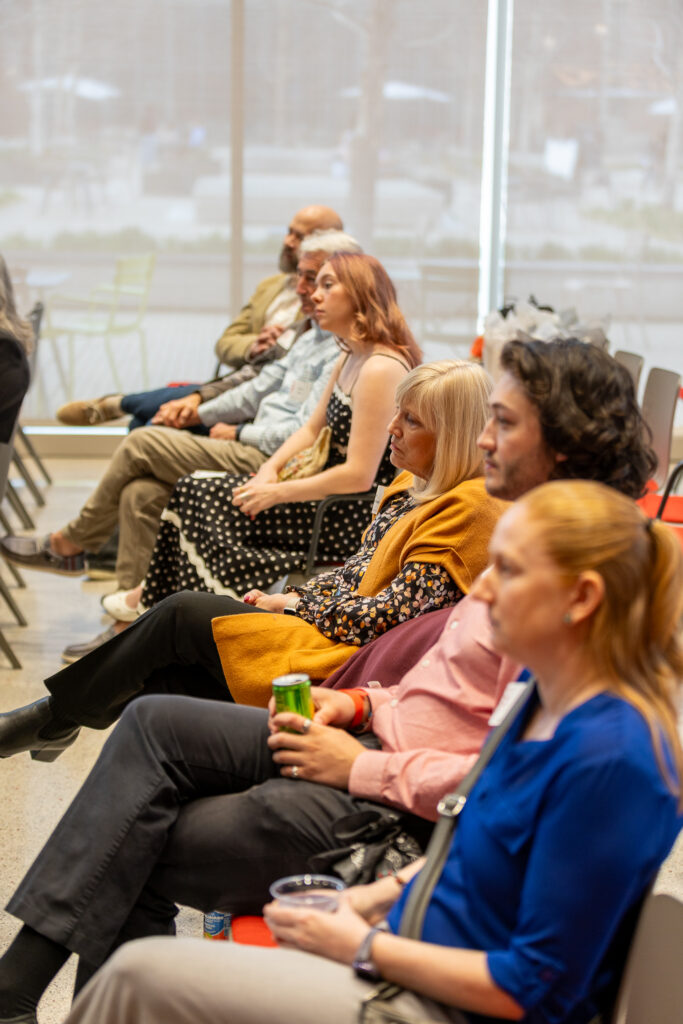
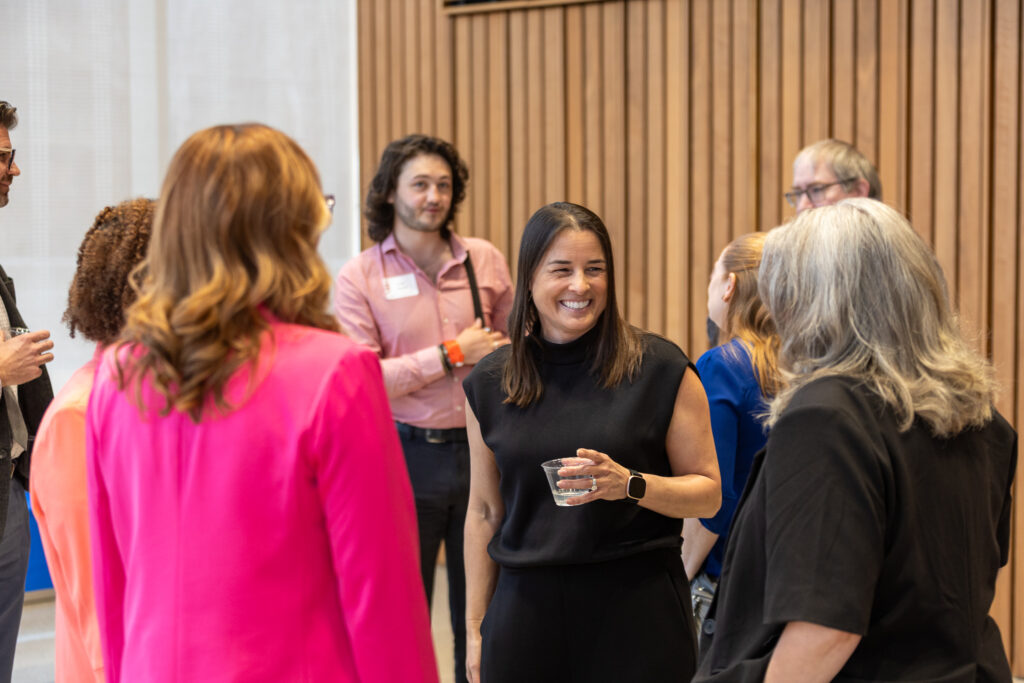
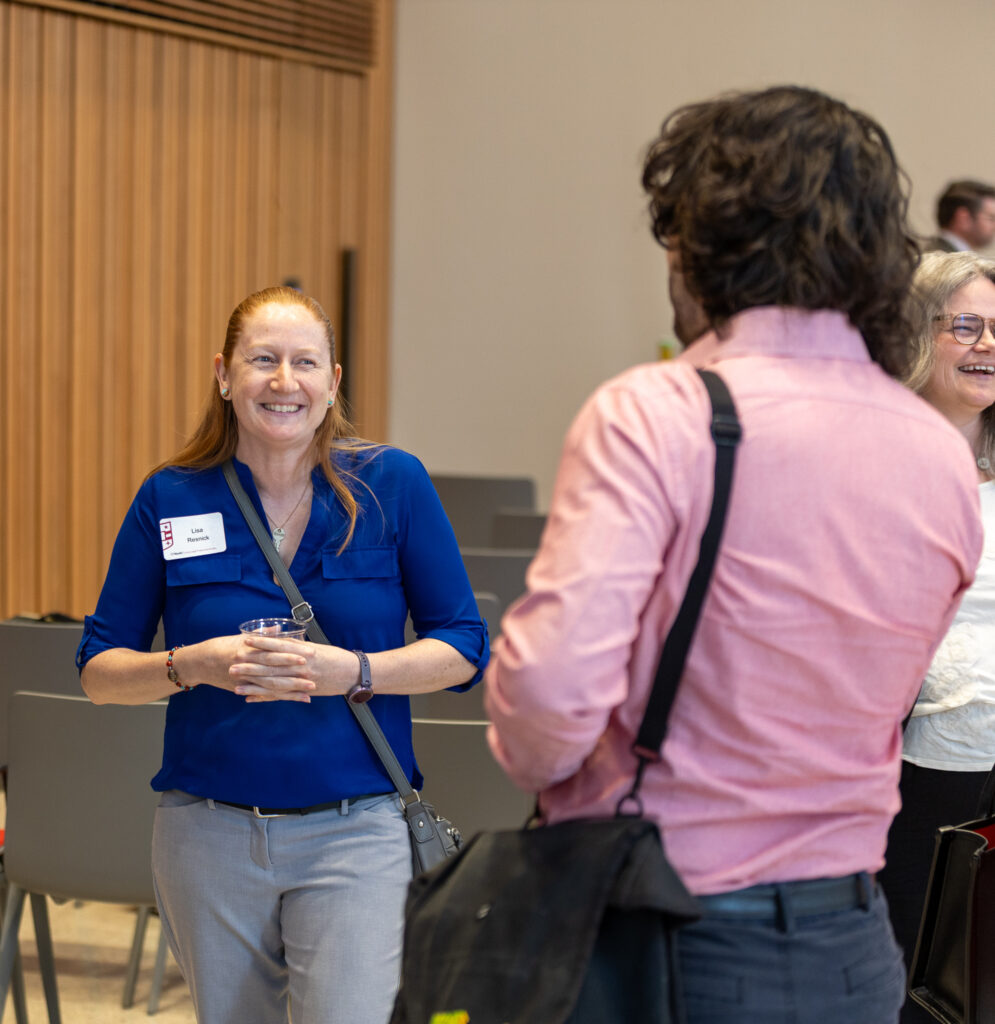
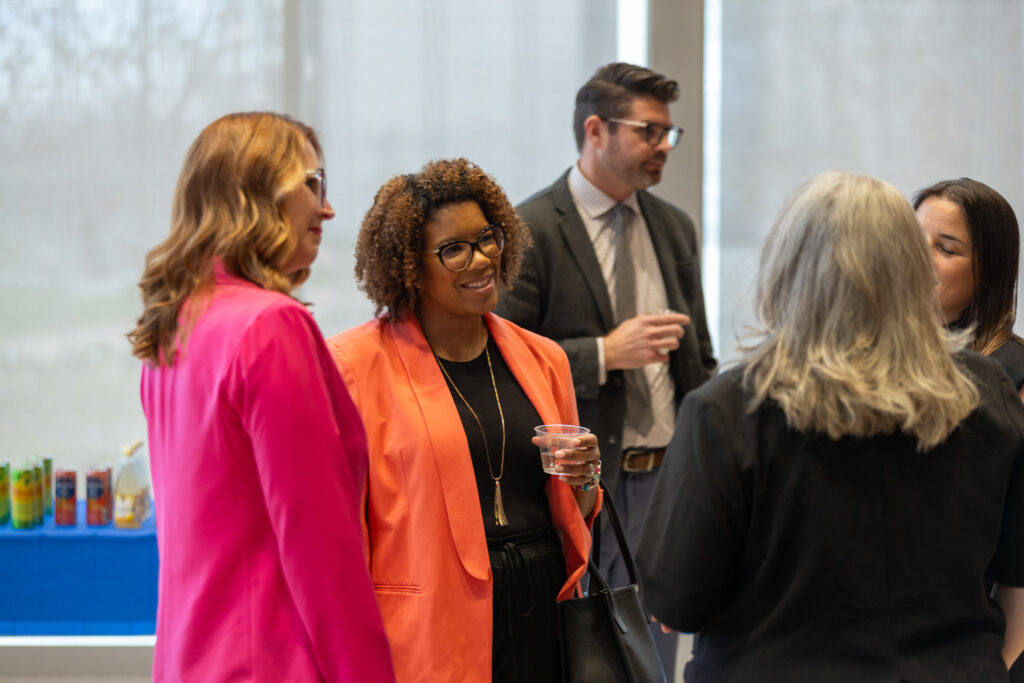
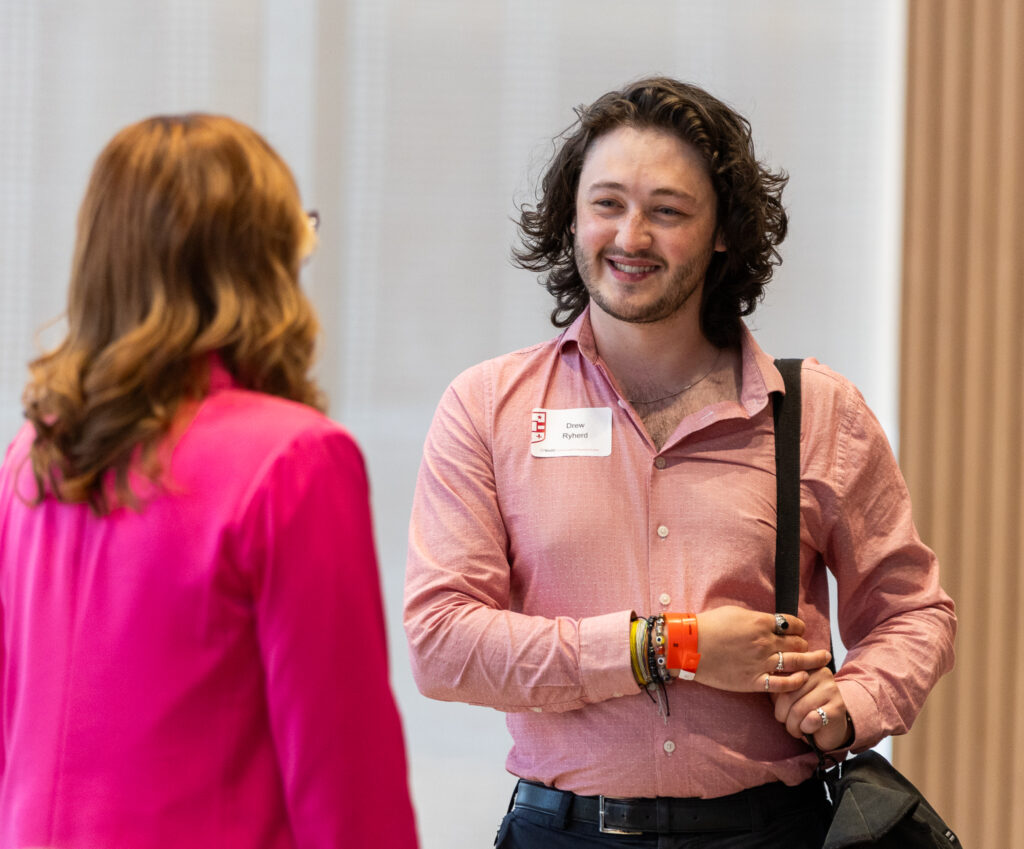
For CAPS students, Purpose & People reinforced how those elements come together—offering not just insight, but a clearer understanding of how to navigate and grow within people-centered careers.