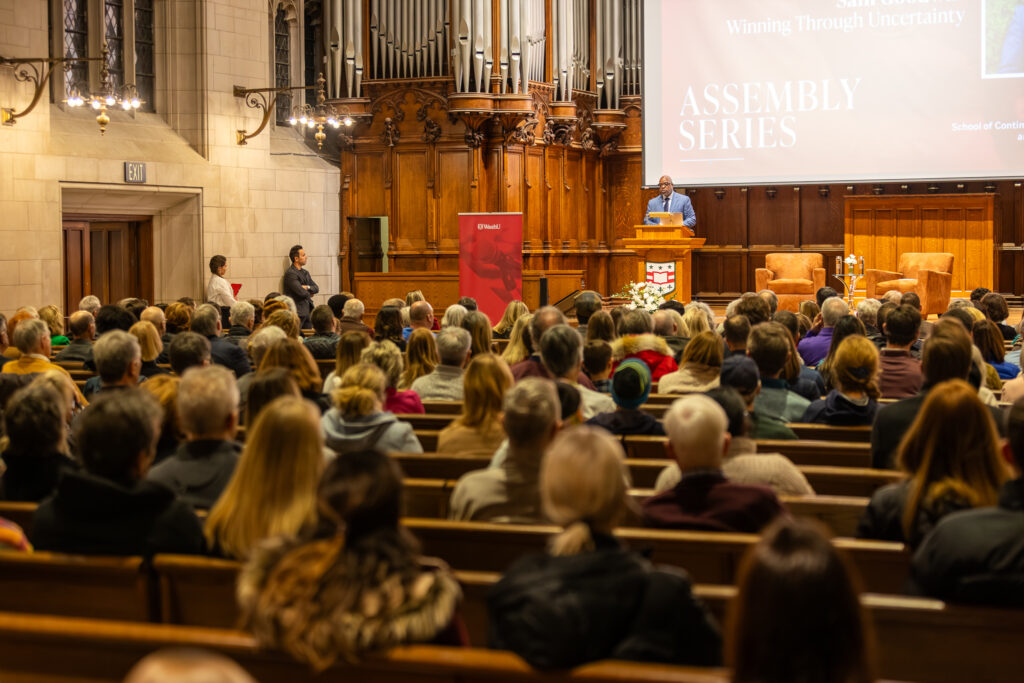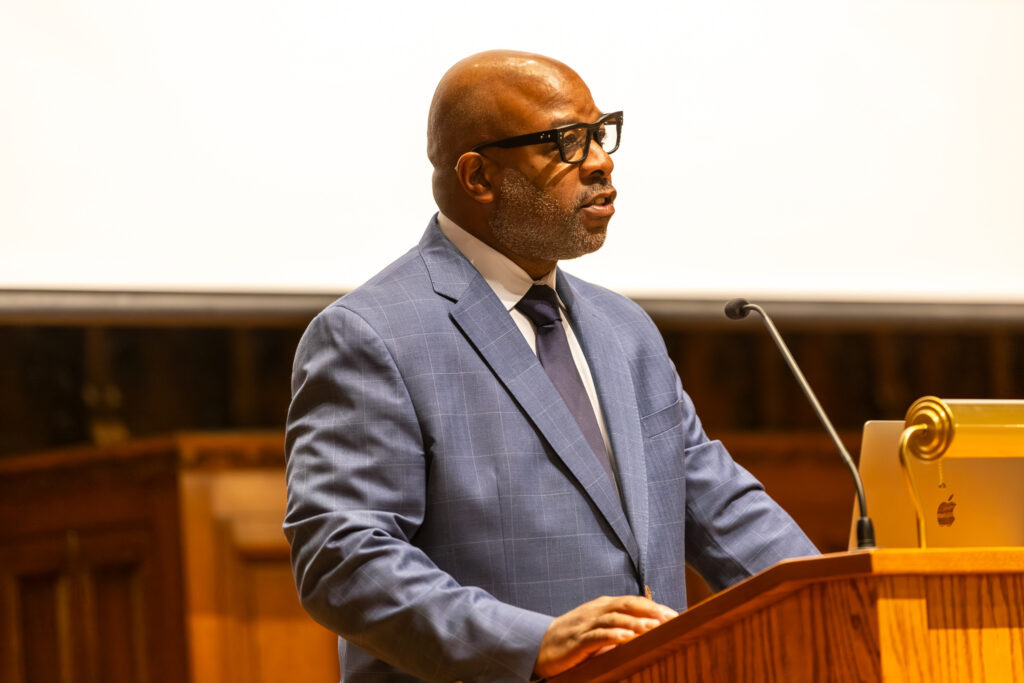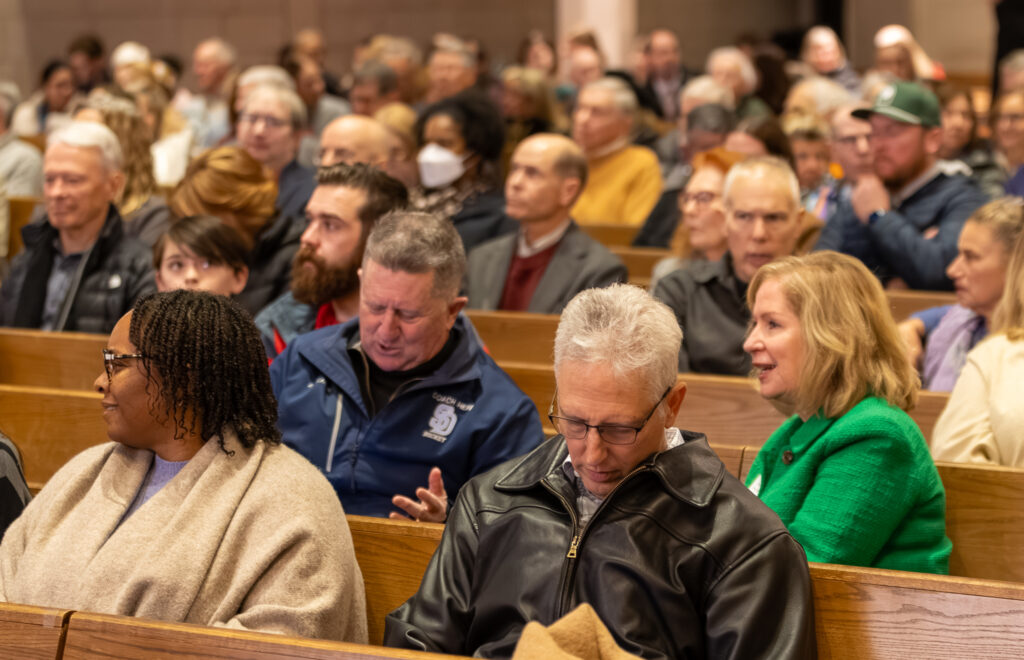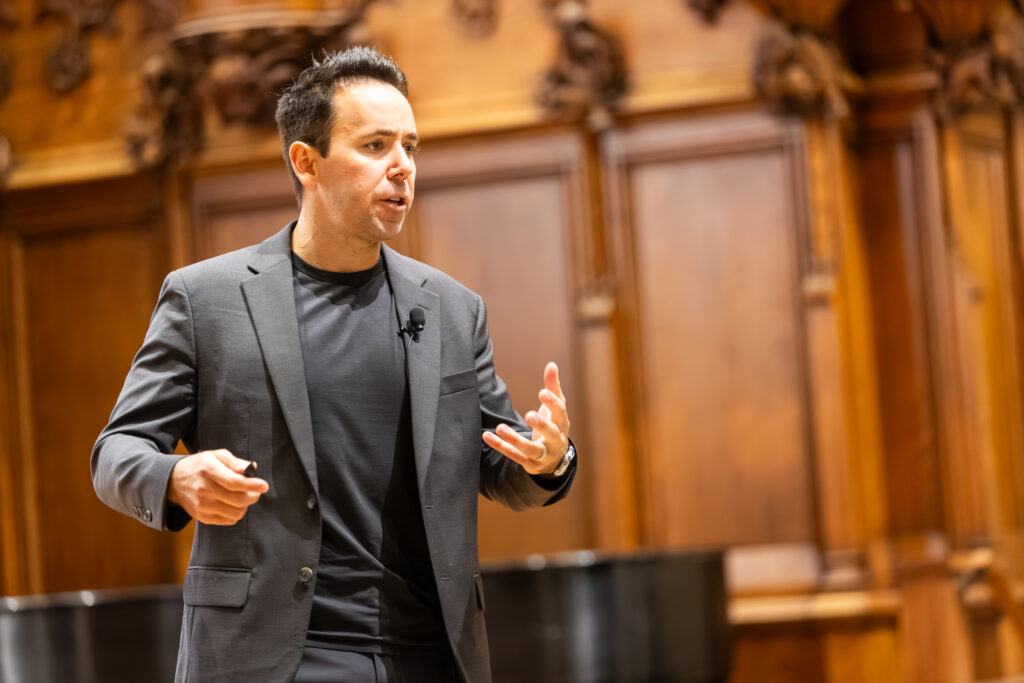
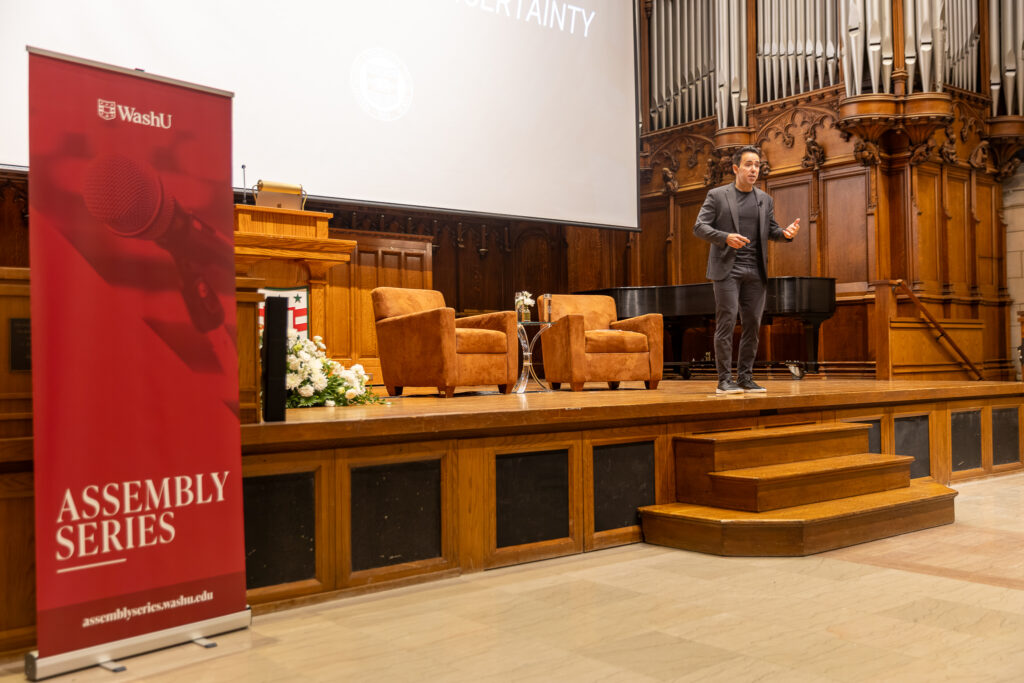
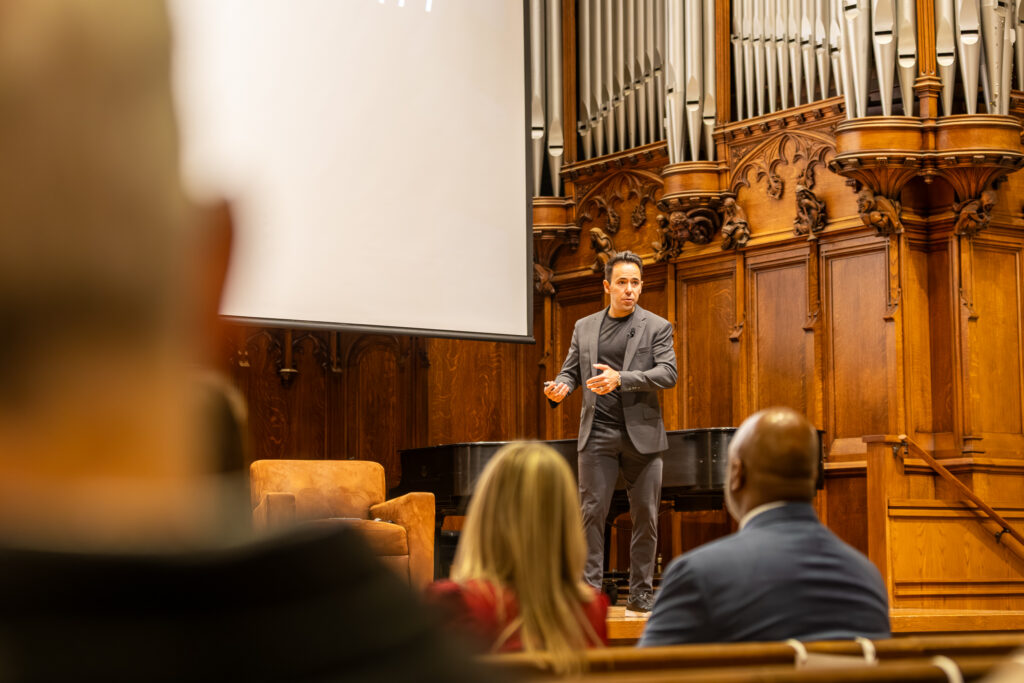
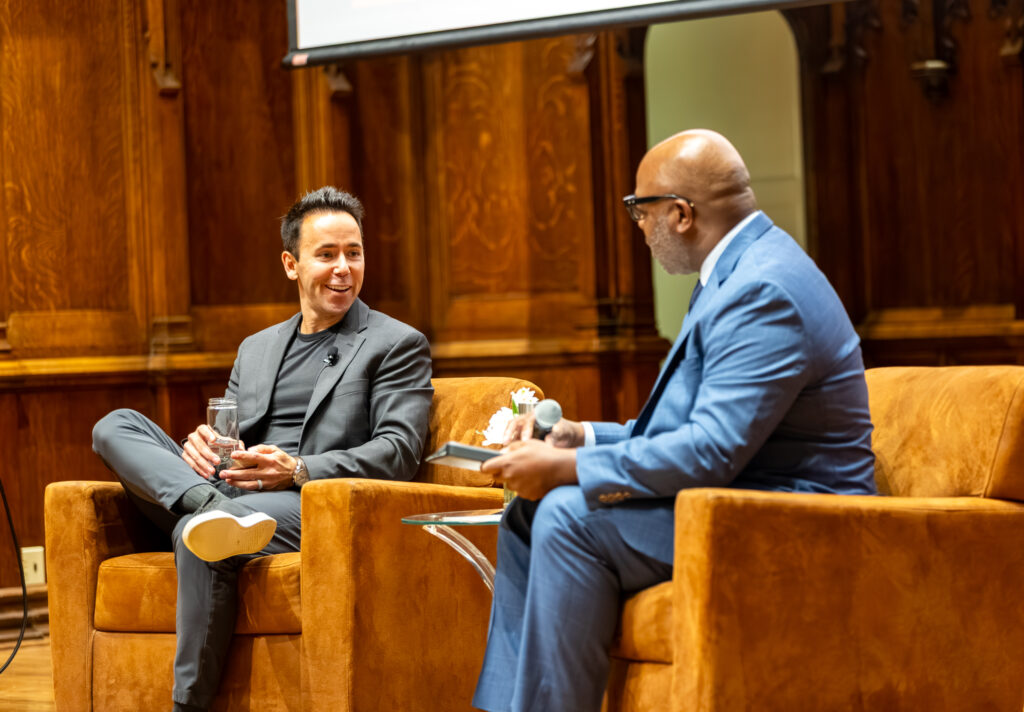
Surrounded by friends, family and over 300 attendees, Sam Goodwin paced silently beneath the historic Graham Chapel stained glass. Four steps forward, four steps back. Four steps forward, four steps back.
As Sam silently recreated the windowless prison cell he was held in for 63 days after being falsely captured by the Syrian Assad regime, the audience waited in hushed anticipation to learn what his captivity could teach them about navigating the most volatile uncertainties of our modern world.
The most poignant moment of his WashU Assembly Series presentation, “Winning Through Uncertainty,” came when Sam described the psychological exhaustion of his imprisonment.
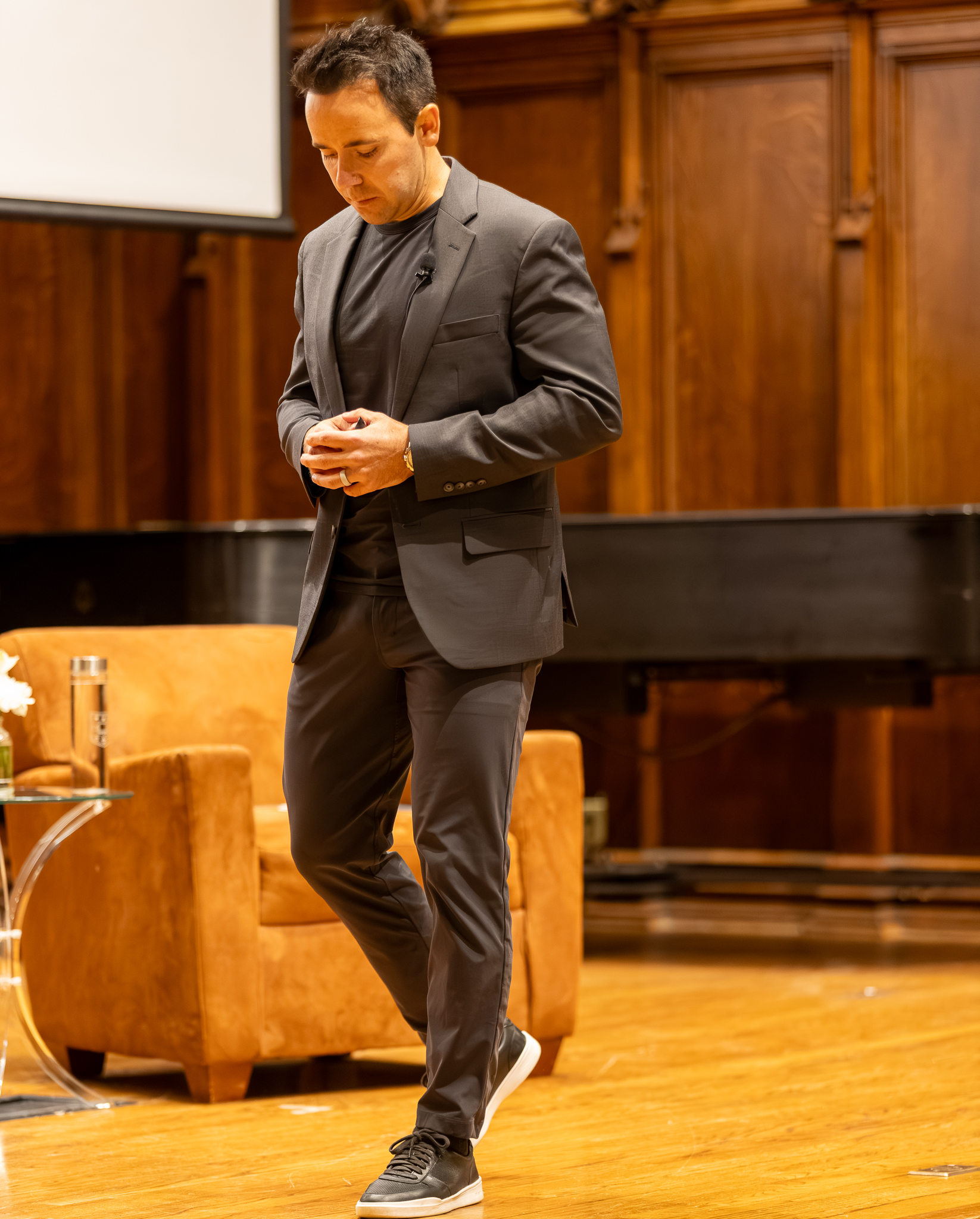
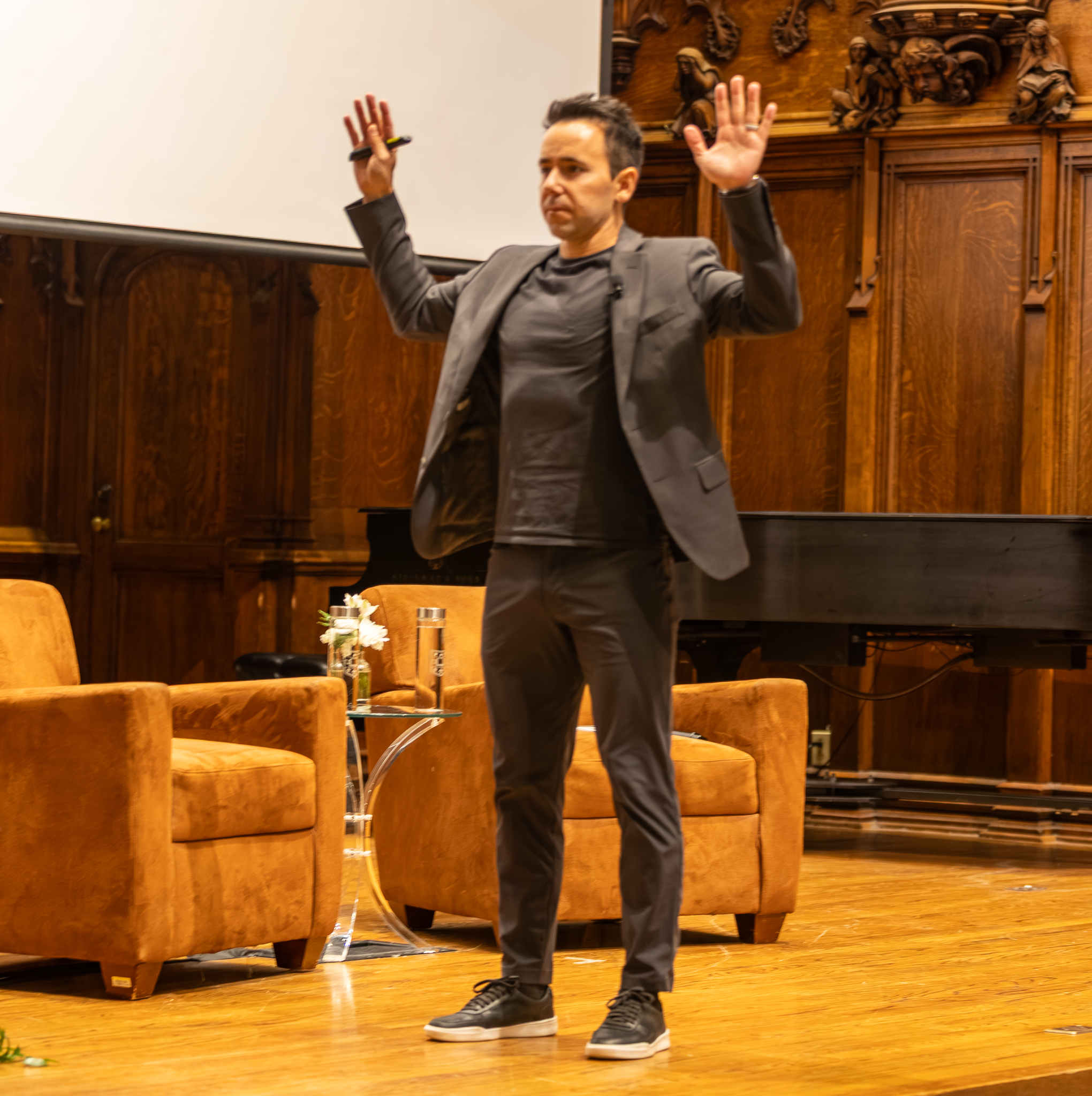
“I began to lose the energy to be afraid,” he shared. It was in that moment of total surrender to his circumstances that sparked his Post-Traumatic Growth (PTG)—the profound realization that deep trauma can be the catalyst for an even deeper strength.
A Strong Support System
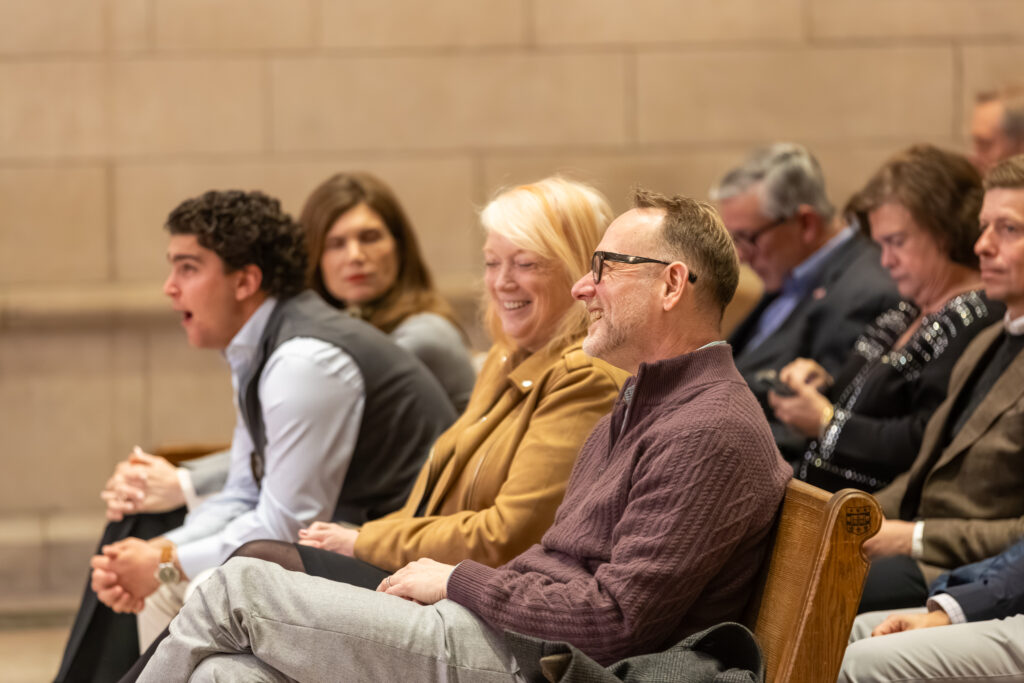
Seated throughout the Chapel were the people in his life who experienced the nightmare alongside Sam, though from a distance.
The magnitude of his experience was etched on the faces of his family and friends, who appeared at times to still be grappling with the secondary trauma of those 63 days of uncertainty.
His father, Tag, sat with a stoic but visible intensity, a reminder of the relentless advocacy required to bring a son home. Supporting Sam was his new wife, Natasha, representing a chapter of hope and new beginnings, yet standing as a witness to the long road of recovery.
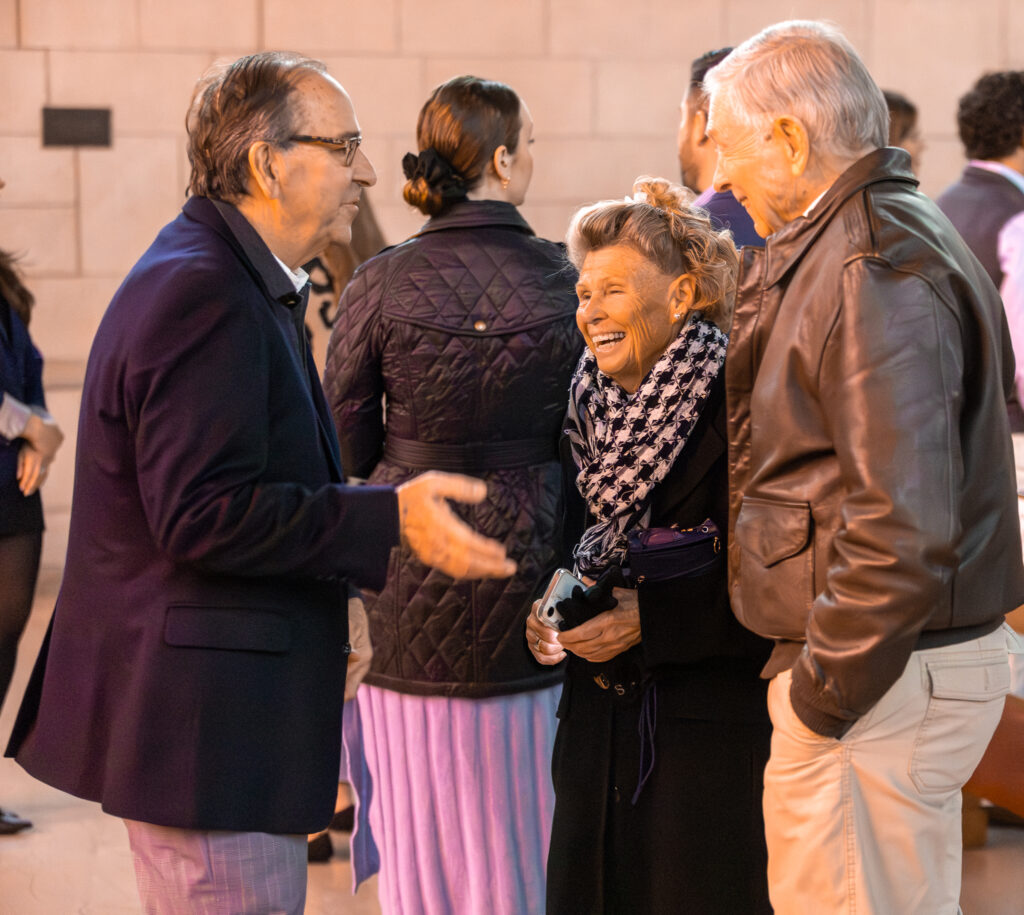
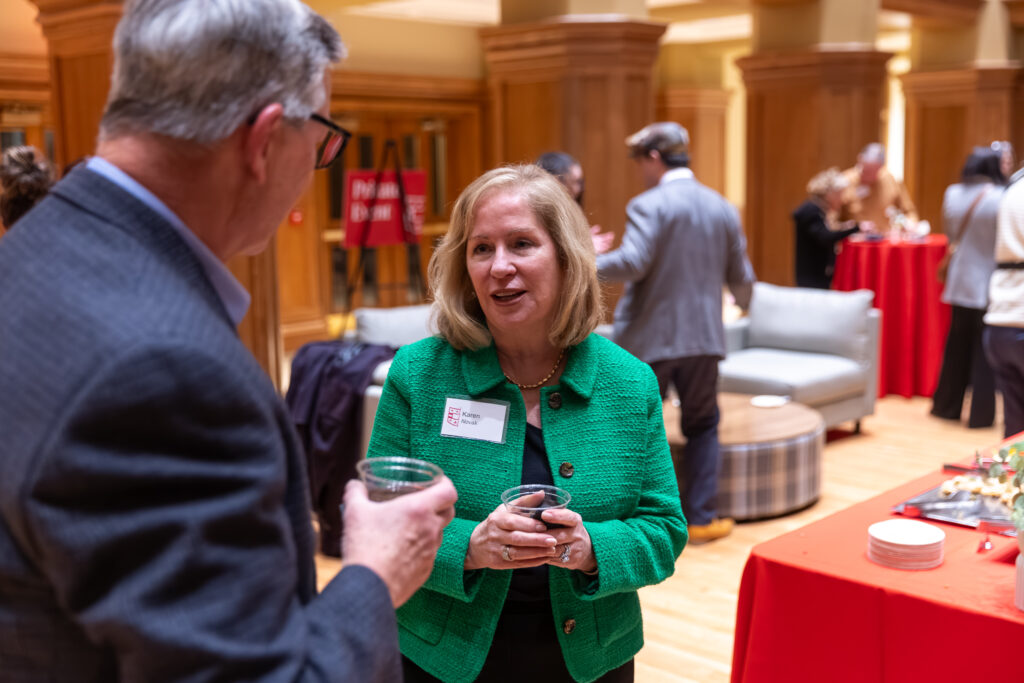
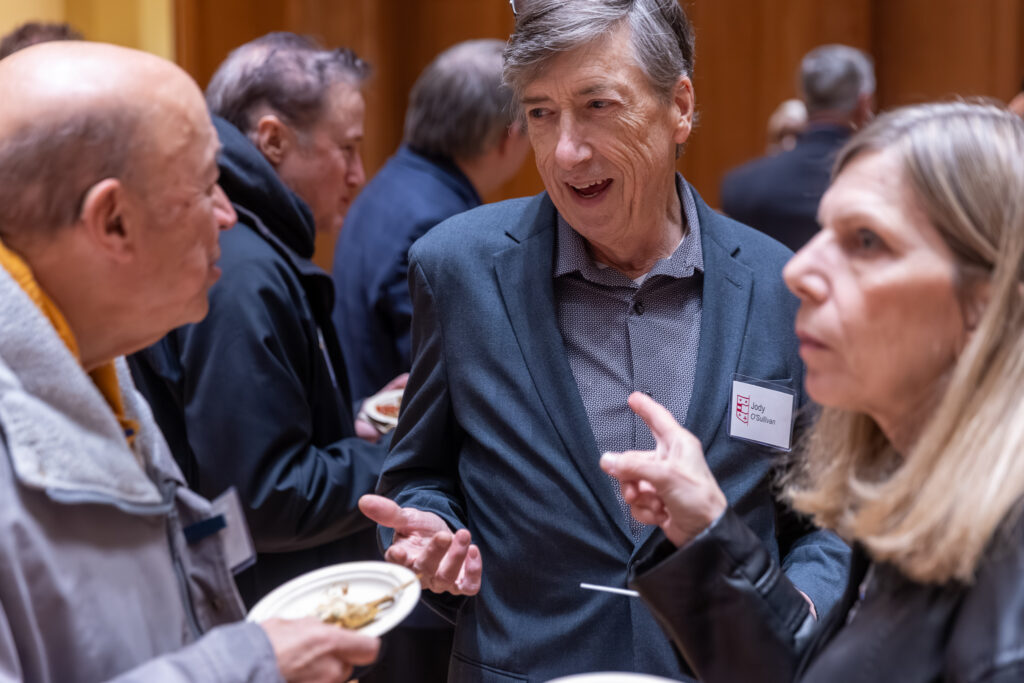
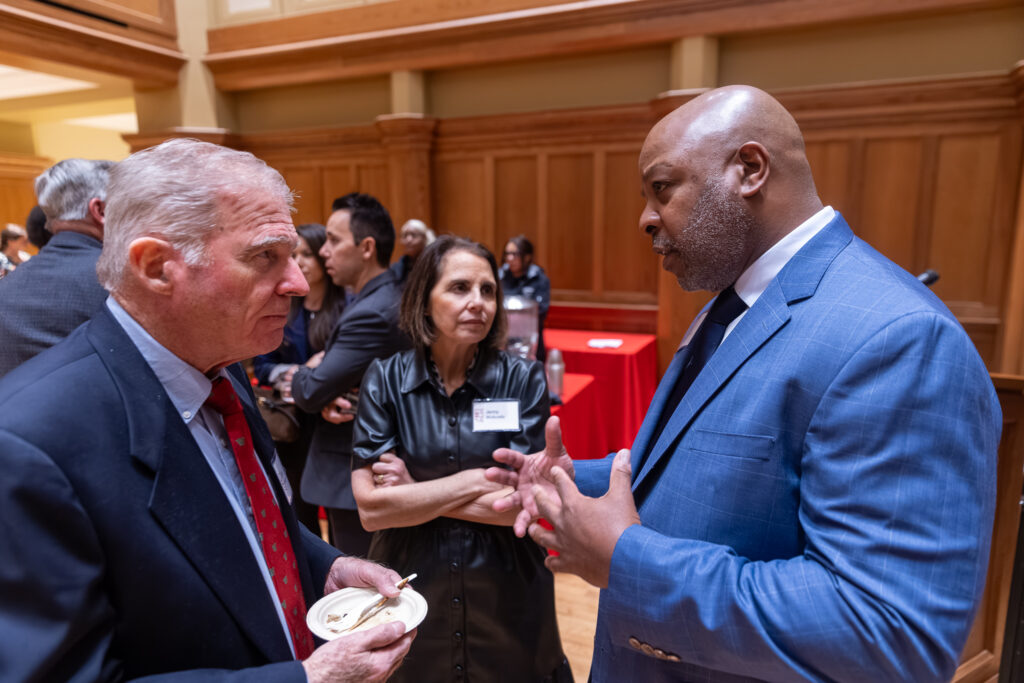
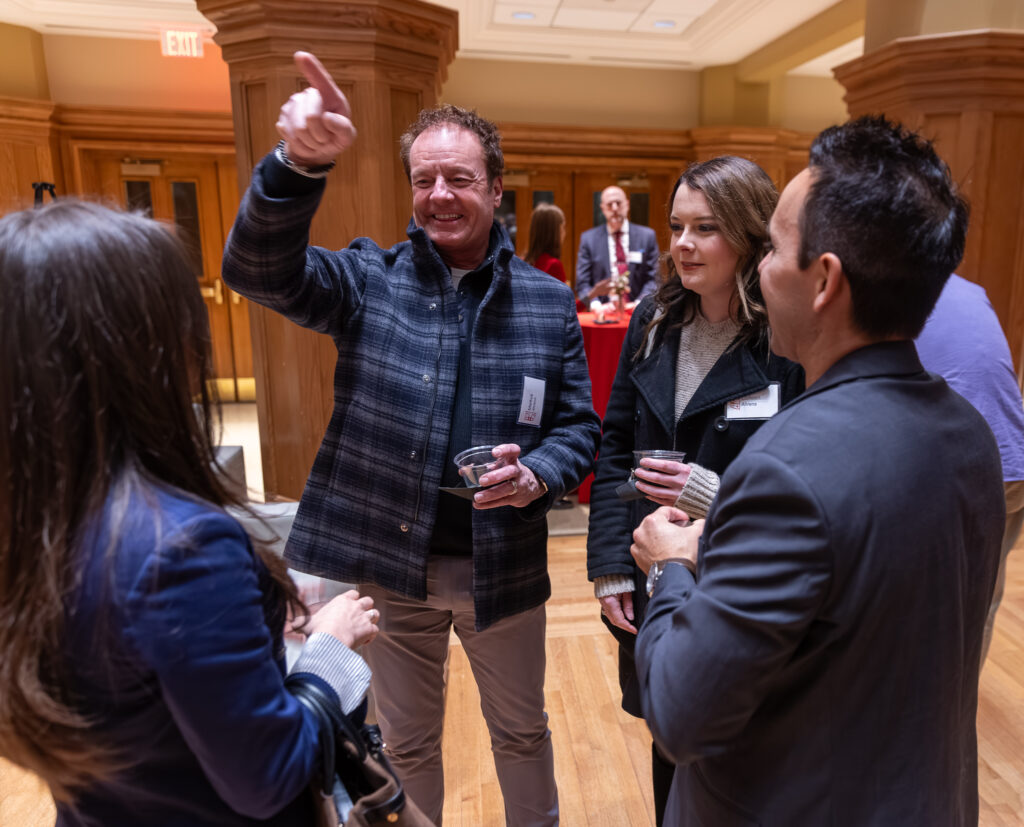
For Sam’s friends in attendance, the evening was a jarring juxtaposition. In the reception that followed, they shared stories of simpler times, talking about hockey and the shared memories of St. Louis.
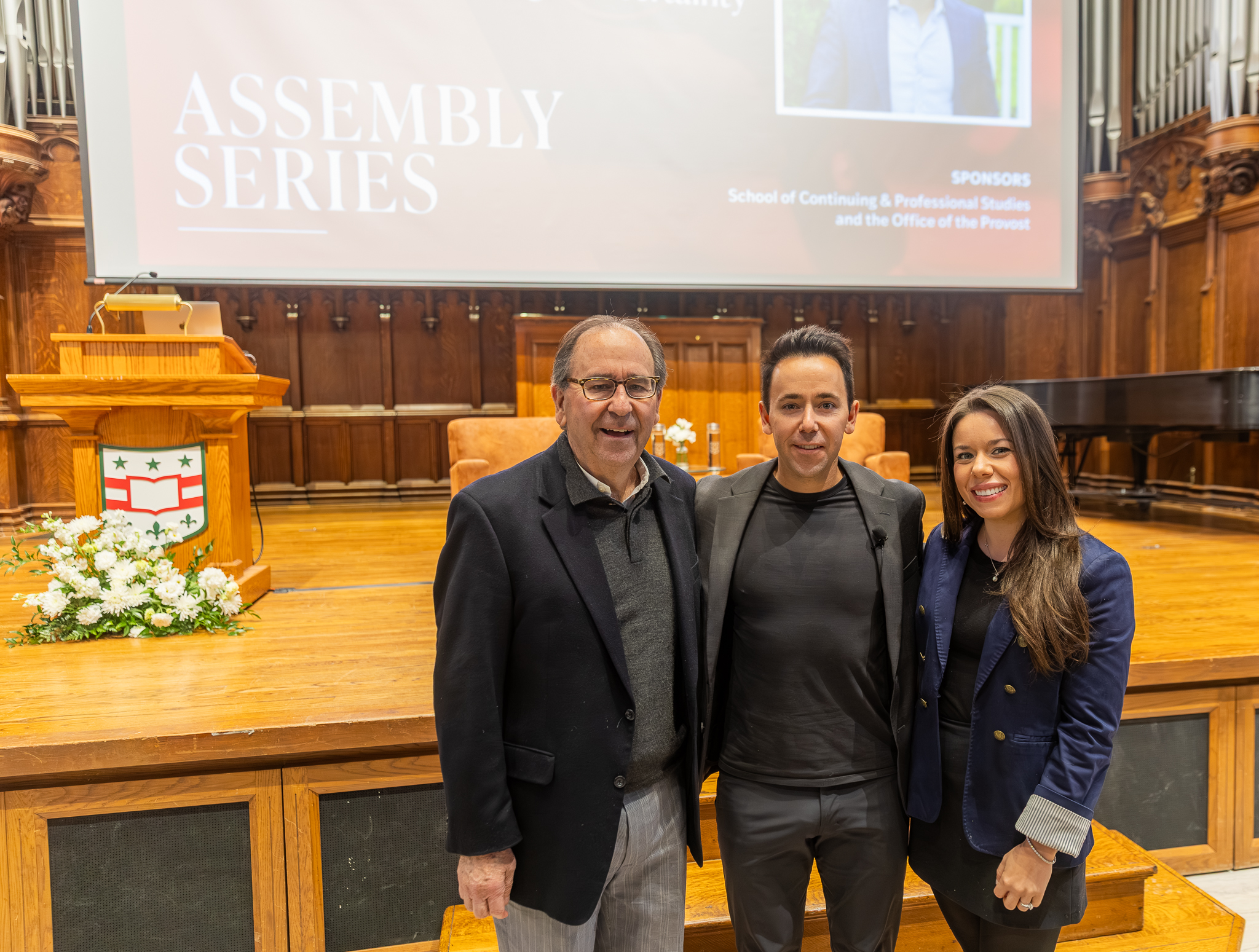
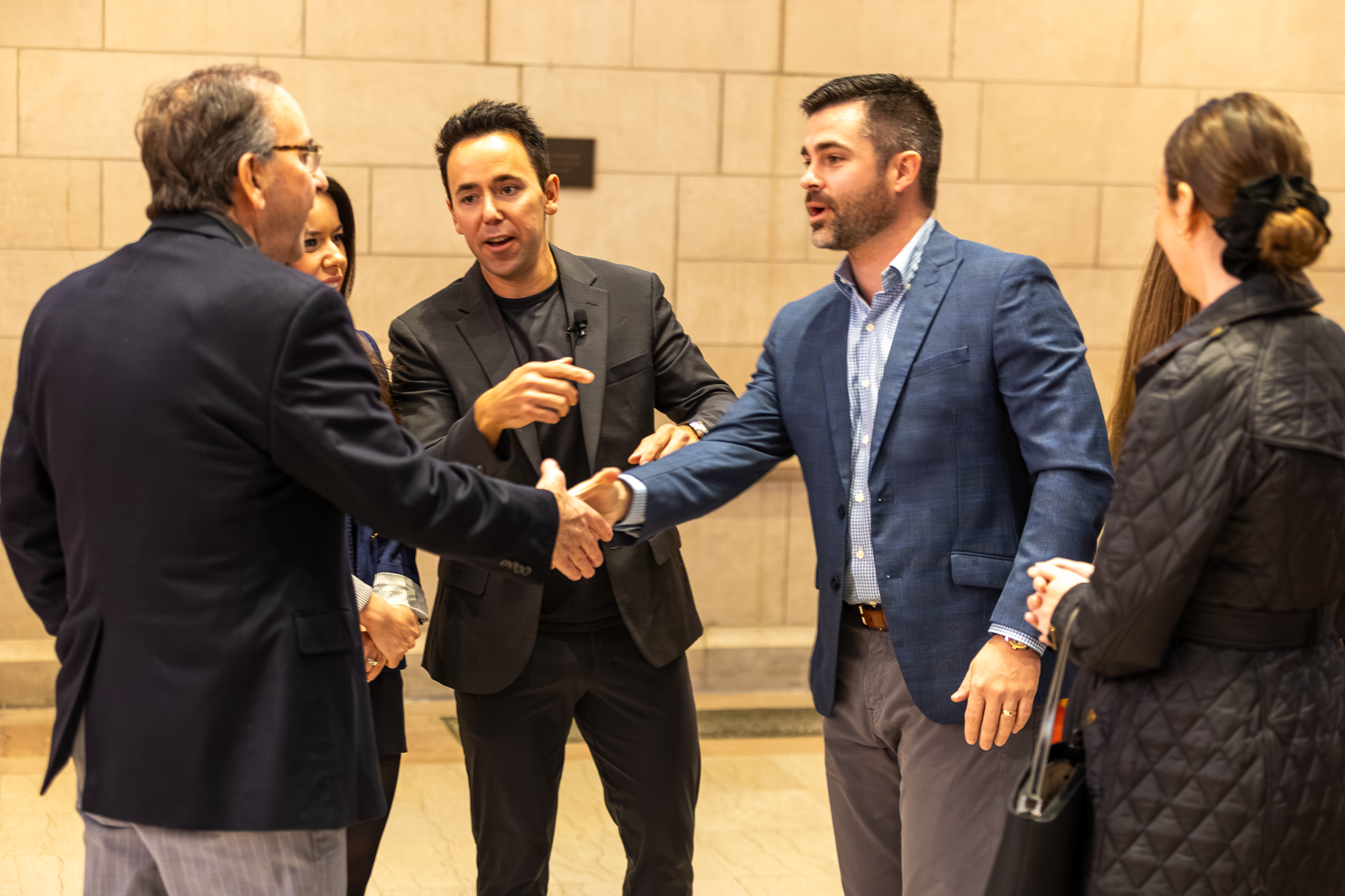
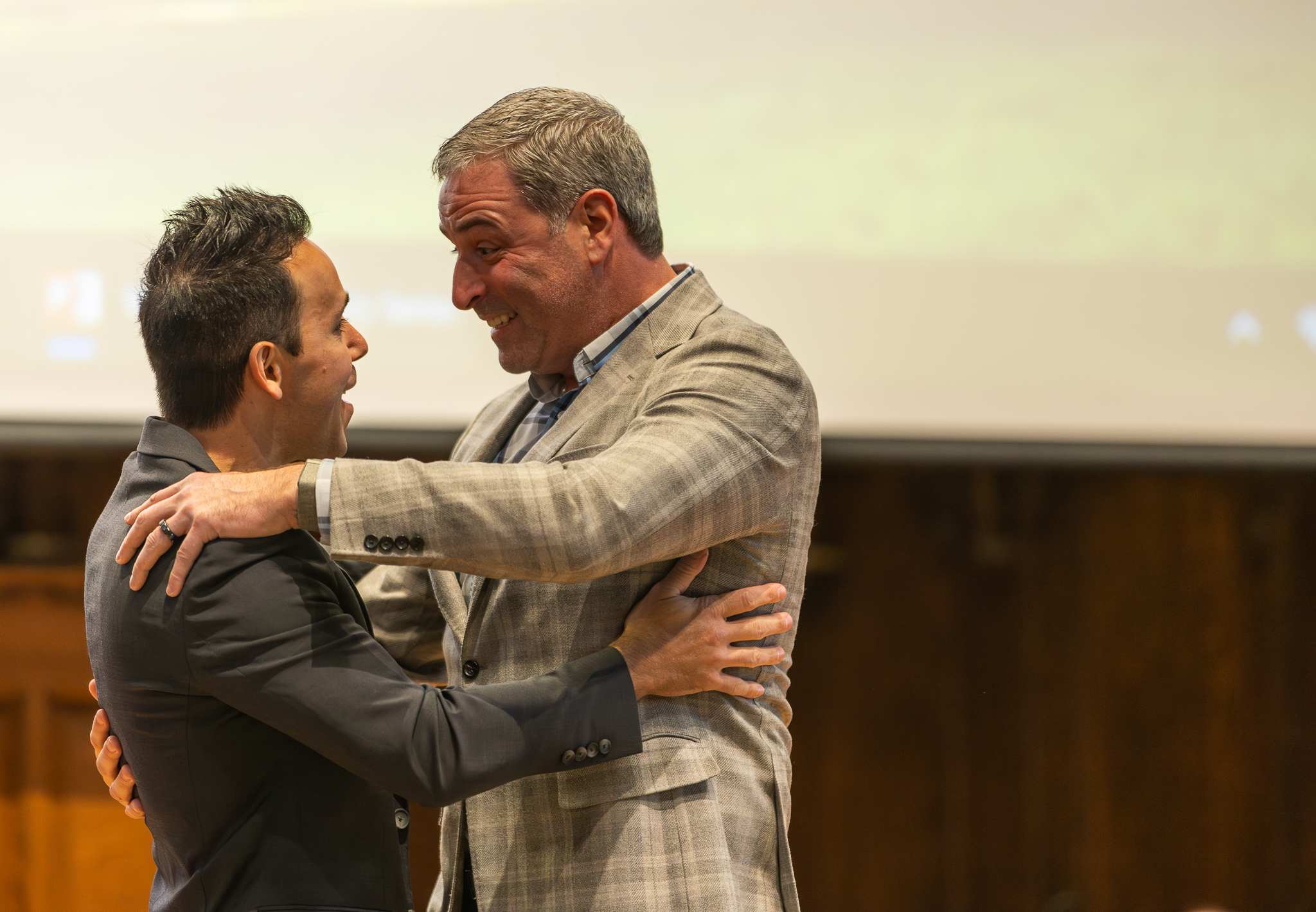
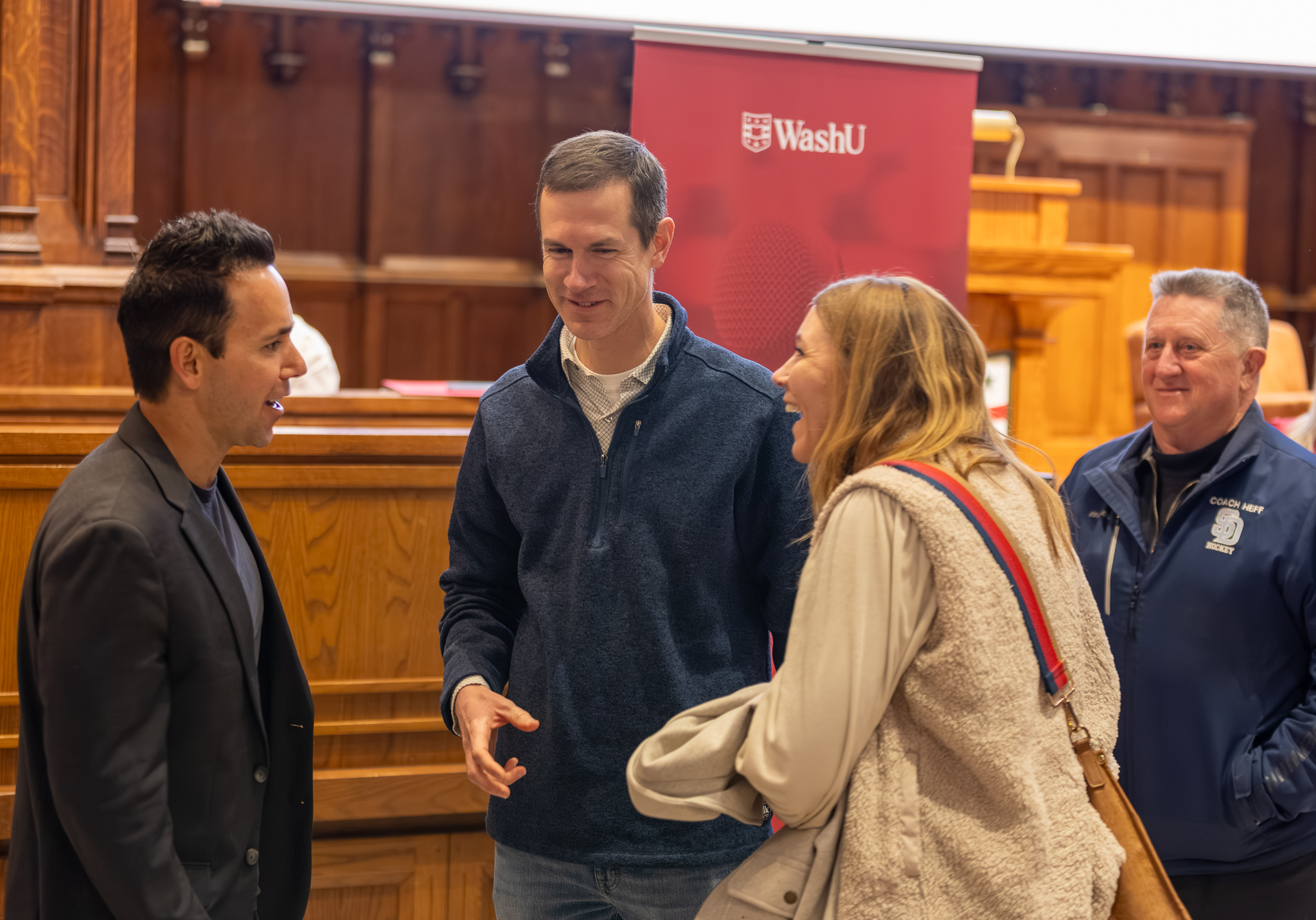
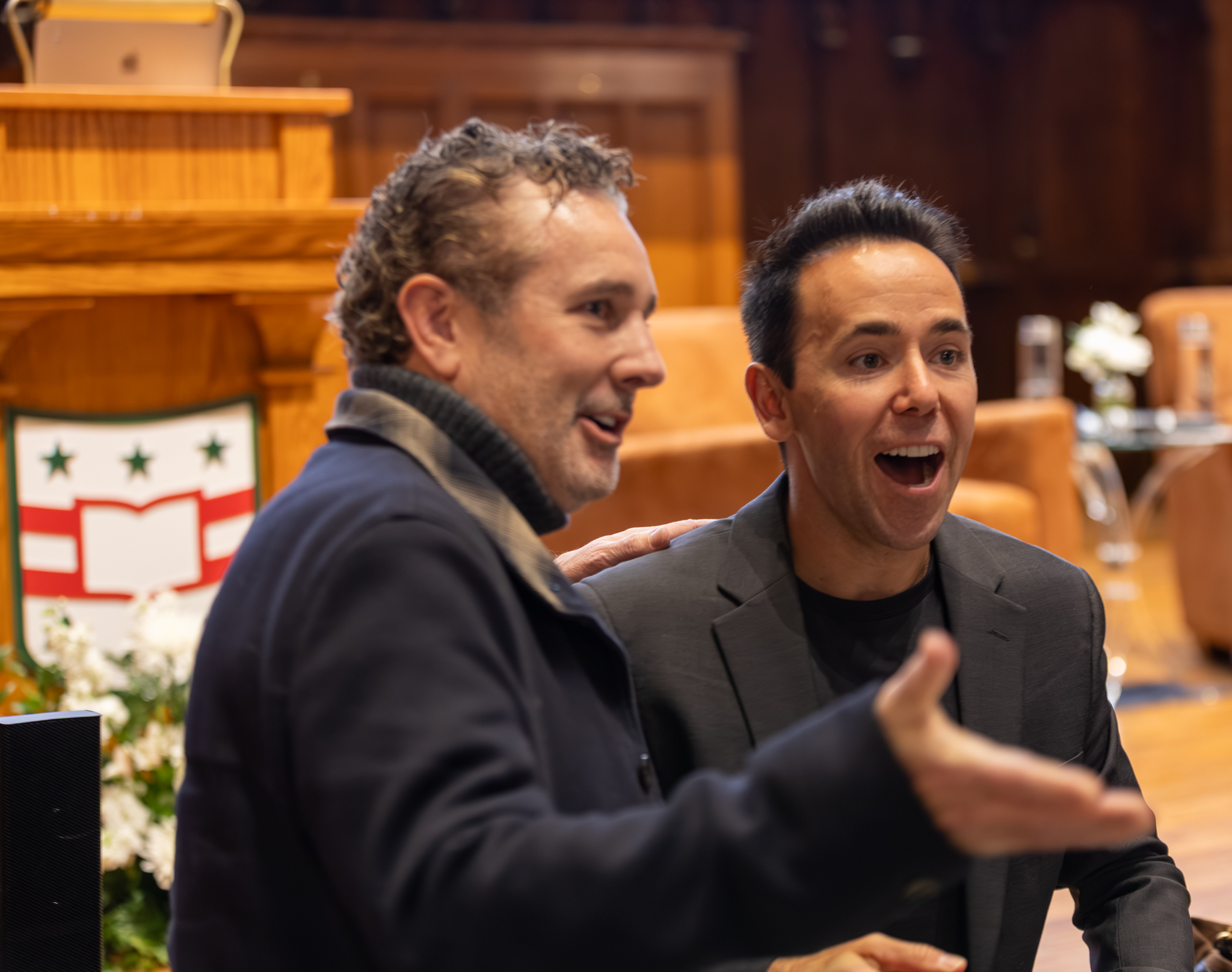
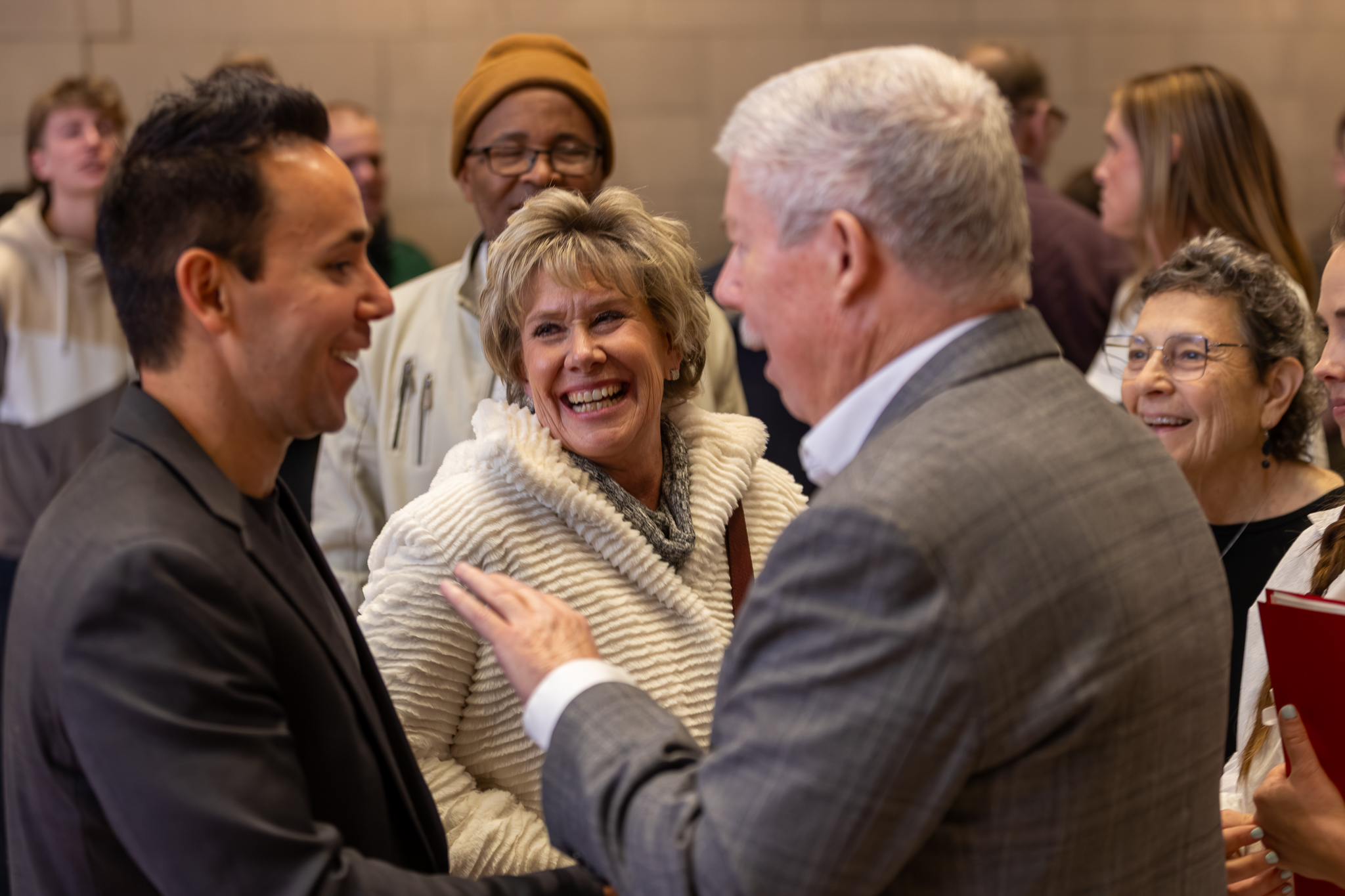
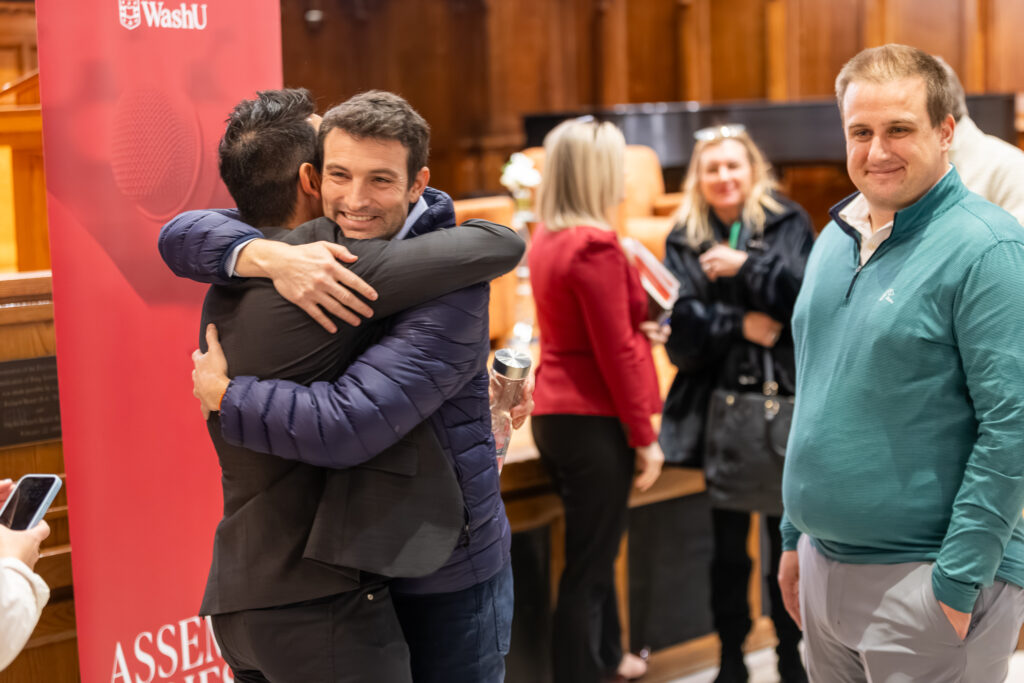
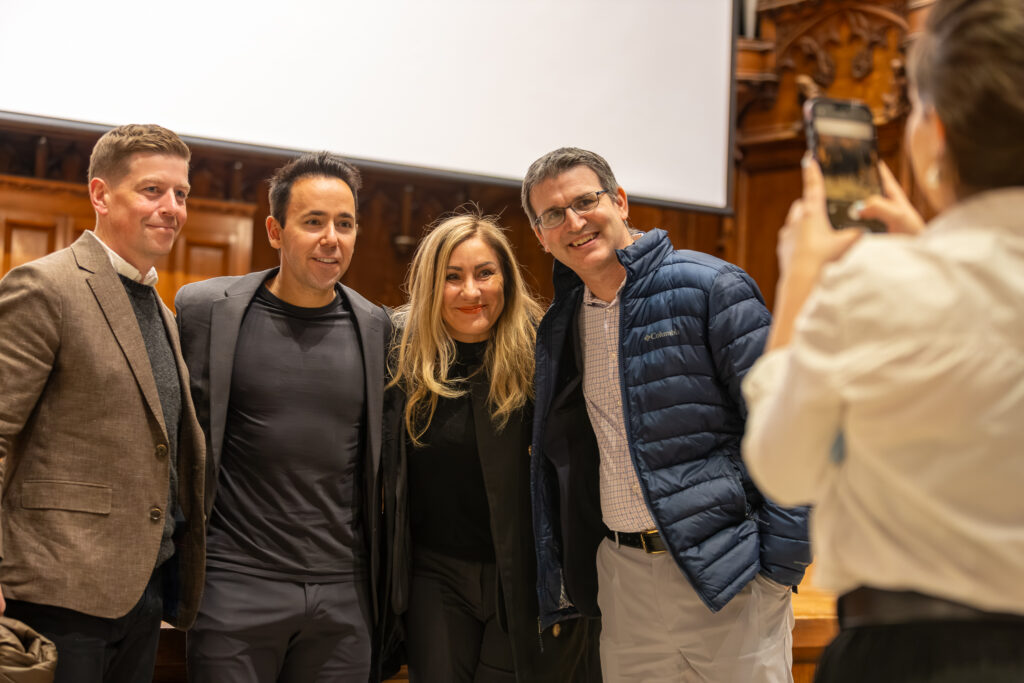
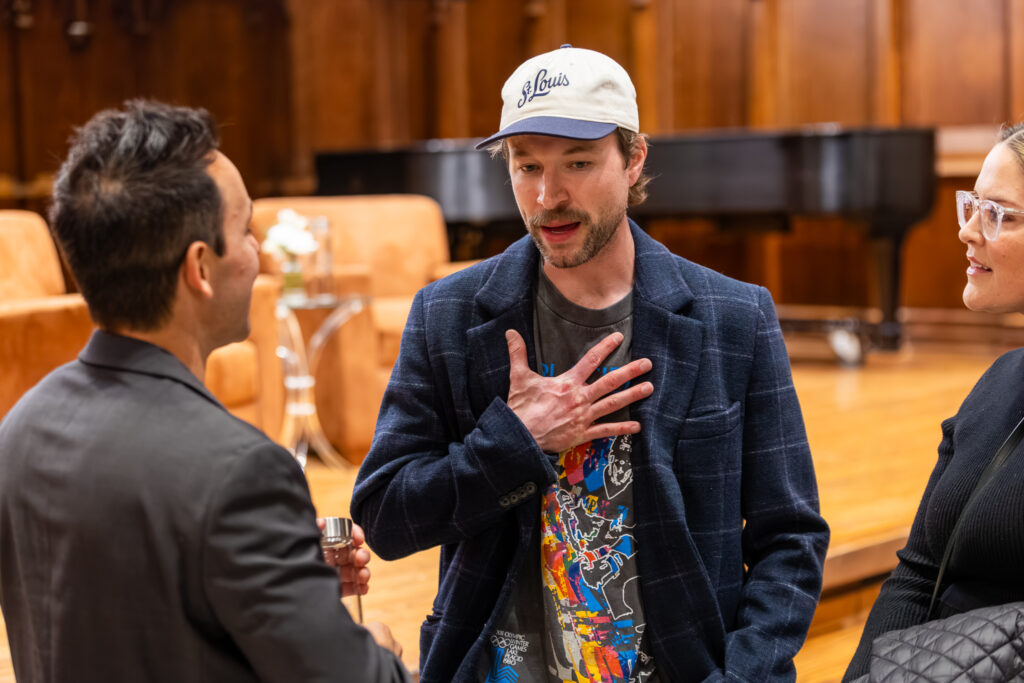
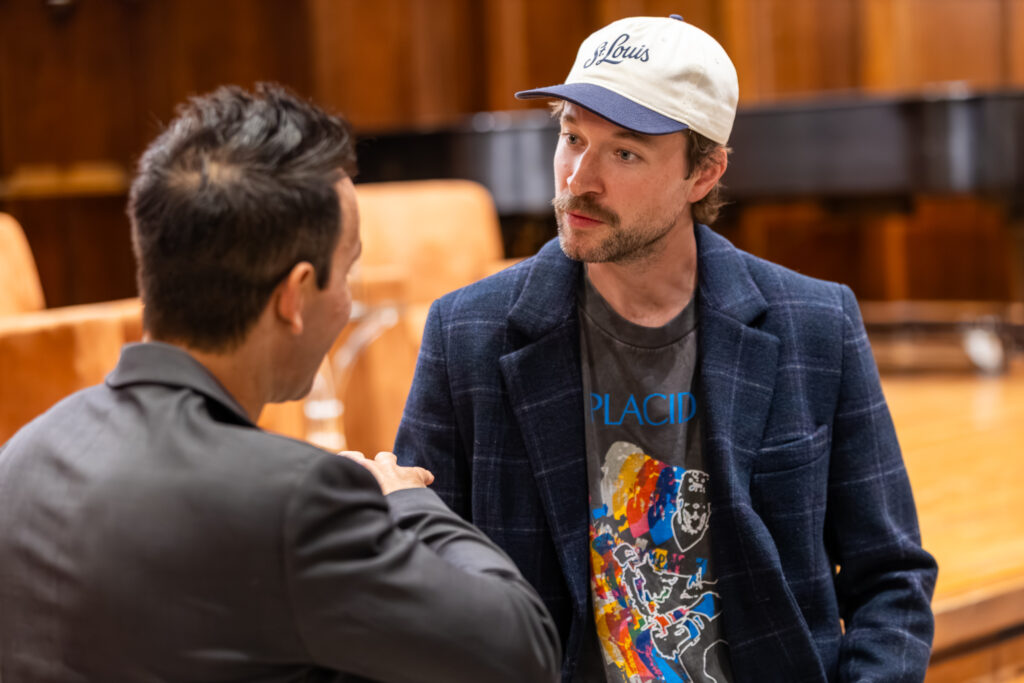
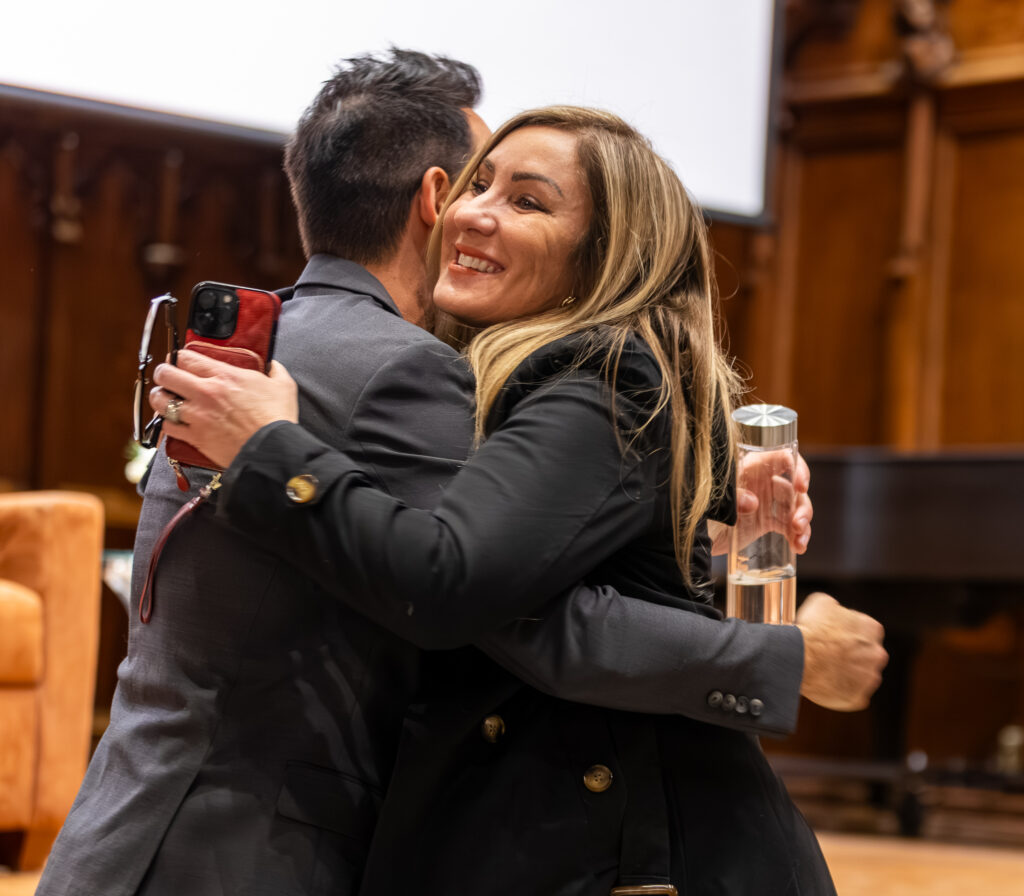
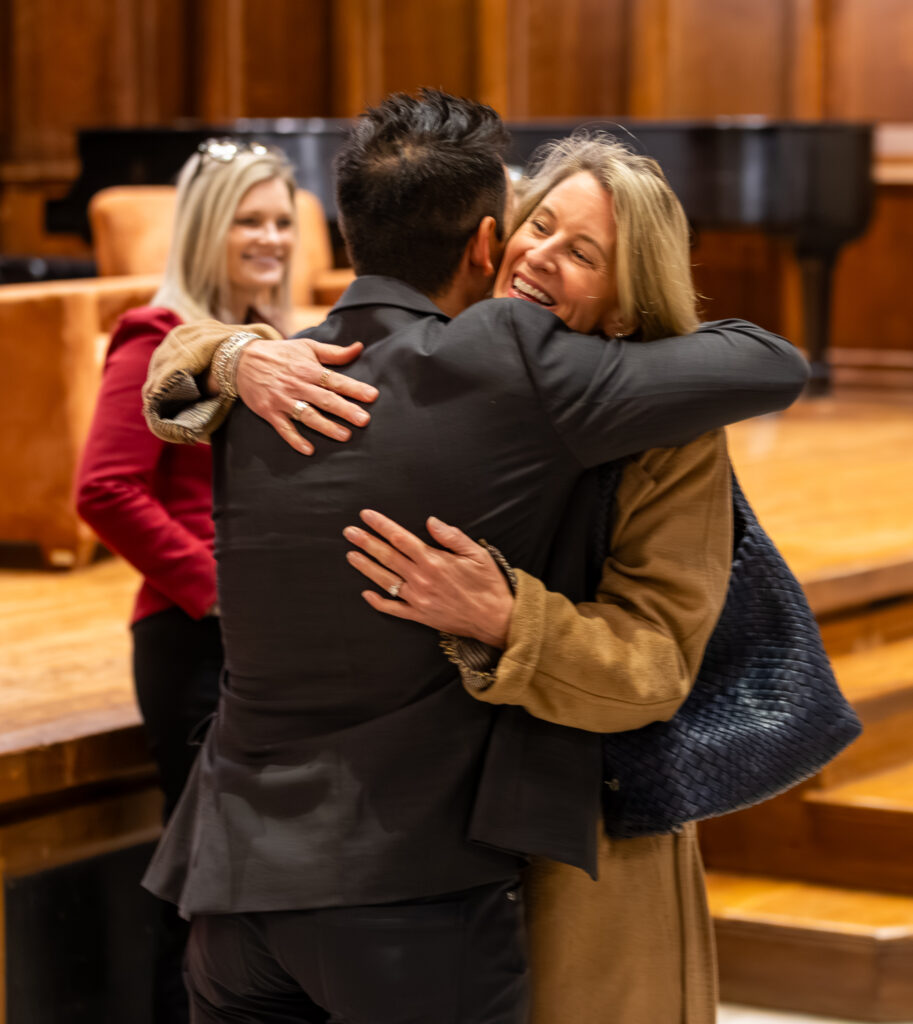
It was a grounding contrast: seeing the friend they played sports with now standing as a global symbol of resilience, his voice echoing through a chapel that felt both like home and a world away from the cell he once inhabited.
A Global Connection
The evening’s heavy themes were balanced by the humility Sam showed earlier in the day during a luncheon with McDonnell International Scholars. As students from Africa, Israel, Taiwan, Iraq, India and more shared their own aspirations, Sam paused during his chat to acknowledge the brilliance in the room, stating simply that every scholar there was smarter than he was.
Reflecting on that connection and the evening’s crowd, Sam noted:
“WashU taught me to connect ideas across disciplines, and it was powerful to see that same spirit alive and thriving.”
The Full Circle
The road from a cell in Syria to the doctoral program Sam completed was built on the foundation provided by the WashU School of Continuing & Professional Studies (CAPS).
After returning to the U.S., Sam sought to frame his experiences through an academic lens, earning his Master’s in International Affairs through CAPS’ online program.
“Sam’s journey is a powerful reminder that we all can overcome adversity by leaning into gratitude, our personal abilities, and recognizing opportunities,” said Dean Sean Armstrong.
“When he returned from captivity, Sam brought an incredible depth of experience that needed a framework. We were honored to provide the flexibility and support Sam needed to earn his Master’s in International Affairs online. Seeing him return to CAPS to teach others is a full-circle moment that proves the resilience of the human spirit and exemplifies the journey of the modern learner.”
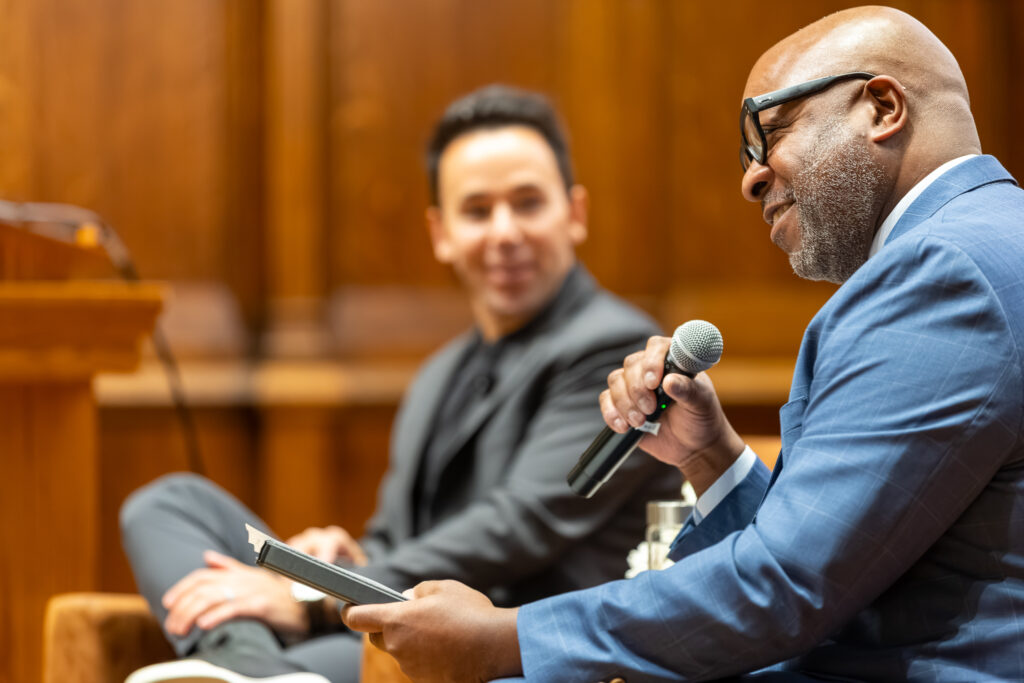
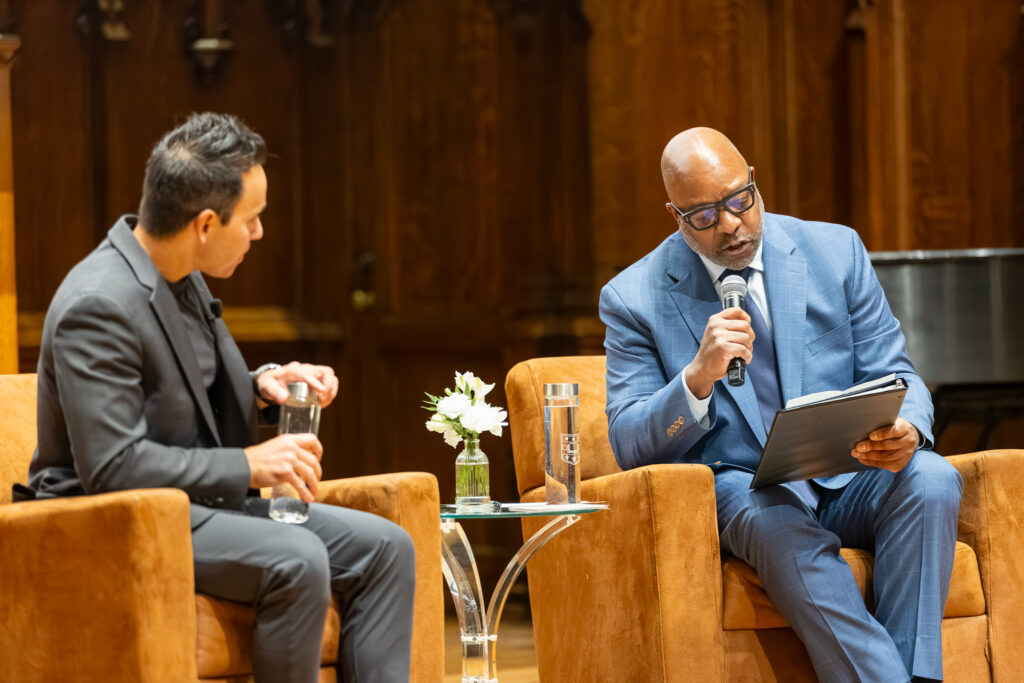
Sam echoed this sentiment with his own gratitude:
“Coming back to WashU reminded me how deeply this place shaped the way I think,” he said. It fostered curiosity, rigor and a habit of always asking better questions. Returning as an alum felt full circle. WashU does not just prepare us for a career, it prepares us to contribute.”
A Community Moved Forward
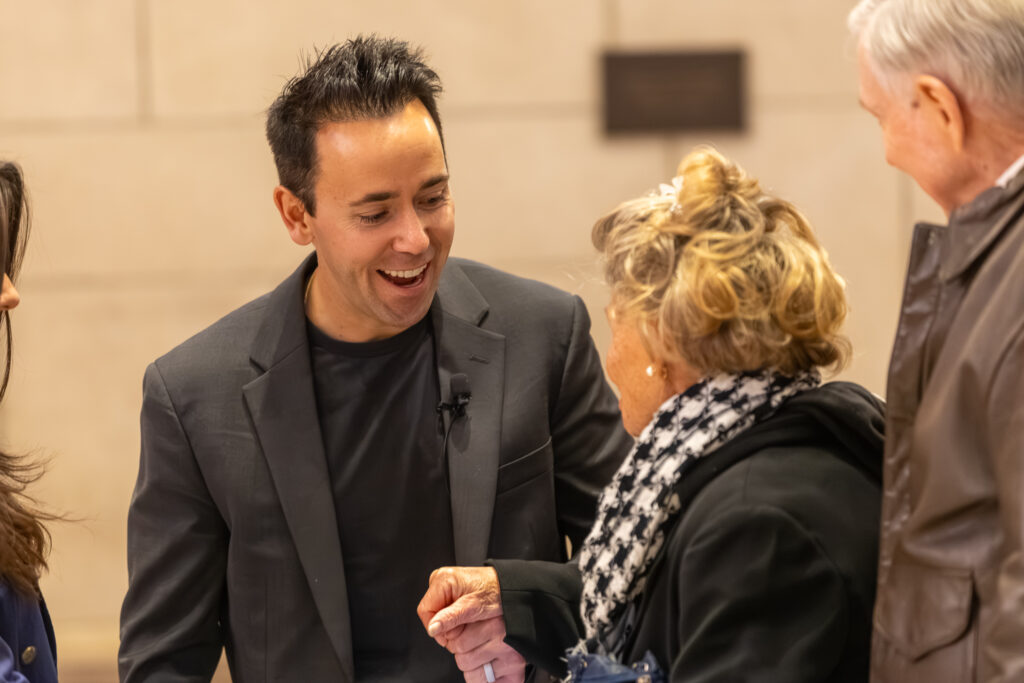
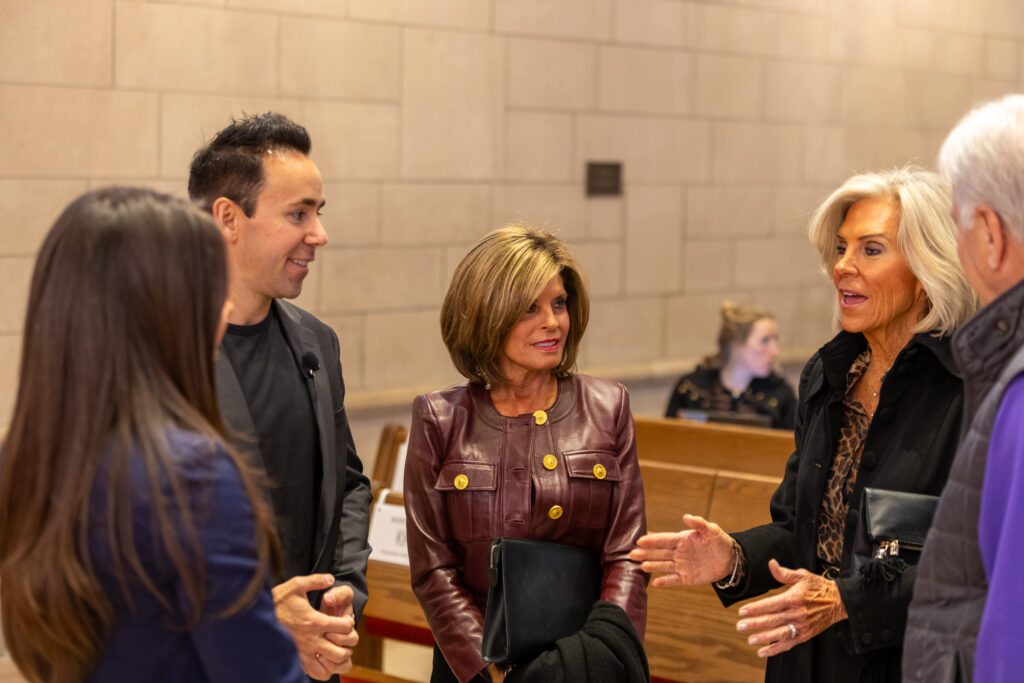
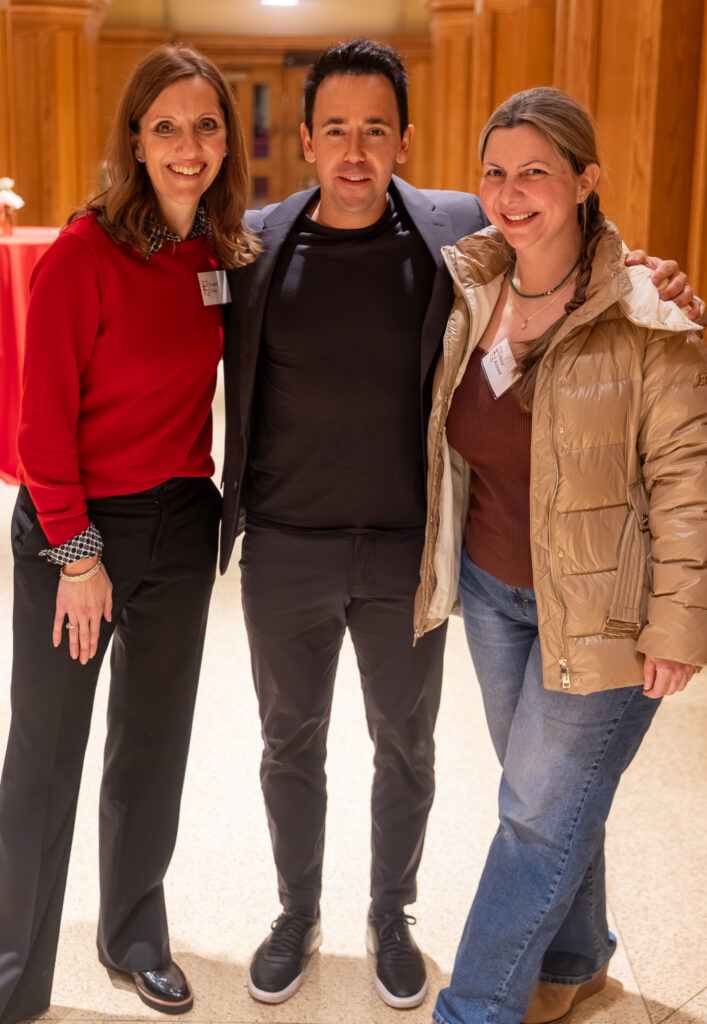
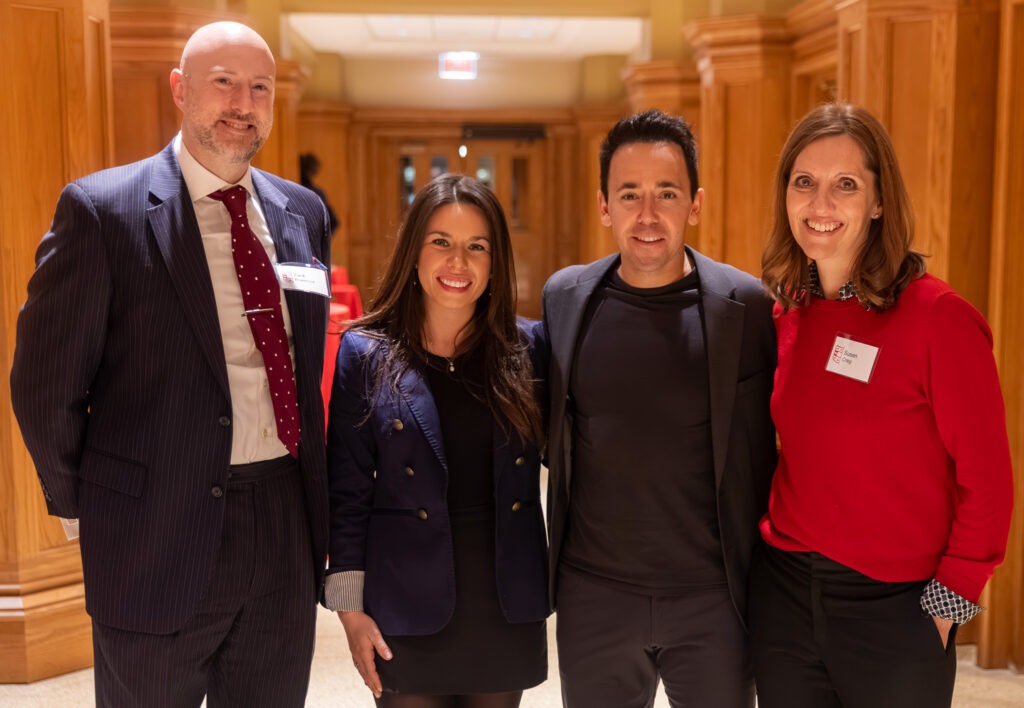
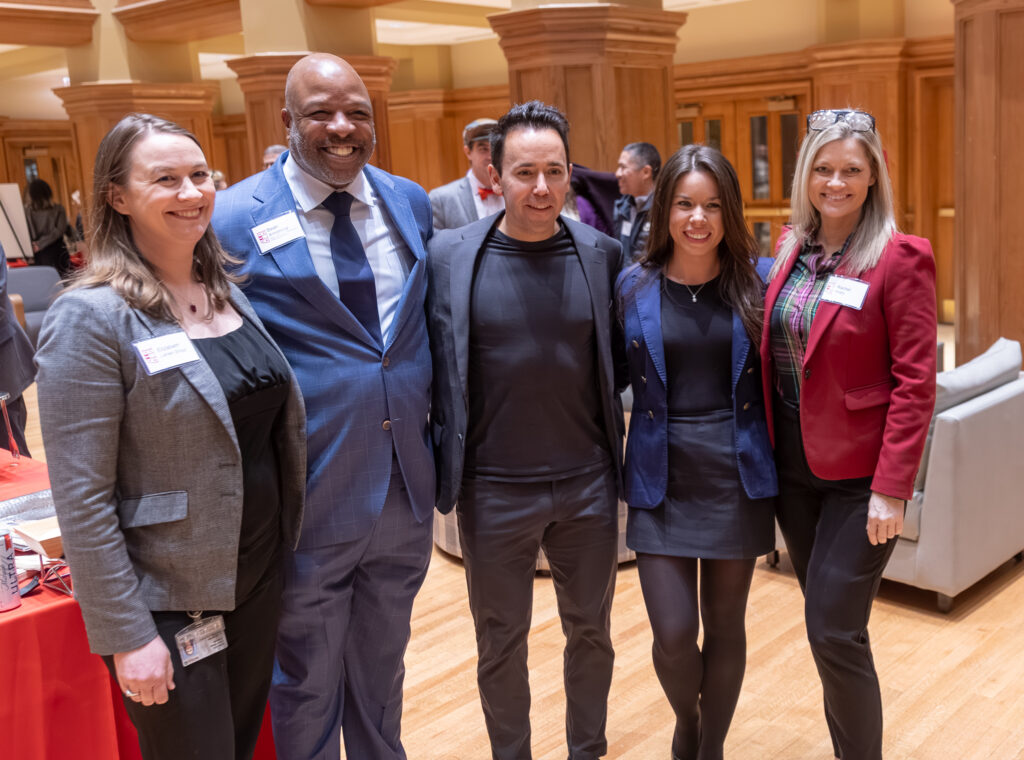
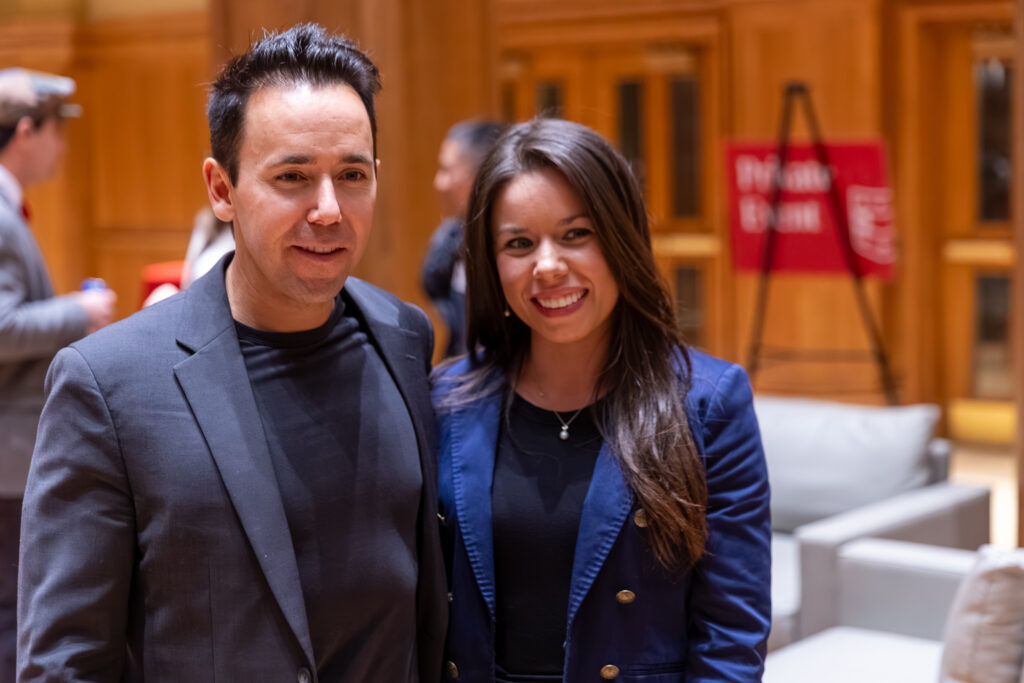
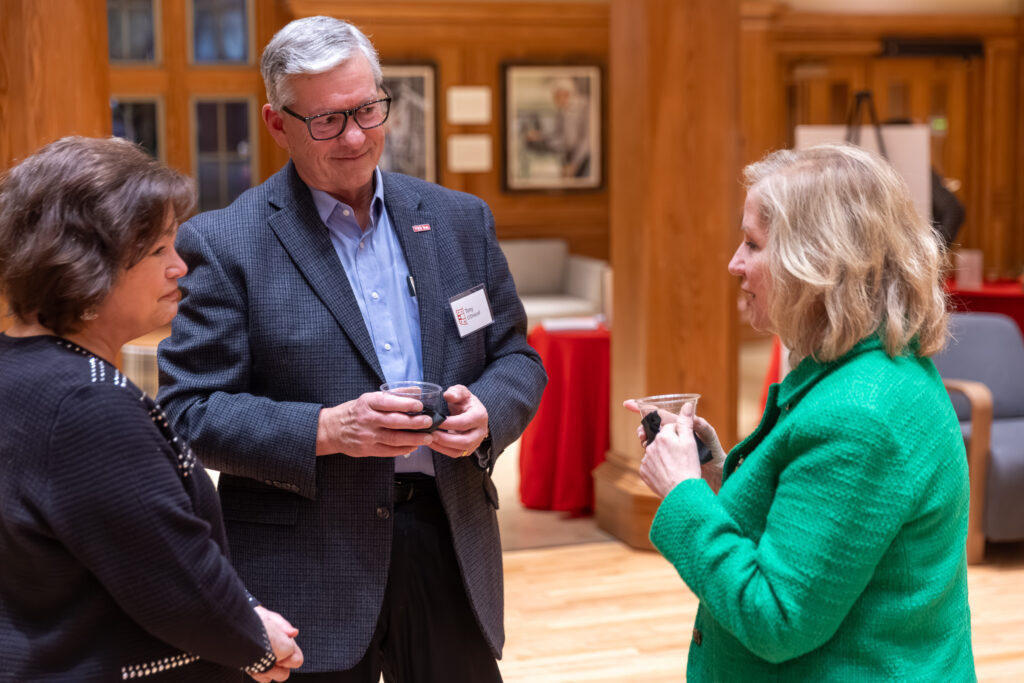
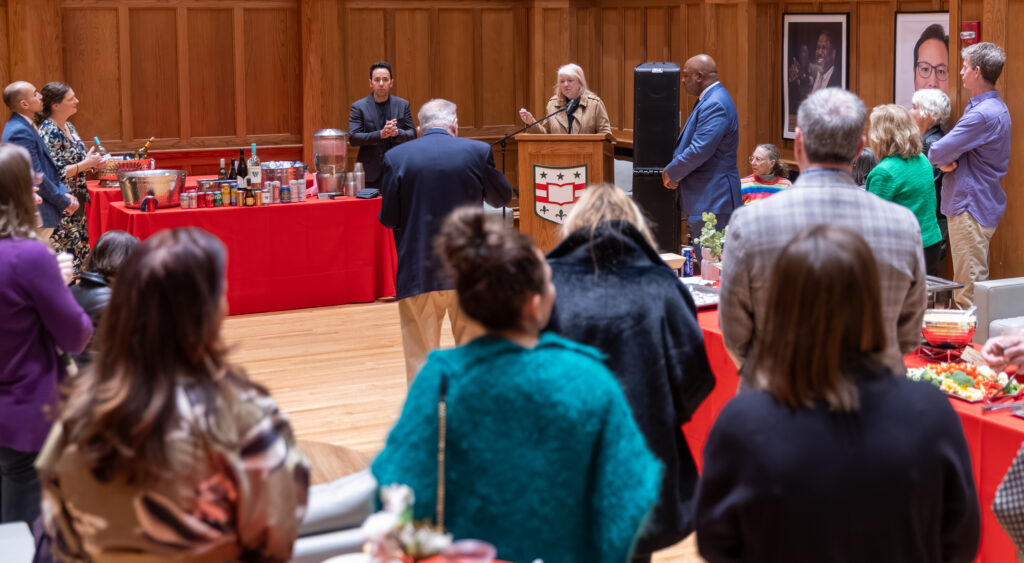
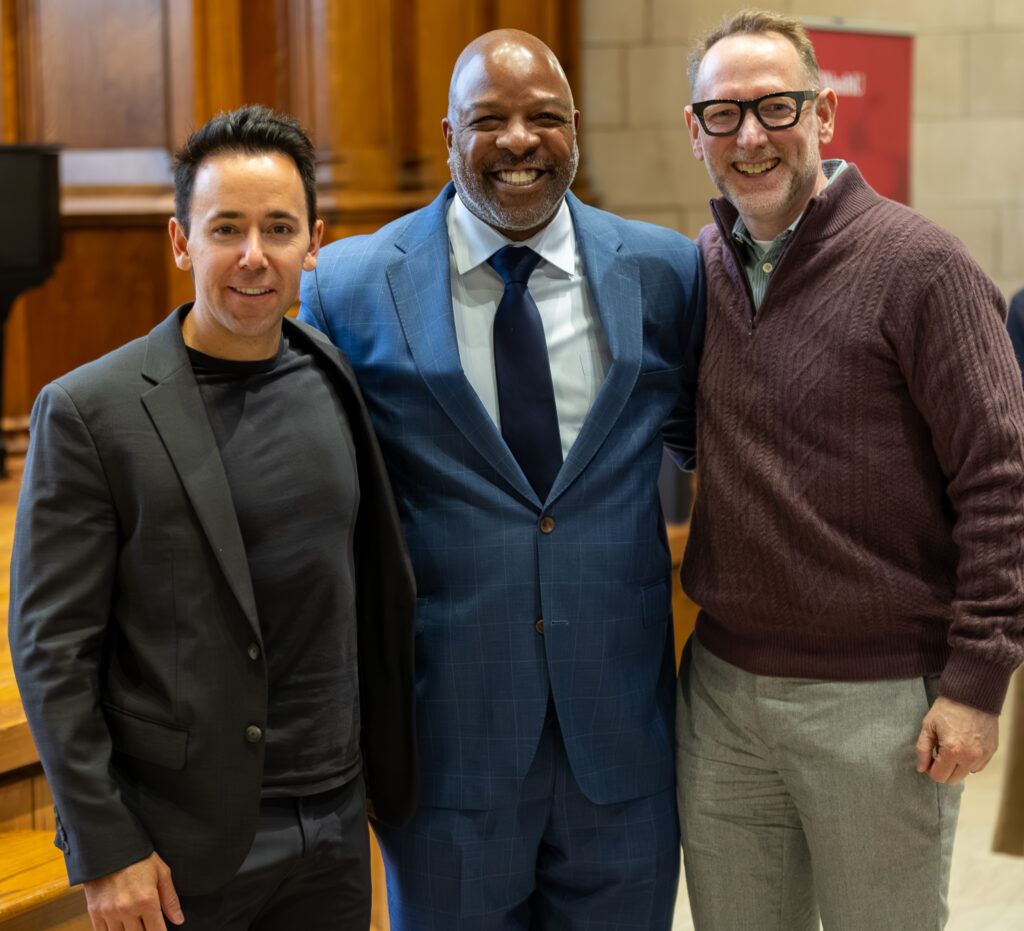
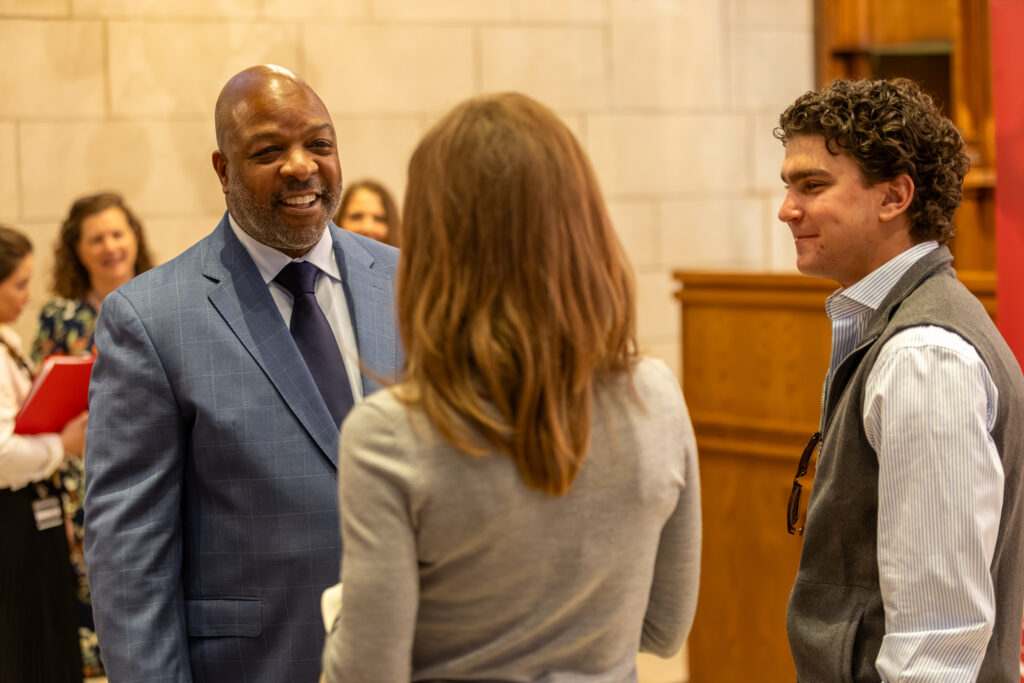
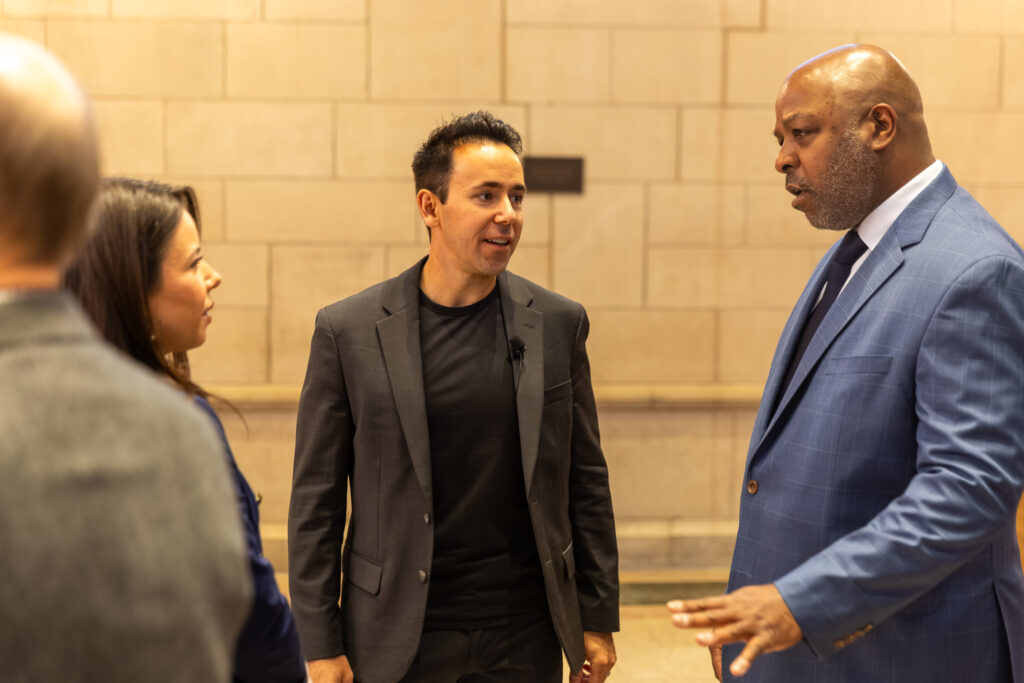
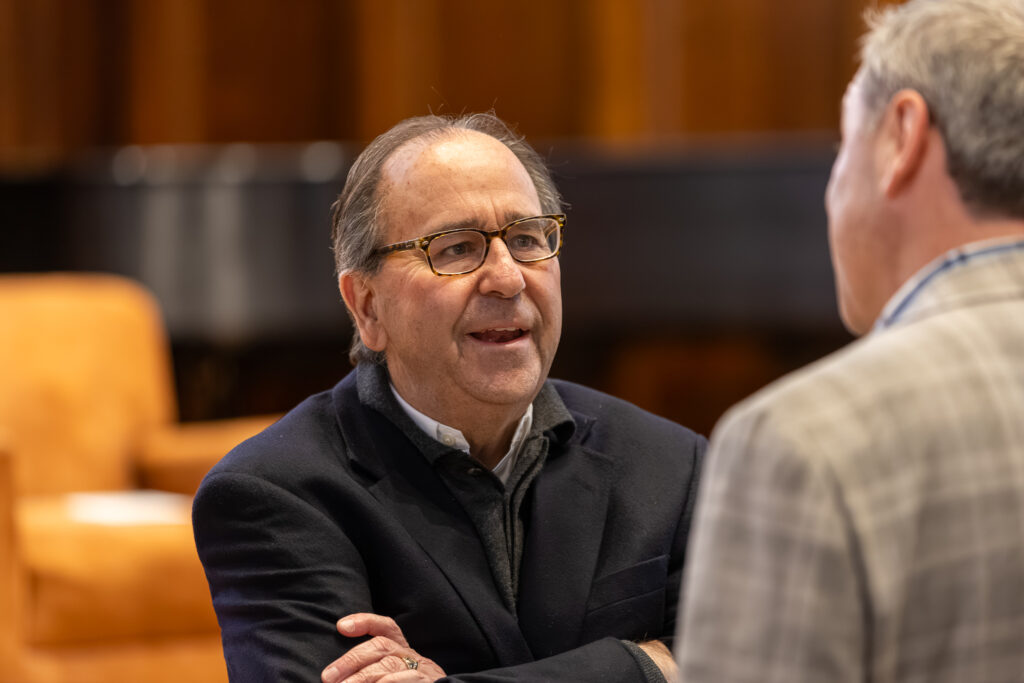
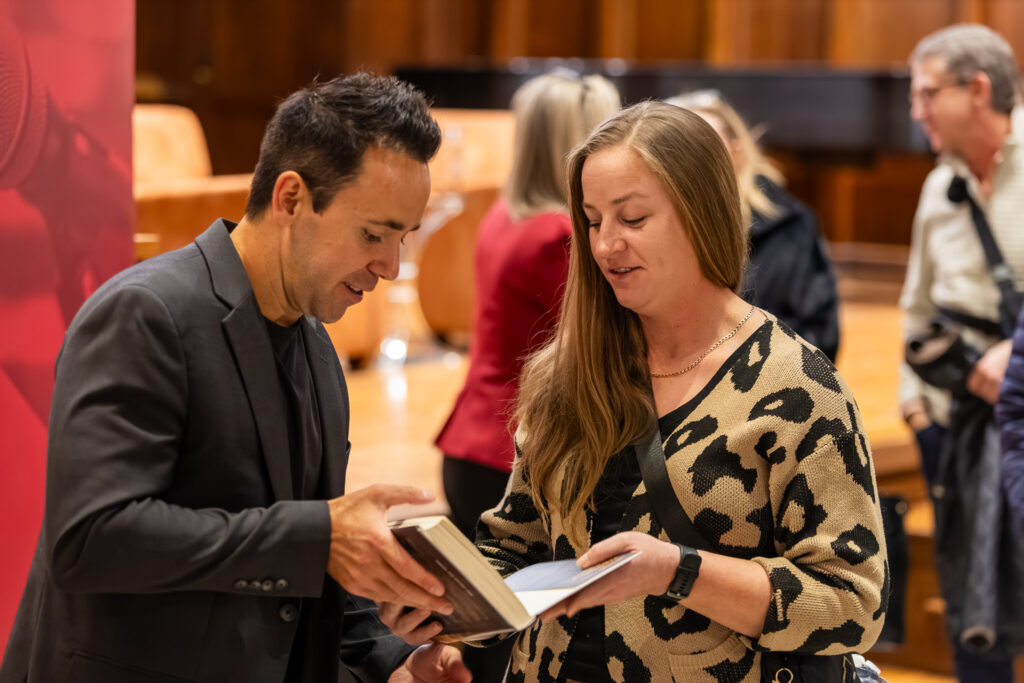
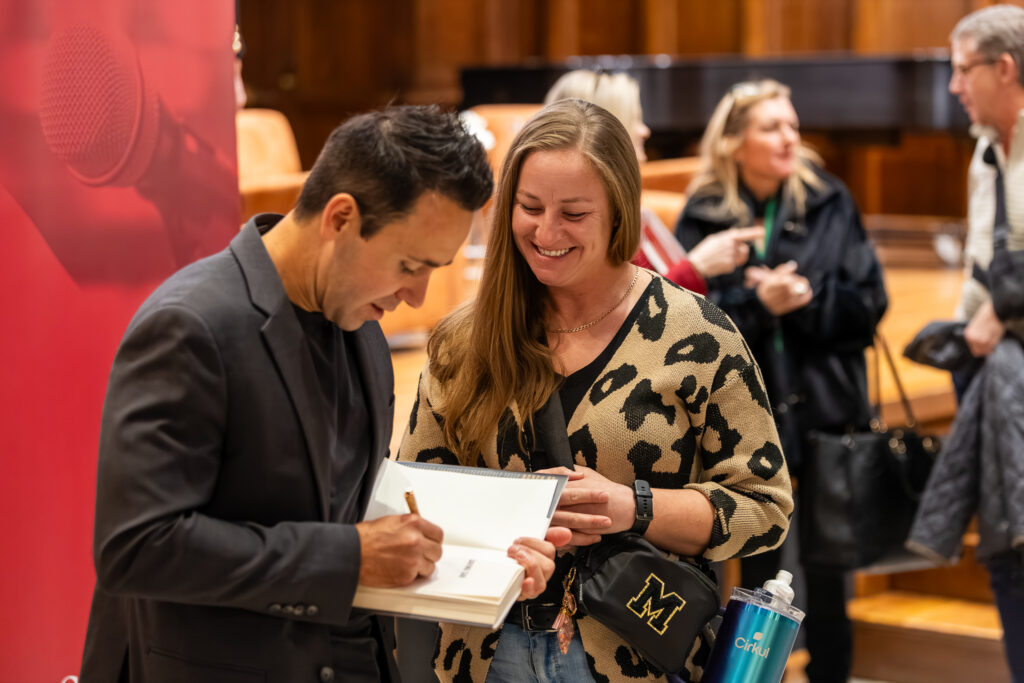
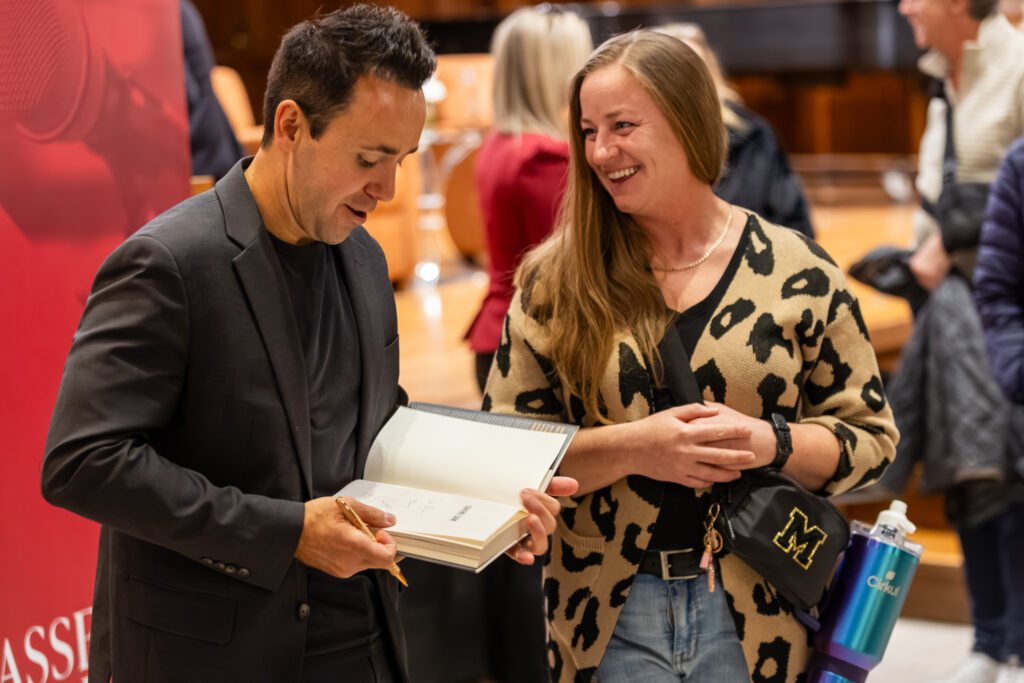
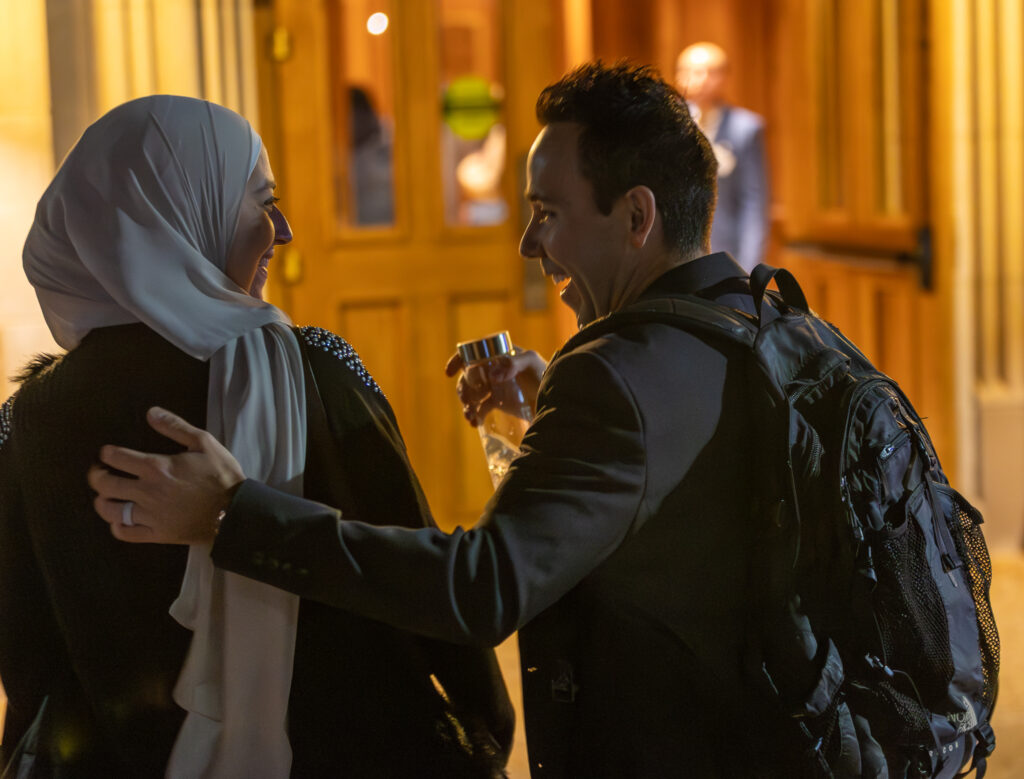
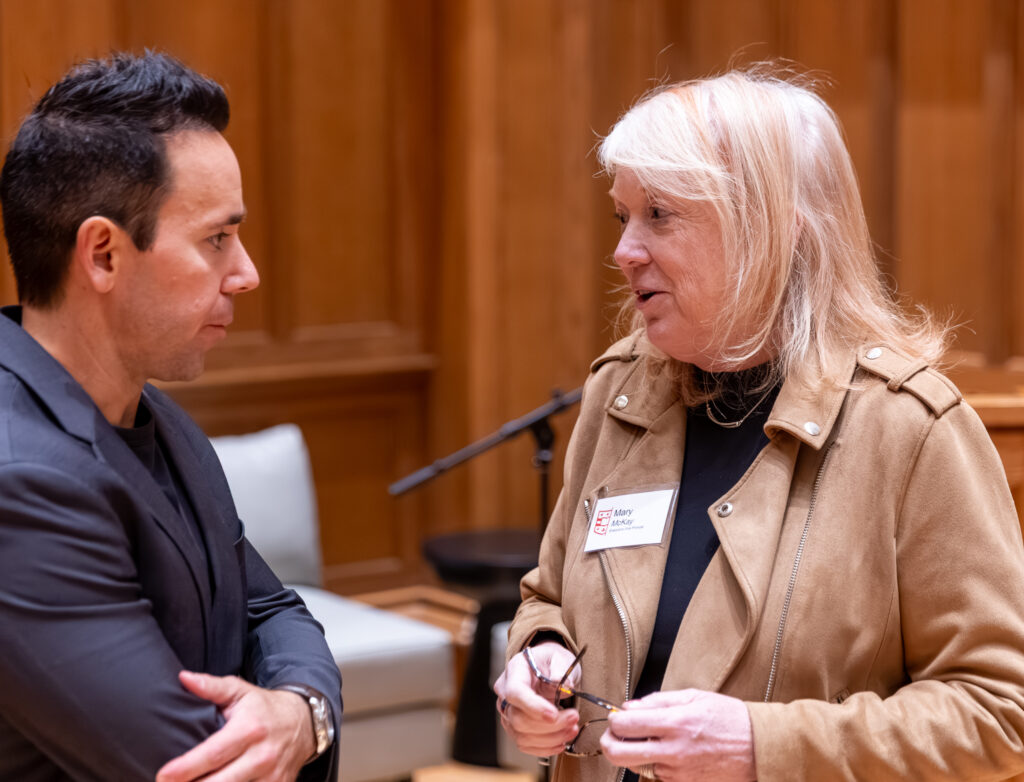
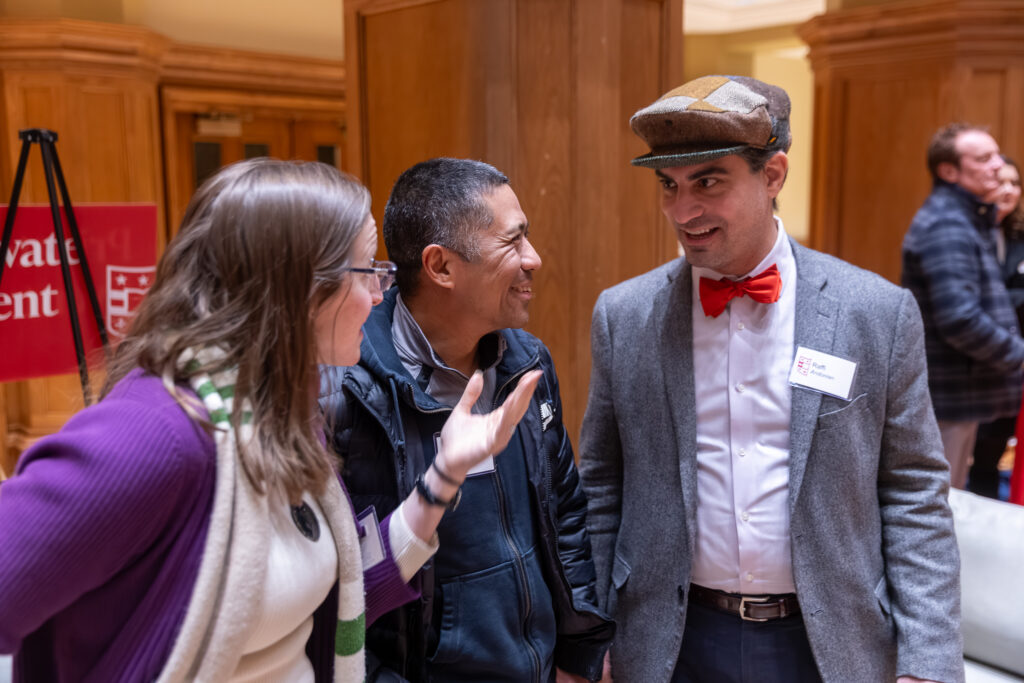
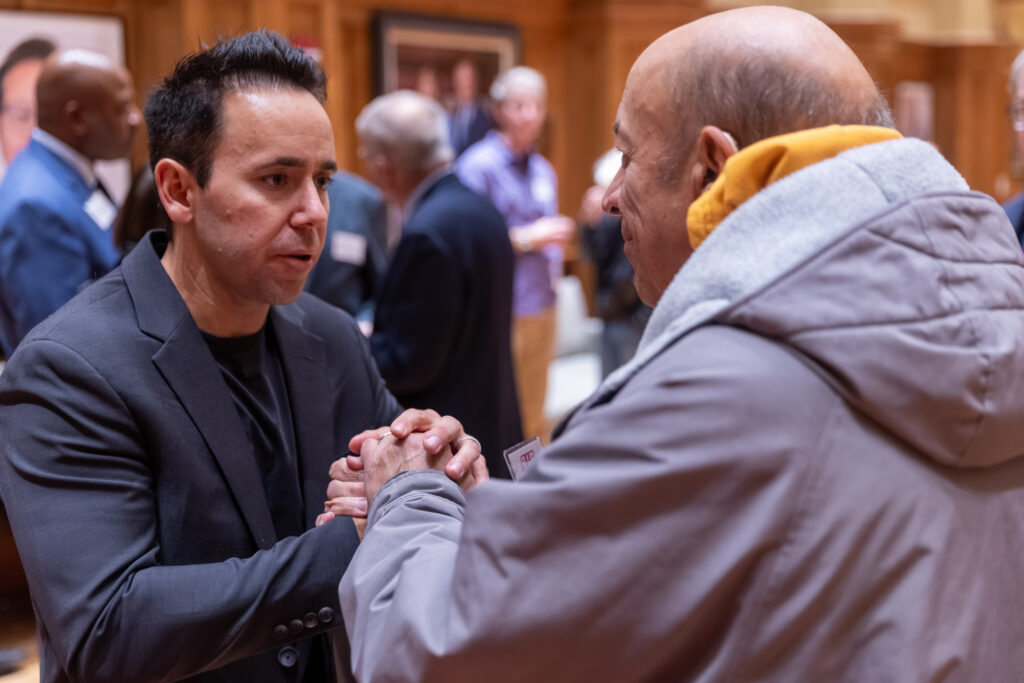
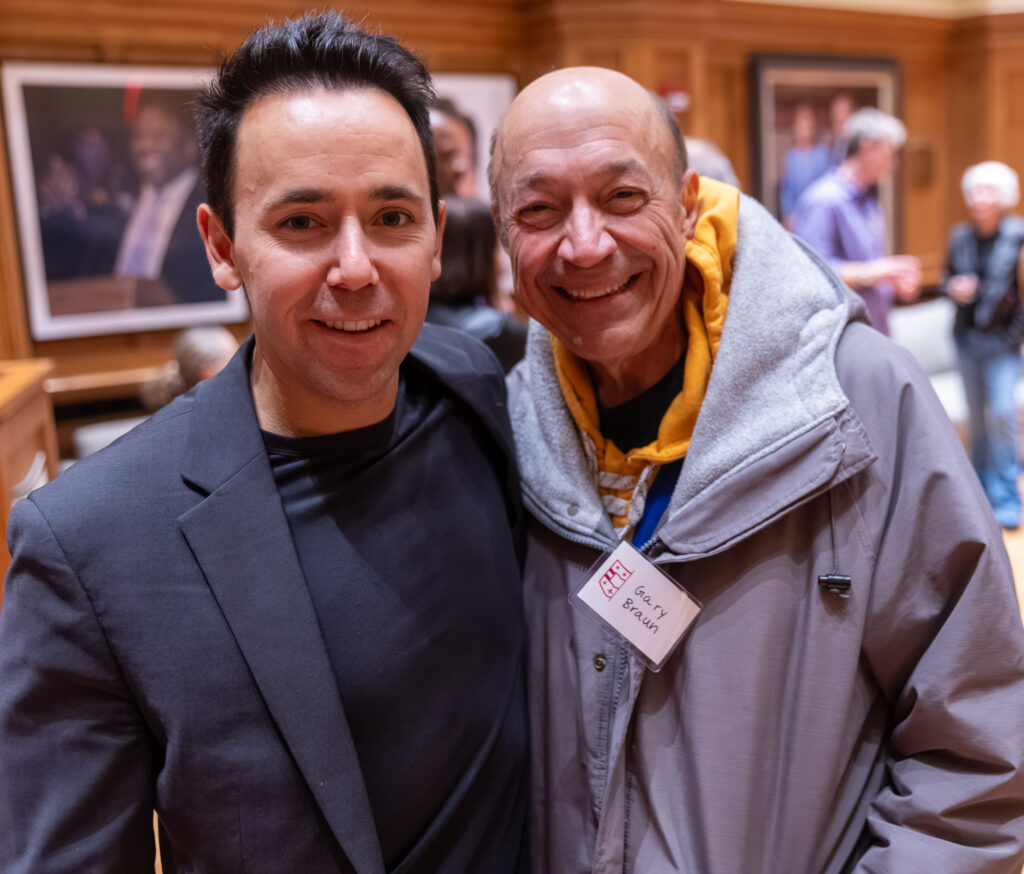
As the evening concluded, the chapel’s quiet intensity gave way to conversation. Attendees lingered to speak with Sam, sharing stories that crossed cultures, faiths and geography.
What emerged was not a single narrative of resilience, but a collective recognition that learning, reflection and connection can transform experience into purpose.
Sam’s return to WashU did not offer simple answers. Instead, it modeled how education—especially when made accessible and flexible—can help individuals move forward and grow with clarity, humility and resolve.
An Invitation to Connect
As the Assembly Series concluded, the chill of the chapel gave way to the warmth of a community moved to action.
A line stretched down the aisle as attendees waited to speak with Sam, a prelude to the deeper conversations that followed at the reception. Among them, a Syrian woman shared stories of her homeland, and a family who lost their son to the Assad regime—only months before Sam’s own capture—connected with him through their shared grief. These bonds created a universal language of experience, proving that even the deepest scars can serve as bridges to a common humanity.